Beauty in 2026: Smarter Skincare, Softer Procedures, and Wellness-First Routines
Beauty in 2026 is less about chasing perfection and more about feeling healthy, confident, and authentic. From data-driven skincare to gentle, non-invasive procedures, today’s trends focus on long-term skin health, subtle enhancement, and routines you can actually maintain. This guide gives an overview of current ideas in skincare, non-surgical treatments, makeup, hair, personalization, and wellness-focused beauty. It is for general information only and is not a substitute for professional medical advice, diagnosis, or treatment.
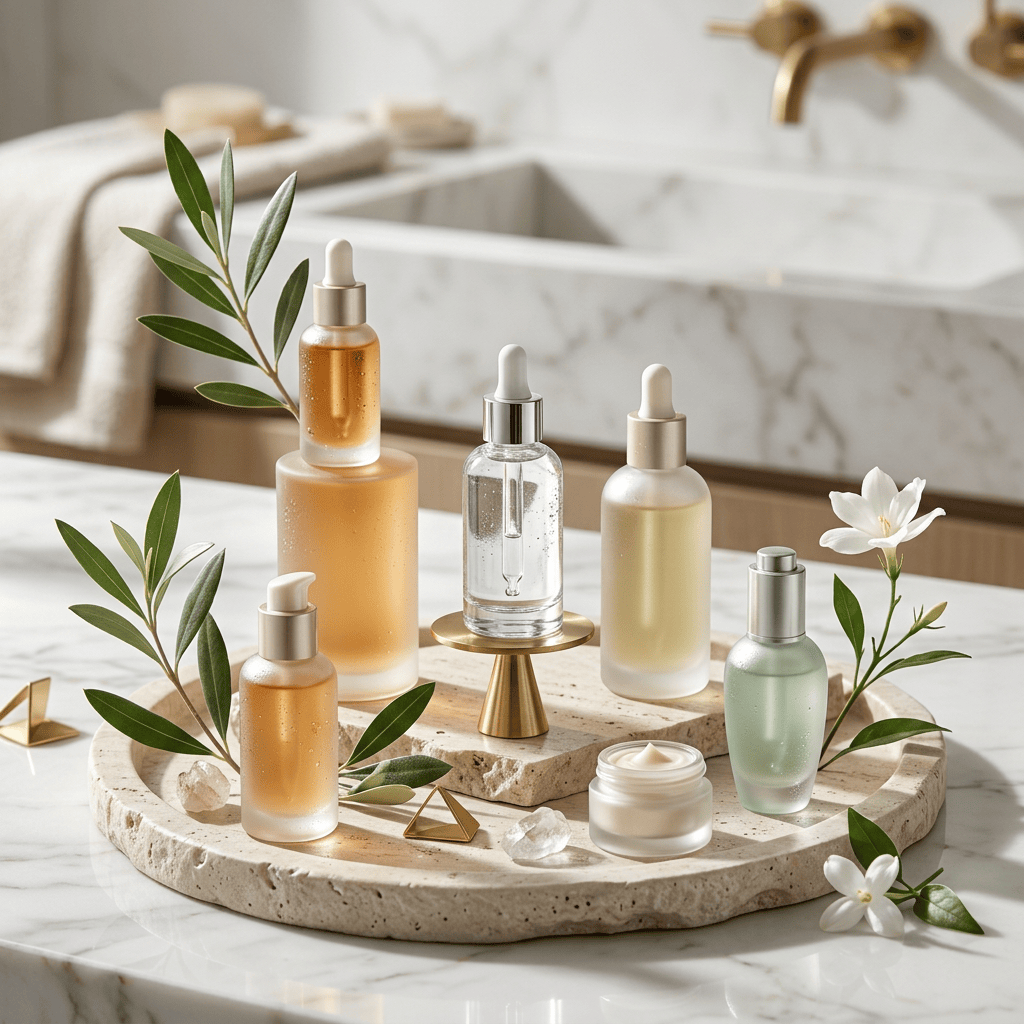
2026 Skincare Routines: Barrier-First, Tech-Supported
Skincare in 2026 has shifted firmly toward protecting the skin barrier and using technology to make smarter choices. Instead of 10-step routines, many people follow simple, consistent steps built around gentle cleansing, hydration, and targeted actives that suit their specific skin type and concerns.
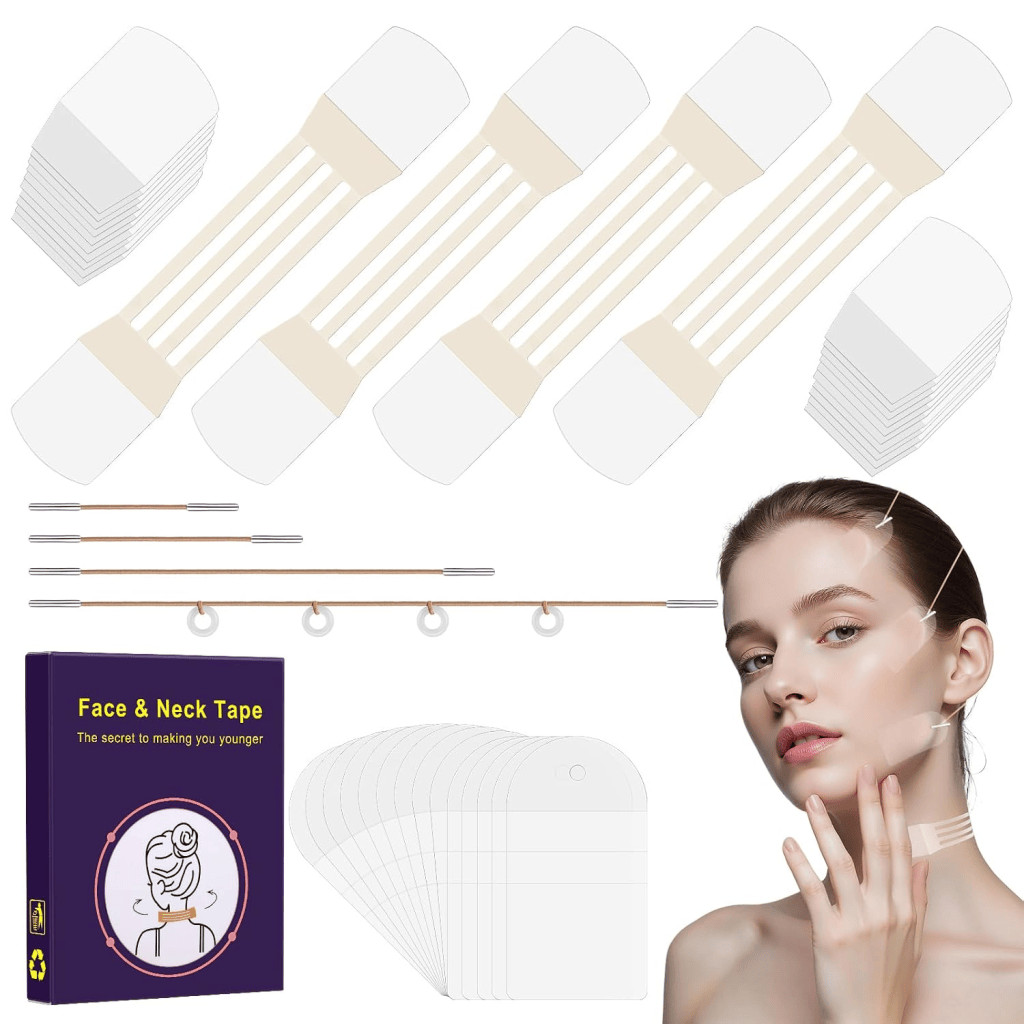
https://amzn.to/4rFp7JX2026 New Invisible Neck Tape for Neck Wrinkles/Saggy Skin/Double Chin/Breathable Waterproof Neck Lift Strips, Neck Firming Sticker for Women Daily…
CORE DAILY ROUTINE: A typical barrier-respecting routine includes:
- Gentle cleanser: Low-foam or cream formulas that avoid stripping natural oils.
- Hydrating layer: Essences, mists, or serums with ingredients like glycerin, hyaluronic acid, and soothing peptides.
- Barrier support: Moisturizers rich in ceramides, cholesterol, and fatty acids to reinforce the protective outer layer.
- Daily SPF: Broad-spectrum sunscreen, often with added antioxidants, is still the most recommended step for long-term skin health and appearance.
The emphasis is on using enough product consistently, not constantly chasing the newest ingredient.
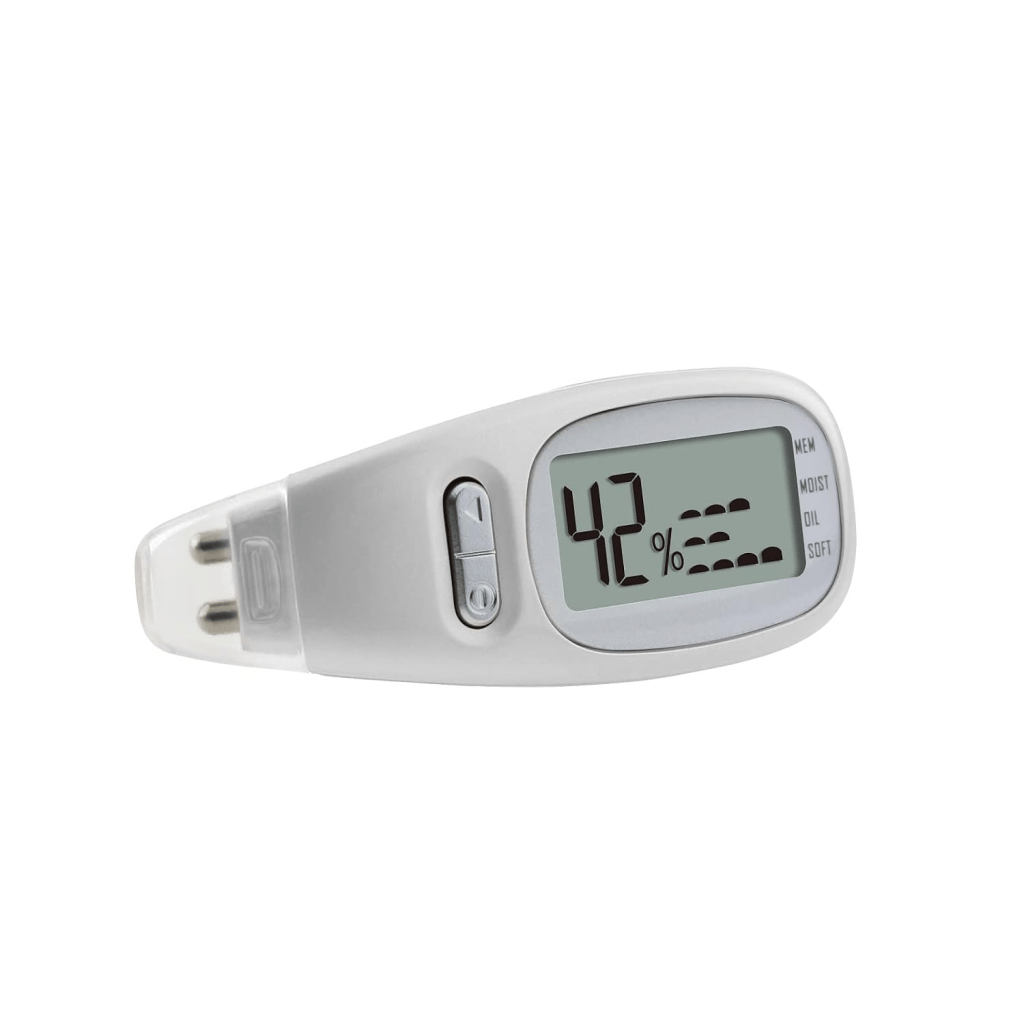
At-home skin scanners, app-connected devices, and virtual consultations are more common in 2026. They can help track moisture levels, pigmentation, and fine lines over time and may suggest product types or routines. These tools can be helpful for guidance, but they do not replace an in-person exam with a licensed dermatologist or qualified skincare professional, especially if you have medical skin conditions.
Practical tips:
- Introduce only one new product at a time so you can see how your skin responds.
- Patch test new formulas on a small area for several days, especially if you have sensitive or reactive skin.
- Use exfoliating acids and strong retinoids cautiously and only as often as your skin tolerates. More is not always better.
- If you notice burning, persistent redness, or worsening breakouts, pause new products and consult a qualified professional.
Non-Invasive and Minimally Invasive Treatments
Non-invasive and minimally invasive procedures continue to grow in popularity in 2026. These are typically performed in a clinic or professional setting and aim to improve skin texture, tone, and firmness with little or no downtime. Results, side effects, and risks vary from person to person, and no outcome can be guaranteed. It is essential to consult a licensed, properly trained provider before considering any procedure.
Cosmetic treatments are usually focused on appearance and are often considered non-medical when they do not involve prescription drugs, injections, or surgery. Examples include certain facials, cosmetic-grade LED treatments offered in spas, or temporary lash and brow services. These can still carry risks such as irritation or allergic reactions, so training and hygiene matter.
Medical aesthetic procedures typically involve devices, injections, or techniques that require medical oversight or a prescription, and they are regulated differently depending on where you live. These may include:
- Energy-based devices such as lasers, radiofrequency, and ultrasound used for tightening, resurfacing, or improving pigmentation.
- Injectables, such as neuromodulators or dermal fillers, used by qualified professionals to soften expression lines or restore volume.
- Microneedling and related treatments using professional devices, sometimes combined with energy or topical products, to improve texture and the appearance of scars or fine lines.
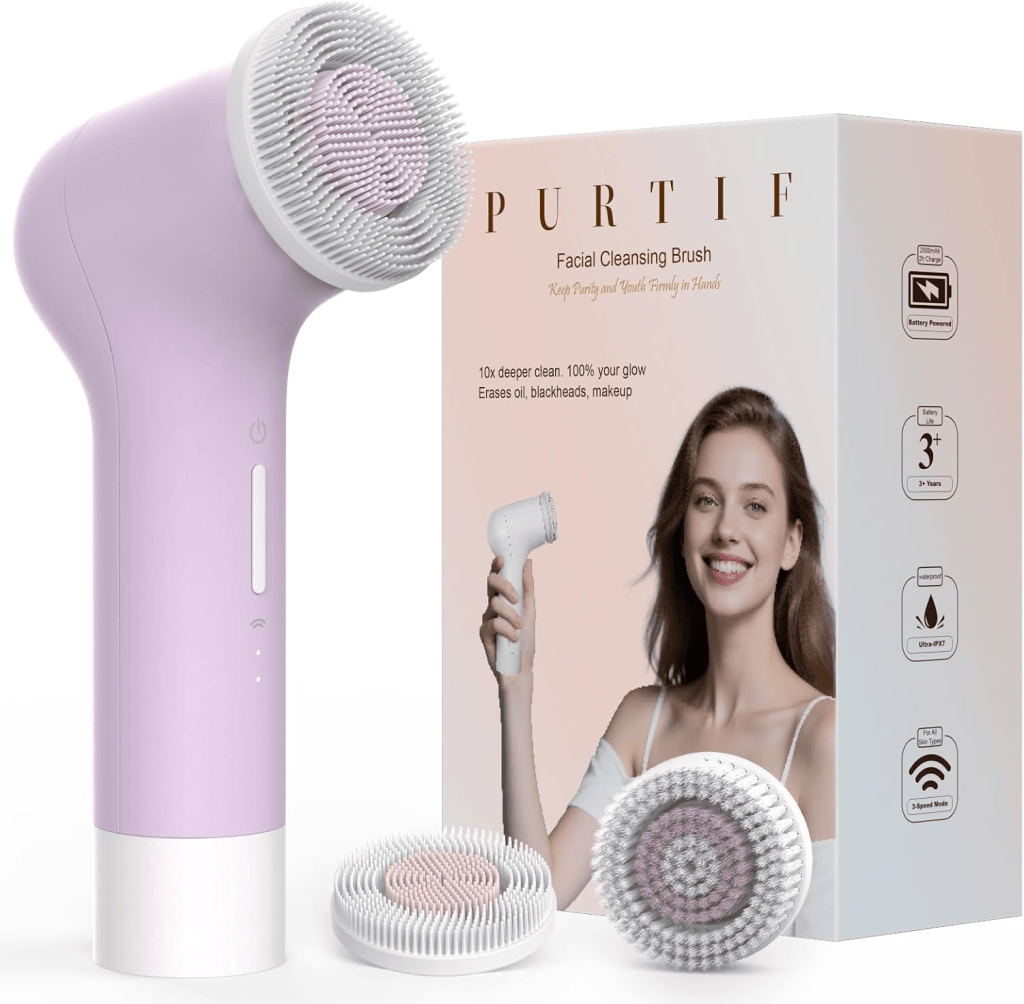
https://amzn.to/4eaIDbx PURTIF Electric Facial Cleansing Brush, Rechargeable Silicone Face Scrubber Exfoliator with Patented Dual-Ring Brush Heads, 3 Rotating Speeds, Non-Vibration.
These procedures can offer visible changes, but they also carry risks such as bruising, swelling, infection, scarring, or outcomes that differ from what you hoped for. A thorough consultation with a licensed provider who understands your health history, medications, and goals is critical before you decide whether to proceed.
Questions to ask your provider:
- What qualifications and licenses do you hold, and how often do you perform this procedure?
- Is this treatment cosmetic, medical, or both? How is it regulated in my area?
- What results are realistic for my skin, and how long might they last?
- What are the potential side effects, complications, and recovery time?
- What are the alternatives, including doing nothing?
Makeup Trends in 2026: Skin-Like, Playful, and Flexible
Makeup in 2026 sits at the intersection of barely-there and bold. Many people keep complexion products sheer and skin-like, then play with color and texture on eyes or lips. Multi-use sticks, serum foundations, and cream products remain popular for quick, blendable looks.
- Light coverage bases: Skin tints and lightweight foundations that even tone without masking natural texture.
- Soft definition: Cloudy eyeliners, diffused lip stains, and contour that looks like natural shadow rather than harsh lines.
- Statement details: Glossy lids, chrome or holographic accents, and graphic but soft-edged liner looks for evenings or special occasions.
- Hybrid formulas: Many products include hydrating or antioxidant ingredients. They support comfort and finish but are not a replacement for a dedicated skincare routine.
Practical tips:
- Match your base products to your undertone rather than just depth for a more seamless look.
- Layer thinly: apply a small amount, then build only where you want extra coverage.
- Prioritize lip and eye hygiene by replacing eye products regularly and not sharing mascara or liners.
- Remove makeup thoroughly each night to reduce the chance of clogged pores or irritation.
Hair Beauty in 2026: Scalp Care and Natural Texture
Hair trends continue to celebrate natural texture, healthy lengths, and low-maintenance shape. Scalp care has moved into the spotlight, with more people treating the scalp like an extension of facial skin.
- Gentle cleansing: Sulfate-free or low-sulfate shampoos and regular but not excessive washing, depending on your hair type and lifestyle.
- Scalp-focused products: Tonics and serums aimed at soothing the scalp, supporting a balanced environment, and reducing visible flaking.
- Heat protection: Sprays and creams that help reduce heat damage when using styling tools.
- Protective styles: Cuts and styles chosen to reduce breakage and tension, especially for textured and curly hair.
If you notice sudden hair loss, intense shedding, or scalp symptoms such as pain, bleeding, or persistent itching, seek advice from a licensed medical professional or dermatologist, as these can be signs of underlying health issues.
- Soft layers and air-dried styles that work with your natural texture instead of against it.
- Glossing treatments that add shine and temporarily enhance color tone.
- Subtle, face-framing color rather than full-head bleaching for a lower-maintenance effect.
- Accessories such as ribbons, clips, and headbands to change the mood of a style without permanent changes.
Personalized Beauty: From DNA Talk to Realistic Customization
Personalization continues to grow, but it is most useful when grounded in realistic expectations. Brands now offer quizzes, virtual try-ons, and custom-mixed products. You may also see services that refer to DNA, microbiome, or hormone-related testing. The science behind these offerings can vary widely, and not all claims are equally backed by evidence.
Smart ways to personalize your routine:
- Focus on how your skin or hair actually behaves (oily, dry, combination, reactive) rather than labels alone.
- Track what works: keep notes or photos when you introduce new products or treatments.
- Be cautious of big promises tied to a single test result. Ask what research supports the recommendations you’re receiving.
- Work with licensed professionals (such as dermatologists, trichologists, or qualified aestheticians) who can interpret test results in the context of your overall health.
Wellness-Focused Beauty: Sleep, Stress, and Daily Habits
One of the strongest beauty ideas of 2026 is that how you live often shows up on your skin and hair. While products and procedures can influence appearance, everyday choices like sleep, stress, and nutrition also play a role. None of these habits can guarantee specific beauty outcomes, but they can support overall health and well-being.
Common wellness-focused habits include:
- Prioritizing sleep: Consistent, good-quality sleep can support the body’s natural repair processes.
- Managing stress: Mindfulness, movement, time outdoors, and supportive relationships may help with stress, which can be linked to flare-ups of some skin and hair conditions.
- Balanced eating patterns: Nourishing, varied food choices support overall health. Specific “beauty diets” are often overhyped; a licensed healthcare professional or registered dietitian can give personalized guidance.
- Sun and environmental protection: Sunscreen, shade, hats, and simple cleansing routines after pollution or heavy sweat can support skin over time.
Safety First: Understanding Limits and Risks
Whether you are exploring a new serum or a clinic-based procedure, safety should come first. Every product and treatment has the potential for side effects, and individual responses can differ. No routine, practice, or procedure can promise specific results for everyone.
Before trying a new procedure or device:
- Confirm the provider’s licenses, training, and experience.
- Ask to see before-and-after photos from clients with similar concerns and characteristics, understanding that your results may differ.
- Share your full medical history, medications, allergies, and previous procedures.
- Make sure you understand the aftercare instructions and costs beyond the initial treatment.
- Take your time. You never have to decide on the spot.
If you experience unexpected pain, severe redness or swelling, signs of infection, or any worrying change after a treatment, seek help from a licensed medical professional promptly.
Conclusion: Beauty as a Long-Term, Personal Journey
Beauty trends in 2026 highlight a clear shift: from quick fixes and strict rules toward personalized routines, thoughtful treatments, and wellness-focused habits. Skincare, makeup, haircare, and non-invasive procedures can all play a role, but what matters most is how you feel in your own skin and the health and safety of the choices you make. For any medical or aesthetic procedure, talk to a qualified, licensed professional who can help you weigh potential benefits, limitations, and risks based on your unique situation. From there, you can build a beauty approach that is informed, flexible, and truly your own.
https://amzn.to/4hJjPZl SHQYMBLT Portable digital facial moisture tester skin analyzer facial hydration corneometer skin hydration meter water oil tester for face skin care with…


Leave a Reply