TATTOOS GONE WRONG
What Every Beauty Lover Needs to Know Before — and After — Getting Inked
Tattoo Risks, Fixes & Safe Aftercare
Tattoos can be a beautiful form of self-expression, but they also involve real risks. Careful artist selection, sensible aftercare, and prompt attention to unusual symptoms can help protect your skin and your results.
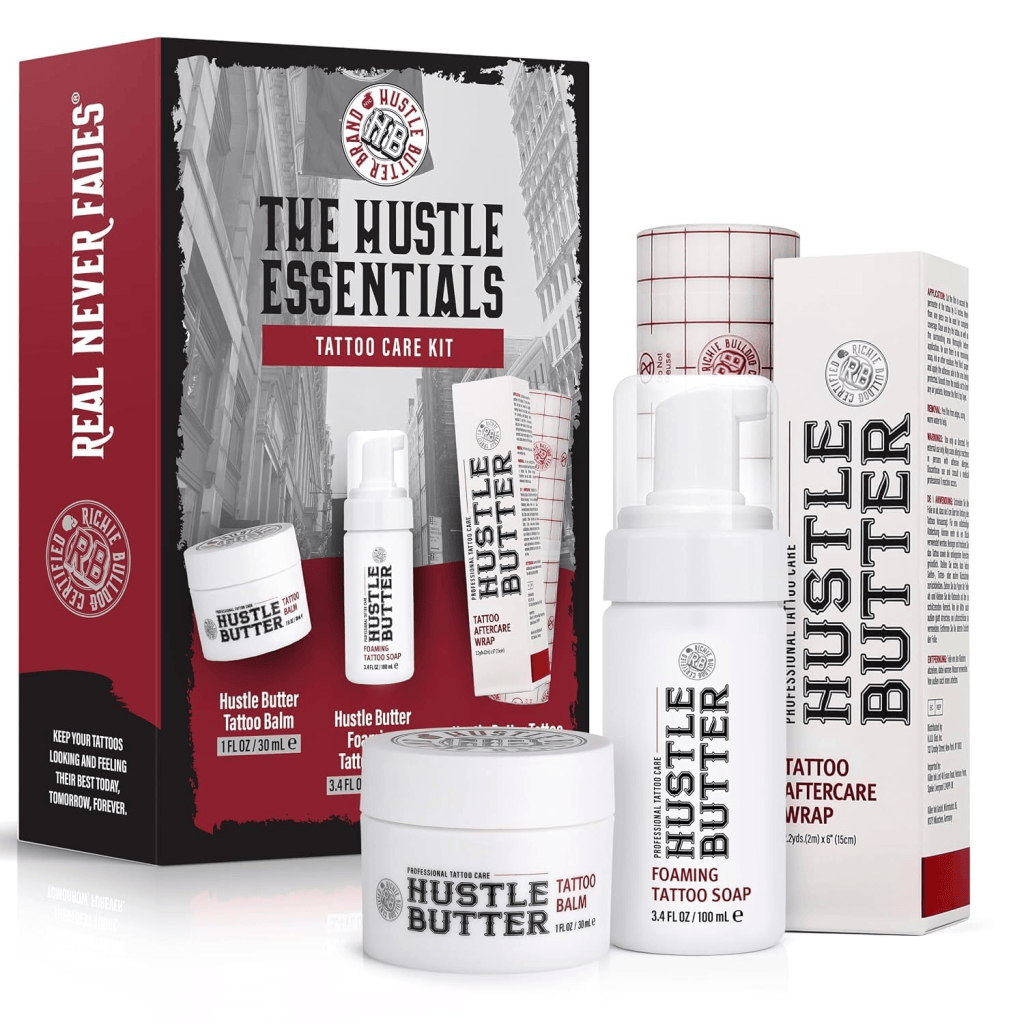
https://amzn.to/47Pt71a Hustle Butter Tattoo Aftercare Kit – Tattoo Balm, Soap, and Aftercare Wrap – TSA-Friendly – Easy Removal, Mess-Free Wrap
Common Problems and What to Do
- Allergic reactions: Persistent itching, raised bumps, recurring rash, or swelling may signal a reaction. Stop adding new products, avoid scratching, and seek professional advice if symptoms persist or worsen.
- Infection warning signs: Increasing redness, warmth, swelling, worsening pain, pus, red streaks, fever, or chills are not typical healing signs. Keep the area clean and contact a healthcare professional promptly.
- Blowouts: Blurred or spreading ink can sometimes be improved with a careful rework or cover-up after the tattoo has fully healed. Consult an experienced artist rather than trying to correct it too soon.
- Fading: Sun exposure, friction, and normal skin changes can dull ink. Once fully healed, protect the tattoo with broad-spectrum sunscreen and ask a reputable artist about a possible touch-up.
- Poor results or regret: Wait until the tattoo is completely healed before judging the final appearance. Keep photos and appointment details, then discuss rework, cover-up, or removal options with a qualified professional.
When to Contact a Healthcare Professional
Seek medical advice for symptoms that are severe, spreading, worsening, or accompanied by fever or feeling unwell. Difficulty breathing or swelling of the face or throat requires emergency care. This general guidance is not a diagnosis or a substitute for professional medical advice.
Safe Aftercare Basics
- Follow your artist’s written instructions and wash your hands before touching the tattoo.
- Gently clean with lukewarm water and a mild, fragrance-free cleanser, then pat dry.
- Use only a thin layer of suitable aftercare moisturiser if recommended; avoid picking, scratching, and peeling.
- Avoid swimming, soaking, tight friction, and direct sun while the tattoo heals.
- After healing, use sunscreen and moisturise as needed to help preserve the appearance.
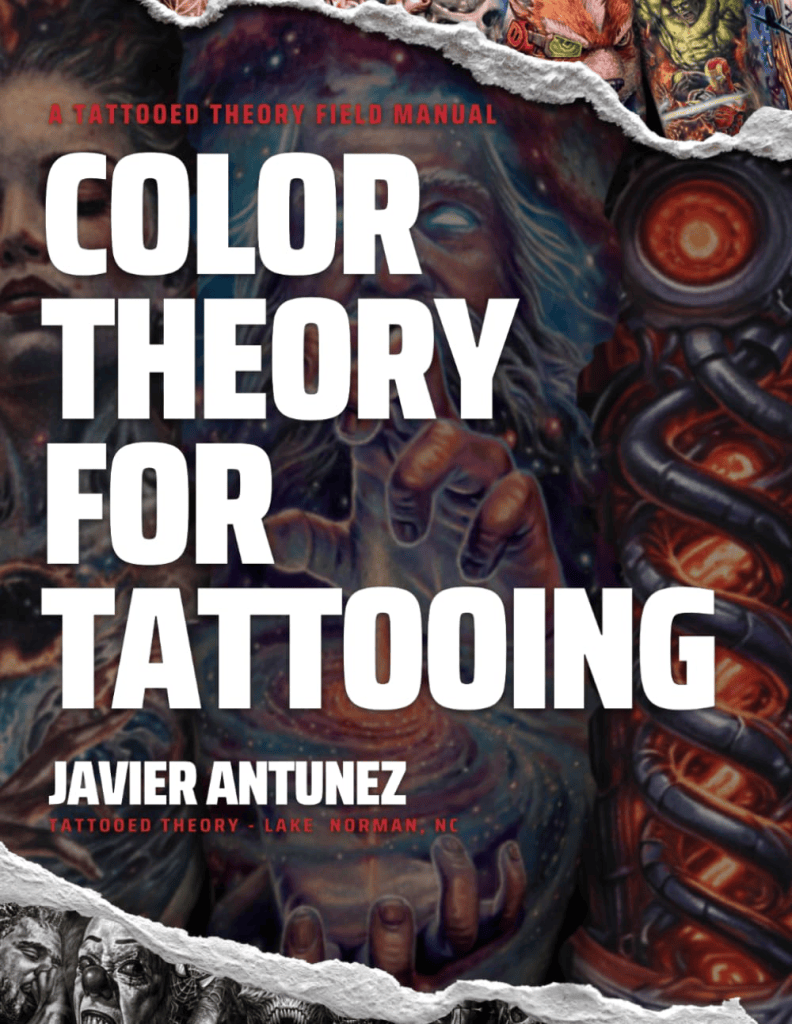
https://amzn.to/4jf9fvI Color Theory for Tattooing: A Tattooed Theory Field Manual
Prevention Checklist
- Choose a licensed, reputable artist whose portfolio matches the style you want.
- Check that the studio follows strong hygiene and single-use equipment practices.
- Review spelling, placement, size, and design details before the appointment.
- Discuss allergies, skin conditions, medications, and concerns with appropriate professionals before booking.
- Do not rush the decision, and plan time for proper healing and aftercare.
When something seems unusual, cautious observation is not a substitute for expert help. Your tattoo artist can advise on appearance and aftercare, while a healthcare professional should assess concerning health symptoms.
Tattoos have gone from underground rebellion to mainstream self-expression — and for good reason. They can be breathtakingly beautiful, deeply personal, and a powerful form of body art. But let’s be real: tattoos can also go spectacularly, cringe-worthily wrong. From misspelled quotes to full-blown infections, the road from tattoo parlour chair to healed masterpiece is riddled with potential pitfalls.
Whether you’re a first-timer or a seasoned ink collector, this guide covers everything you need to know about the most common tattoo mistakes, health risks, and how to handle things when they don’t go to plan. Consider this your beauty-meets-wellness survival guide for all things tattoo.
https://amzn.to/4ybLhVG Tattoo Johnny: 3,000 Tattoo Designs

“A tattoo is a permanent decision made in a temporary state of mind — research, plan, and choose wisely.”
— The golden rule of tattooing
1. Allergic Reactions: When Your Skin Says No
One of the most common — and most overlooked — tattoo complications is an allergic reaction to the ink itself. This can happen immediately after getting tattooed or, in some cases, years later. Red and yellow pigments are the most frequent culprits, as they often contain mercury sulphide and cadmium sulphide respectively.
Signs of an Allergic Reaction
- Persistent itching in or around the tattooed area
- Raised, bumpy skin (papules) over the ink
- Redness and swelling that doesn’t subside after a week
- Scaly or flaking patches that recur over weeks or months
- Fluid-filled blisters forming directly over the design
If you have known skin sensitivities, eczema, or allergies to metals, always ask your tattoo artist about the ink brands they use and request a patch test before committing to a full design. It’s a small step that can save you enormous grief.
2. Infection Warning Signs: Know the Red Flags 🚨
A fresh tattoo is essentially an open wound. Your skin has been punctured thousands of times per minute, and that makes it vulnerable to bacteria and other pathogens — especially if aftercare instructions aren’t followed, or if the studio wasn’t as clean as it should have been.
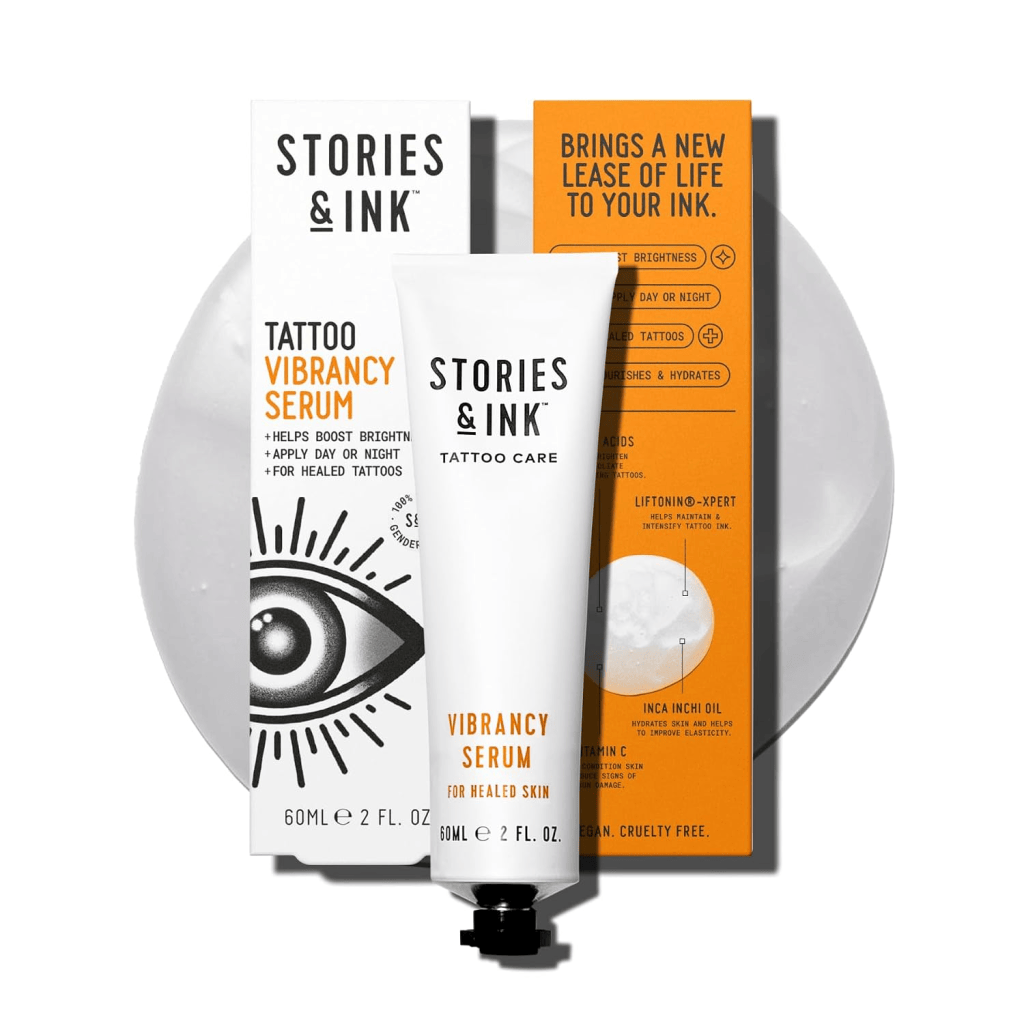
https://amzn.to/4jaoTIF Stories & Ink Tattoo Care | VIBRANCY SERUM for Healed Tattoos | Brightening Treatment to Enhance Ink Color & Restore Faded Tattoo Pigment,…
Normal Healing vs. Infection
Some redness, swelling, and oozing in the first 24–48 hours is completely normal. The trouble starts when these symptoms escalate rather than improve. Watch out for:
- Increasing redness and warmth spreading beyond the tattoo border
- Thick, yellow or green pus (not the same as clear plasma)
- A foul or unpleasant smell coming from the area
- Fever, chills, or feeling generally unwell
- Hard, hot lumps under the skin near the tattoo
- Red streaks radiating outward from the tattoo
⚠️ Important: Red streaks or a fever are signs of a serious infection that requires immediate medical attention. Do not wait and see — visit a doctor or urgent care facility right away. Left untreated, severe infections can lead to serious health complications.
3. Poor Design & Placement Choices: The Regret Is Real
Beyond health concerns, some tattoos go wrong purely in the aesthetics department — and that’s its own kind of heartbreak. Whether it’s a garbled portrait, a typo in your favourite quote, or a placement that warps every time you move, design and placement mistakes are among the most common tattoo regrets.
Common Design Pitfalls
- Spelling errors: Always proofread text tattoos — then proofread them again. Have a second (and third) person check it too.
- Font that’s too small or too intricate: Fine-line detail tends to blur and spread over time. What looks crisp today may look muddy in five years.
- Trendy designs: Infinity symbols and tribal bands had their moment. Ask yourself: will I still love this in 20 years?
- Portrait tattoos by inexperienced artists: Realism is one of the hardest tattoo styles to master. Vet your artist’s portfolio extensively.
- Poor colour matching for your skin tone: Certain colours, especially pastel shades, don’t show as vibrantly on deeper skin tones. Discuss this openly with your artist.
Placement Problems to Avoid
- Areas with high friction (waistbands, bra straps, shoe lines) fade and distort quickly.
- High-flex areas like knuckles, elbows, and knees are notoriously difficult to heal and retain colour.
- Areas prone to significant weight fluctuation (stomach, upper thighs) may stretch and distort the design.
- Hands, fingers, and feet fade fast due to skin regeneration — expect frequent touch-ups.
4. Tattoo Blowouts & Fading: When the Art Drifts
A tattoo blowout occurs when the ink is injected too deeply into the skin, past the dermis layer and into the fatty tissue below. The ink spreads unevenly, creating a blurry, bruised halo effect around the lines of the design. It’s not dangerous, but it can be deeply disappointing — especially on a design you saved up for.
Why Blowouts Happen
- Inexperienced artist using incorrect needle depth
- Tattooing over skin that is too thin (e.g., inner wrist, fingers, feet)
- Patient moving during the process
- Incorrect angle of needle insertion
What About Fading?
All tattoos fade over time — it’s simply the nature of ink in skin. But some fade faster than others. Sun exposure is the single biggest enemy of tattoo longevity. UV rays break down the pigment and cause colours to wash out. Bright colours (especially yellows, pinks, and light blues) tend to fade faster than black and grey. Proper aftercare and ongoing sun protection are your best defences.
5. What to Do When Something Goes Wrong
Realising your tattoo has gone wrong — whether aesthetically or medically — can feel overwhelming. Here’s how to handle the most common scenarios calmly and effectively:
- For mild allergic reactions: Apply a fragrance-free, hypoallergenic moisturiser and avoid scratching. Over-the-counter antihistamines or hydrocortisone cream may help with mild itching — but consult a pharmacist or GP before using anything on a fresh tattoo.
- For suspected infection: Keep the area clean and dry, do not pop blisters or pick scabs, and seek medical advice promptly. Early treatment with antibiotics (if bacterial) resolves most infections quickly.
- For aesthetic disappointment: Wait until the tattoo is fully healed (at least 4–6 weeks) before making any decisions. Many issues that look alarming during healing resolve beautifully once the skin settles.
- For blowouts or poor line work: Consult a skilled tattoo artist about a cover-up or a rework. A talented artist can often transform a troubled tattoo into something stunning.
- For serious regret: Laser tattoo removal has come a long way. Multiple sessions are needed, and full removal isn’t always guaranteed, but significant lightening is achievable for most ink colours.
6. Safe Aftercare: Protecting Your Investment
The way you care for your tattoo in the weeks after getting it makes an enormous difference to how it heals — and how beautiful it looks for years to come. Here’s what good aftercare looks like:
The Do’s
- ✅ Keep the tattoo covered with a sterile bandage or wrap for the first few hours as directed by your artist.
- ✅ Gently wash with lukewarm water and a fragrance-free, antibacterial soap twice a day.
- ✅ Pat dry with a clean paper towel — never rub.
- ✅ Apply a thin layer of unscented, tattoo-safe moisturiser or aftercare balm 2–3 times daily.
- ✅ Wear loose, breathable clothing over the tattoo while it heals.
- ✅ Apply broad-spectrum SPF 50+ sunscreen once fully healed — every single time you’re in the sun.
The Don’ts
- ❌ Don’t pick, scratch, or peel any scabs or flaking skin — you’ll pull out the ink and risk scarring.
- ❌ Don’t submerge the tattoo in water (no swimming, baths, or hot tubs) for at least 2–3 weeks.
- ❌ Don’t expose it to direct sunlight during the healing process.
- ❌ Don’t use petroleum jelly, Vaseline, or scented body lotions on a fresh tattoo.
- ❌ Don’t wrap the tattoo in cling film for extended periods without your artist’s specific instruction to do so.
7. When to Seek Medical Attention
We cannot stress this enough: some tattoo reactions require professional medical care — not just extra moisturiser and hope. See a doctor as soon as possible if you experience any of the following:
- Fever or chills at any point during healing
- Rapidly expanding redness, warmth, or swelling
- Pus (especially thick, yellow, green, or foul-smelling)
- Red streaks extending from the tattoo (a potential sign of blood poisoning)
- Severe or worsening pain beyond the first 48 hours
- A rash spreading beyond the tattoo site
- Difficulty breathing or swelling of the face/throat (seek emergency care immediately — this indicates anaphylaxis)
When in doubt, always err on the side of caution and get a professional opinion. A doctor will never judge you for being too careful with your health.
8. Prevention Tips: Get It Right the First Time
The best way to deal with a tattoo gone wrong is to prevent it from happening in the first place. Here’s your essential pre-tattoo checklist:
- Research your artist thoroughly. Look at their portfolio — ideally healed work, not just fresh pieces. Seek out artists who specialise in the style you want.
- Visit the studio before your appointment. Check for cleanliness, sterilisation practices, single-use needle packaging, and overall hygiene standards. A reputable studio will welcome your questions.
- Ask about the ink. Quality studios use reputable, skin-safe ink brands. Ask what they use, and look it up if you’re unsure.
- Don’t rush the design. Sit on your idea for at least a few weeks. If you still love it, it’s probably a keeper.
- Avoid alcohol before your appointment. Alcohol thins the blood, increases bleeding, and can affect how the ink sits in the skin.
- Stay hydrated and eat beforehand. Low blood sugar during a tattoo session can cause dizziness or fainting.
- Disclose any skin conditions or medications. Certain medications (blood thinners, retinoids, immunosuppressants) can affect healing and should be discussed with both your doctor and your artist.
- Think long-term. Consider how placement, design size, and style will look as your body naturally changes with age.
https://amzn.to/4jNafqS Minimalist Line Tattoos: A Collection of 1400 Elegant & Simple Tattoo Designs for Beginners, Artists, Professionals, and Amateurs | Tattoo Coffee Table…

Final Thoughts: Ink Wisely, Heal Well
Tattoos are one of the most personal forms of self-expression in the beauty world, and when done well, they’re truly stunning. But they come with real responsibilities — to your skin, your health, and your future self. The difference between a tattoo you’ll treasure forever and one you’ll regret usually comes down to three things: choosing the right artist, following proper aftercare, and knowing when to seek help.
Don’t let the fear of things going wrong put you off — just let it make you smarter about the process. Do your research, ask the hard questions, take care of your skin, and you’ll be showing off that ink with pride for decades to come.
“Your skin is a canvas — treat it with the same care you’d give to any work of art you plan to keep forever.”
— Hair-health-beauty.com
📌 Disclaimer: This article is for general informational and entertainment purposes only. It does not constitute medical advice and should not be used as a substitute for professional medical consultation. Always seek the advice of a qualified healthcare provider for any medical concerns relating to your tattoo or skin health.


Leave a Reply