Lose Weight the Healthy Way
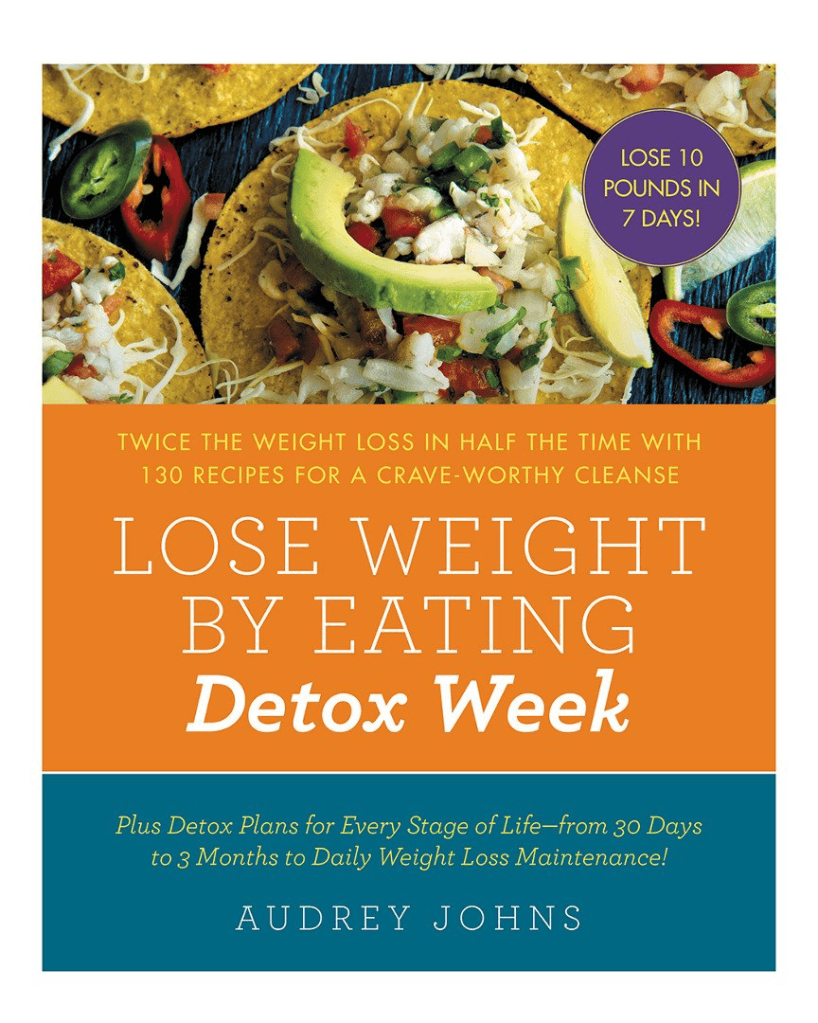
https://amzn.to/4AOIHaK Lose Weight by Eating: Detox Week: Twice the Weight Loss in Half the Time with 130 Recipes for a Crave-Worthy Cleanse
Losing weight is one of the most common health goals — yet it’s also one of the most misunderstood. With so many fad diets, detox teas, and “quick-fix” promises flooding our feeds, it can be hard to know what actually works. The good news? Sustainable weight loss doesn’t require extreme measures. It requires small, consistent changes that support your overall health — not just the number on the scale. This guide walks you through practical, evidence-informed strategies to help you lose weight the healthy way, at a pace that lasts.
🥗 1. Start With Realistic Nutrition Guidance
No single food causes weight gain — and no single food magically burns fat. Healthy weight loss is about building an overall pattern of eating that nourishes your body while creating a modest calorie deficit. Here’s what that looks like in practice:
- Prioritise whole foods: Fruits, vegetables, whole grains, lean proteins, and healthy fats form the foundation of a weight-supportive diet.
- Reduce ultra-processed foods: These tend to be calorie-dense, low in nutrients, and engineered to make overeating easy.
- Don’t fear carbs: Complex carbohydrates like oats, brown rice, and legumes provide lasting energy and fibre — both essential for wellbeing.
- Healthy fats are your friend: Avocado, nuts, seeds, and olive oil support satiety and hormone balance.
- Stay hydrated: Drinking enough water throughout the day supports metabolism and helps distinguish thirst from hunger.
Remember: a sustainable nutrition plan is one you can enjoy long-term — not one you’re counting down the days to quit.
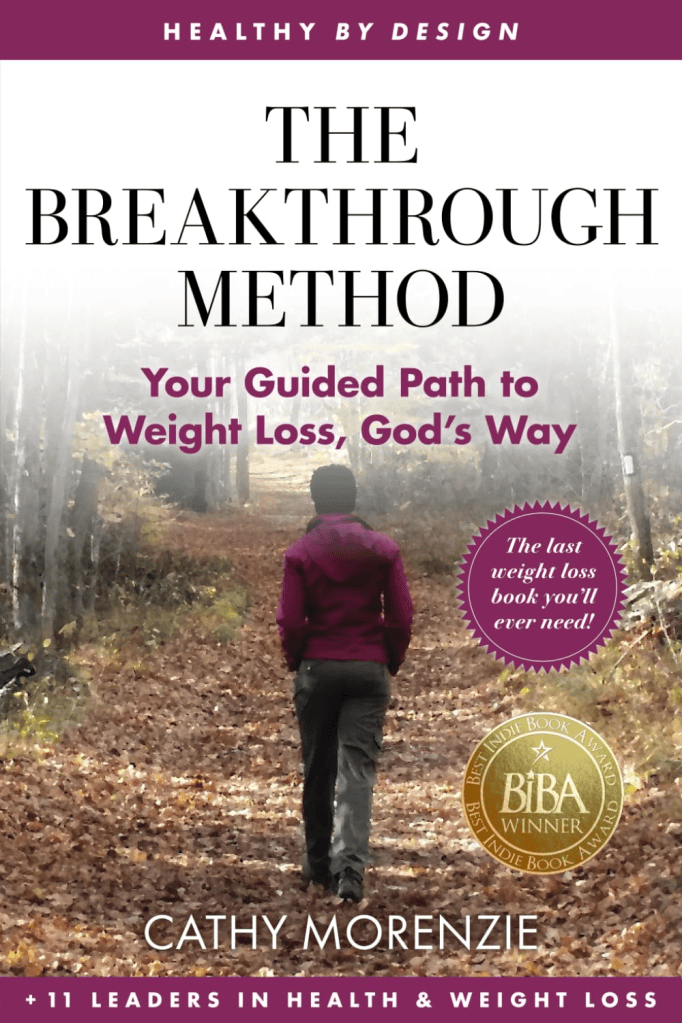
https://amzn.to/4jwbdrJ The Breakthrough Method: Your Guided Path to Weight Loss, God’s Way – The Last Weight Loss Book You’ll Ever Need! (Healthy by Design)
🍽️ 2. Build Balanced Meals
A balanced meal doesn’t have to be complicated. Think of your plate as a simple guide:
- Half your plate: Colourful vegetables and/or fruit — the more variety, the better.
- A quarter of your plate: Lean protein — chicken, fish, eggs, tofu, legumes, or low-fat dairy.
- A quarter of your plate: Complex carbohydrates — wholegrain bread, brown rice, quinoa, or sweet potato.
- A small amount of healthy fat: A drizzle of olive oil, a few slices of avocado, or a small handful of nuts.
Eating balanced meals at regular intervals helps stabilise blood sugar, reduce cravings, and prevent the energy crashes that often lead to overeating later in the day. Aim to eat breakfast, lunch, and dinner at roughly similar times each day, with a small snack if needed.
📏 3. Practice Portion Awareness
You don’t need to count every calorie — but becoming more aware of how much you eat can make a significant difference. Over the years, portion sizes in restaurants and packaged foods have grown dramatically, and many of us have lost our sense of what a normal serving looks like.
Some simple tips for portion awareness:
- Use smaller plates and bowls — your brain registers a full plate as a satisfying meal.
- Eat slowly and mindfully, putting your fork down between bites.
- Stop eating when you feel comfortably satisfied, not completely full.
- Avoid eating directly from large bags or containers — portion out a serving first.
- Check food labels to understand serving sizes on packaged foods.
Mindful eating — truly paying attention to what and how much you consume — is one of the most powerful (and underrated) tools for weight management.
🏃♀️ 4. Move Your Body Regularly
Physical activity is a cornerstone of healthy weight management — not as punishment for eating, but as a celebration of what your body can do. The best exercise is the one you actually enjoy and will stick with consistently.
General guidelines suggest aiming for at least 150 minutes of moderate-intensity activity per week. This could include:
- Brisk walking, cycling, or swimming
- Dance classes, yoga, or Pilates
- Strength training two to three times per week to build muscle and boost metabolism
- Everyday movement: taking the stairs, walking to the shops, gardening
Building muscle through resistance training is particularly valuable because muscle tissue burns more calories at rest than fat tissue — helping support long-term weight management even on your rest days.
😴 5. Prioritise Sleep and Manage Stress
Sleep and stress are two often-overlooked factors that have a profound impact on weight. When you’re sleep-deprived or chronically stressed, your body produces more of the hunger hormone ghrelin and less of the satiety hormone leptin — meaning you feel hungrier and less satisfied after eating.
To support healthy weight management through better sleep and stress habits:
- Aim for 7–9 hours of quality sleep per night.
- Maintain a consistent sleep schedule — even on weekends.
- Limit screen time an hour before bed to support natural melatonin production.
- Explore stress-reduction practices such as meditation, journalling, deep breathing, or spending time in nature.
- Identify emotional eating triggers and find non-food ways to cope with difficult feelings.
🌱 6. Build Sustainable Habits — Not a Temporary Fix
The biggest predictor of long-term weight loss success is sustainability. If a plan feels too restrictive, too exhausting, or too far from your real life, it’s unlikely to last — and weight that returns quickly is demoralising.
Focus on building habits you can genuinely maintain:
- Make one or two small changes at a time rather than overhauling everything at once.
- Allow flexibility — a meal out or a slice of birthday cake is not a failure.
- Track progress in multiple ways: energy levels, mood, strength, sleep quality — not just weight.
- Celebrate non-scale victories: better skin, more confidence, stronger endurance.
- Find an accountability partner, a supportive community, or a health coach if needed.
Slow, steady progress — even just 0.5 to 1 kg per week — is genuinely meaningful and far more likely to stay off than rapid losses achieved through crash diets.
⚠️ 7. Common Mistakes to Avoid
Even with the best intentions, it’s easy to fall into traps that slow progress or undermine your wellbeing. Here are some of the most common pitfalls — and how to sidestep them:
- Skipping meals: This often leads to intense hunger later and can slow your metabolism over time. Regular, balanced meals are key.
- Cutting out entire food groups: Eliminating carbs, fats, or any major macronutrient is rarely necessary and can lead to deficiencies.
- Drinking hidden calories: Sugary drinks, flavoured coffees, and alcohol can add hundreds of calories without satisfying hunger.
- Relying on the scales alone: Weight fluctuates daily due to water retention, hormones, and digestion. Weigh yourself no more than once a week, at the same time of day.
- Over-restricting then bingeing: Extreme calorie cuts create a cycle of deprivation and overeating. Eat enough to feel satisfied.
- Comparing your journey to others: Every body is different. Factors like age, genetics, hormones, and health conditions all affect how and when weight changes.
✅ Conclusion: Your Health, Your Pace
Losing weight the healthy way is not about perfection — it’s about progress. It’s about choosing nourishing foods most of the time, moving your body in ways you enjoy, sleeping enough, managing stress, and being kind to yourself along the journey. There is no universal timeline or “right” body — only the one that feels strongest, most energetic, and most like you.
If you have specific health concerns, underlying conditions, or are unsure where to start, we always encourage speaking with a qualified healthcare professional or registered dietitian who can offer personalised guidance tailored to your unique needs.
Here’s to a healthier, happier you — one small, sustainable step at a time. 💚


Leave a Reply