The Art of Healthy Hair: A Complete Guide to Stronger, More Beautiful Strands
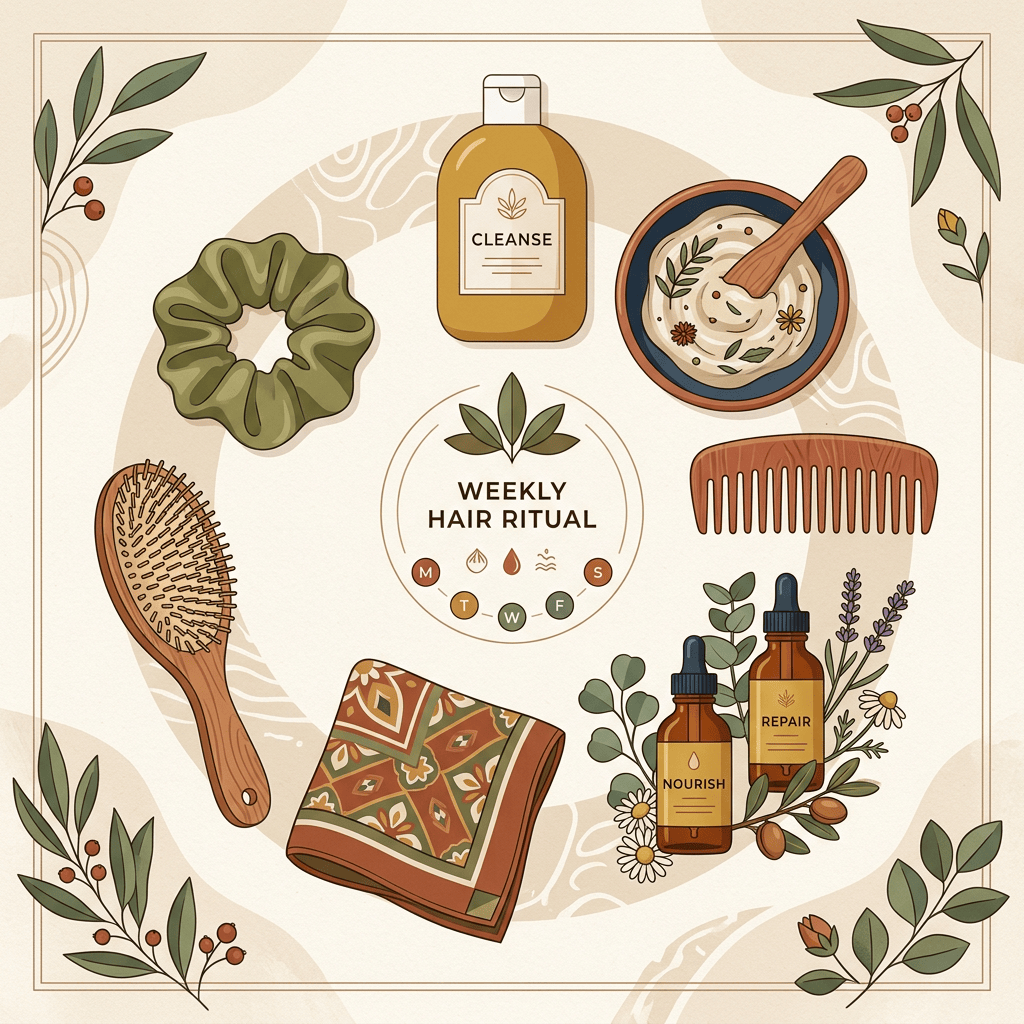
Your hair is one of the most visible expressions of your overall health. Whether you’re dealing with dryness, breakage, or a troubled scalp, understanding the science — and the simplicity — behind hair care can transform the way you look and feel every day.
It All Starts with the Scalp
Healthy hair begins at the root — quite literally. The scalp is the foundation from which every strand grows, and neglecting it is one of the most common mistakes in hair care. A well-nourished, balanced scalp creates the ideal environment for hair follicles to thrive.
Excess sebum, product build-up, and dead skin cells can clog follicles and impede healthy growth. Introducing a gentle scalp massage into your routine — using your fingertips in small, circular motions for two to three minutes — increases blood circulation and encourages the delivery of nutrients to the hair bulb. A clarifying treatment once a month can help remove stubborn residue without stripping the scalp of its natural oils.
If you experience persistent flaking, itching, or oiliness, consider switching to a pH-balanced shampoo formulated for your specific scalp type. Ingredients such as salicylic acid, tea tree oil, and zinc pyrithione have proven efficacy in addressing scalp imbalances without causing undue irritation.
Feeding Your Hair from the Inside Out
No topical product can fully compensate for a nutritional deficit. Hair is composed primarily of a protein called keratin, and the body requires a consistent supply of micronutrients to produce it efficiently. What you eat is, in many respects, what your hair becomes.
Biotin, found in eggs, almonds, and sweet potatoes, is widely associated with hair strength and thickness. Iron deficiency — particularly common in women — is a leading cause of diffuse hair shedding, making iron-rich foods such as spinach, lentils, and lean red meat essential components of a hair-healthy diet. Omega-3 fatty acids, abundant in oily fish, walnuts, and flaxseed, help maintain the lipid layer that keeps strands supple and lustrous.
Hydration, too, plays a crucial role. Dehydration affects the moisture content of the hair shaft, making strands more prone to brittleness and static. Aim for at least eight glasses of water a day and consider incorporating hydrating foods — cucumbers, watermelon, and celery — into your meals for an added boost.
The Case for Gentler Hair Habits
Modern hair care is, paradoxically, one of the primary drivers of hair damage. Vigorous towel-drying, aggressive brushing, and excessive heat styling subject the hair shaft to repeated mechanical and thermal stress — weakening the cuticle layer and leading to split ends, frizz, and breakage over time.
After washing, gently squeeze excess water from your hair using a microfibre towel or a clean cotton T-shirt, rather than rubbing. Allow hair to air-dry wherever possible, and when heat tools are unavoidable, always apply a heat protectant spray and keep styling tools below 180°C (356°F) to minimise structural damage to the cortex.
When it comes to brushing, opt for a wide-tooth comb or a brush with flexible, rounded bristles. Always start from the ends and work your way upward to detangle without causing unnecessary tension. Sleeping on a silk or satin pillowcase further reduces friction overnight, preserving both moisture and strand integrity.
Understanding the Common Causes of Hair Damage
Hair damage rarely arrives without warning — it is typically the cumulative result of habits, environmental factors, and occasionally underlying health conditions. Identifying the root cause is essential before any meaningful improvement can take place.
Chemical processing — including colouring, bleaching, perming, and relaxing — alters the disulphide bonds within the hair’s cortex. While modern formulations are significantly gentler than their predecessors, repeated chemical treatments without adequate conditioning can leave hair porous, weak, and prone to snapping. Always allow adequate time between chemical services and invest in bond-repairing treatments such as those containing olaplex or amino acid complexes.
Environmental stressors — UV radiation, hard water, pollution, and humidity — are often overlooked culprits. UV rays degrade the protein structure of the hair shaft in much the same way they damage skin. Wearing a hat in prolonged sunlight and using UV-protective hair products can make a meaningful difference, particularly for colour-treated hair. If you live in a hard water area, a shower filter or weekly chelating shampoo can help prevent mineral build-up that leaves hair feeling straw-like.
Stress, hormonal changes, thyroid dysfunction, and certain medications can also trigger telogen effluvium — a temporary but distressing form of diffuse shedding. If you notice a significant increase in hair loss, a consultation with a trichologist or dermatologist is strongly recommended.
Your Practical Weekly Hair Health Routine
Consistency is the cornerstone of lasting hair health. A structured weekly routine removes guesswork and ensures your hair receives the care it needs at every stage of the growth cycle.
Day 1 — Wash Day
Begin with a pre-shampoo oil treatment: apply a lightweight oil such as argan, jojoba, or rosehip to the scalp and mid-lengths, and leave for thirty minutes before washing. Shampoo twice — the first wash cleanses product and environmental build-up; the second cleanses the scalp itself. Follow with a moisturising conditioner from mid-lengths to ends, leaving it on for three to five minutes before rinsing with cool water to seal the cuticle.
Day 2 — Deep Conditioning
Apply a protein or moisture-rich hair mask — depending on your hair’s current needs — and allow it to penetrate under a warm towel or shower cap for twenty minutes. This weekly ritual replenishes lost moisture, strengthens the cortex, and adds a noticeable improvement in shine and manageability over time.
Days 3–5 — Maintenance
Focus on protecting your style and minimising manipulation. Use a light leave-in conditioner or hair serum to maintain moisture balance, and avoid unnecessary heat. Sleep with your hair loosely braided or wrapped to prevent friction and reduce morning tangles.
Day 6 — Scalp Care
Dedicate this day to your scalp. Use a scalp scrub or a diluted apple cider vinegar rinse to restore pH balance and remove any residual build-up. Follow with a soothing scalp serum containing actives such as niacinamide, caffeine, or rosemary oil — all of which have demonstrated support for scalp health and hair density in clinical literature.
Day 7 — Rest
Give your hair — and yourself — a day of complete rest from products and styling. Healthy hair thrives when it is not perpetually manipulated. Let it breathe, and take stock of how it looks and feels at its most natural before your next wash day.
Achieving truly healthy hair is not about expensive products or complicated regimens — it is about understanding your hair’s unique needs and responding to them with consistency, care, and a little patience. The strands you nurture today are the ones that will flourish tomorrow.


Leave a comment