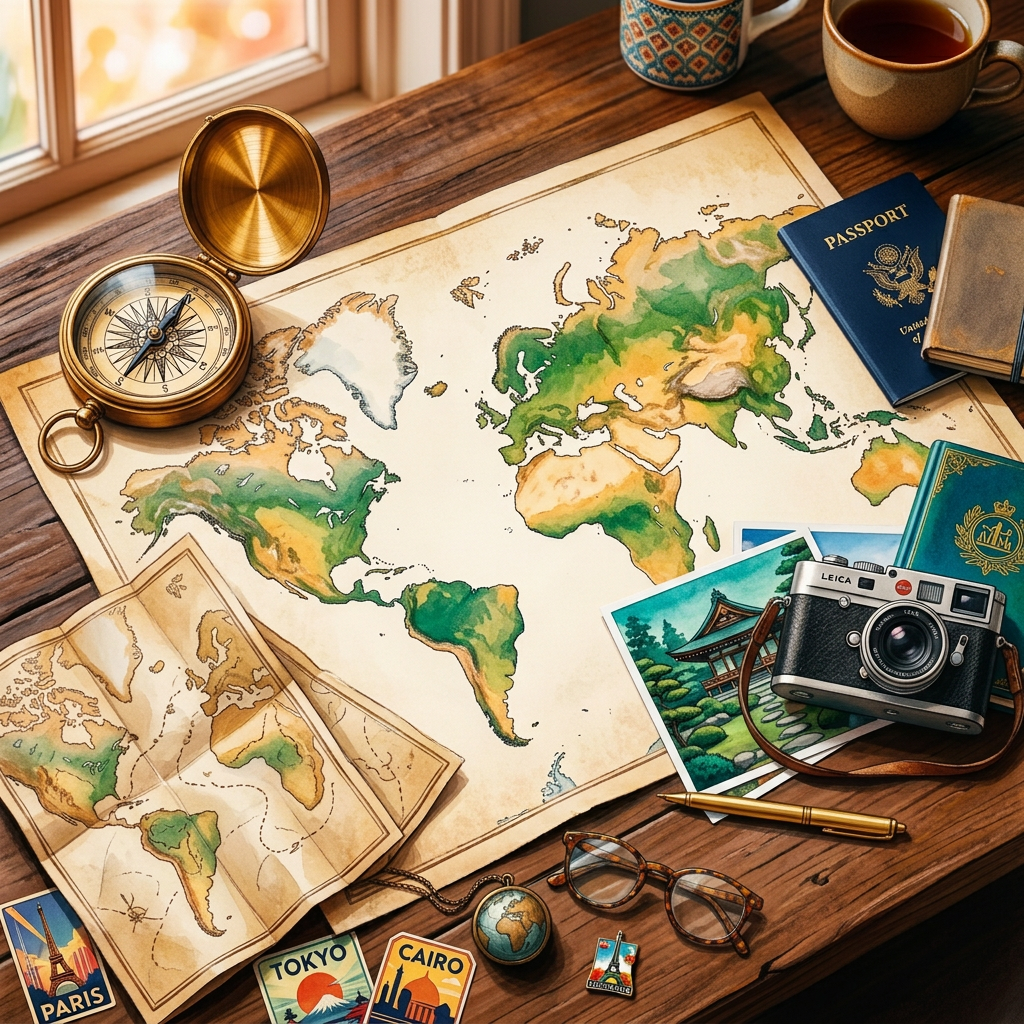
Travel is about more than seeing new places – it’s about creating beautiful memories, discovering new experiences and taking time for yourself.
Our Travel Guide brings you inspiration for beautiful destinations.
TRAVEL ESSENTIALS
TODAY WE ARE DISCOVERING JAPAN.
Attractions
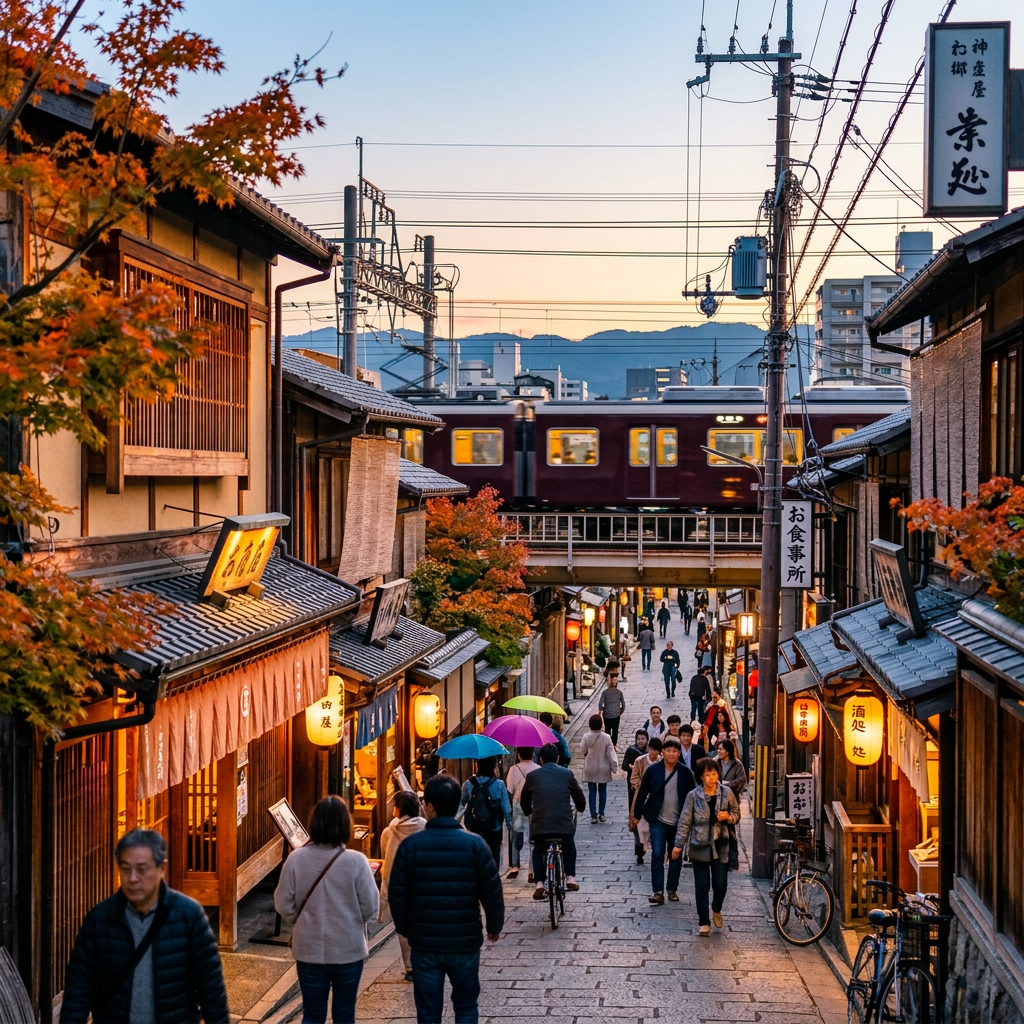
Before your trip, research Japan’s major regions and cities such as Tokyo, Kyoto, Osaka, Hiroshima, Hokkaido, and Okinawa, and decide how many bases you realistically have time for. Look up must-see spots like Senso-ji and Shibuya in Tokyo, Fushimi Inari and Kinkaku-ji in Kyoto, Osaka Castle and Dotonbori, Hiroshima Peace Memorial Park and Miyajima, and viewpoints around Mount Fuji. Check official websites for current opening hours, required reservations, and any timed-entry systems, especially for popular temples, museums, and theme parks. Consider joining small-group or audio-guided tours for historical sites and memorials to better understand Japan’s culture and World War II history.
Transportation
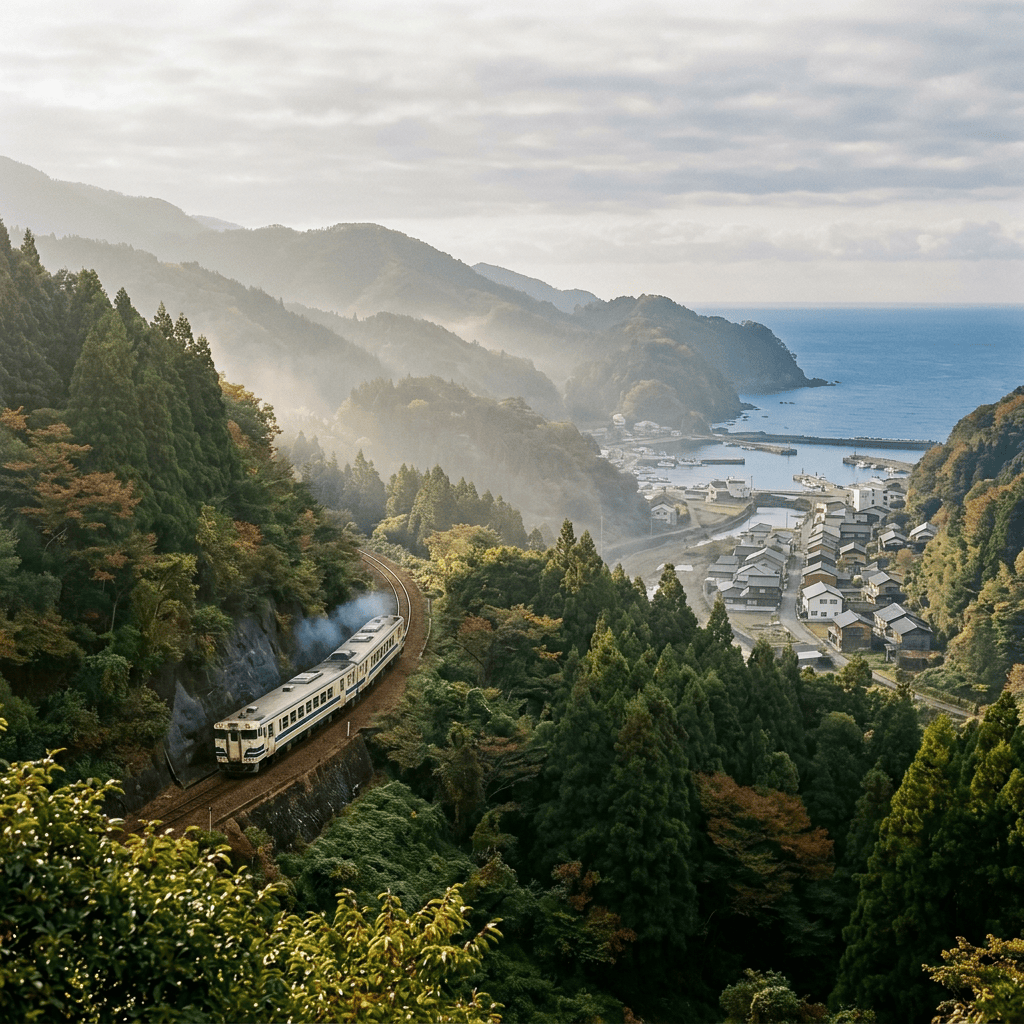
Decide early if a Japan Rail Pass makes sense for your itinerary by comparing its total cost with buying individual shinkansen tickets for your planned long-distance journeys. Use shinkansen (bullet trains) to move quickly between major cities like Tokyo, Kyoto, Osaka, Hiroshima, and Fukuoka, and reserve seats during busy seasons. In cities, rely on local trains, subways, and buses, using rechargeable IC cards such as Suica or ICOCA for tap-and-go payments where accepted. Download transit apps and offline maps to plan routes and transfer times, and always confirm the latest timetables and any service changes before you travel.
Accommodation
Compare business hotels, traditional ryokan, capsule hotels, and guesthouses to match your budget and preferred level of comfort. Choose areas near major stations like Tokyo, Shinjuku, Kyoto Station, or Umeda in Osaka for easier access to trains and attractions. Book popular ryokan with onsen, stays near Mount Fuji, and peak-season dates (cherry blossom and autumn foliage periods) well in advance, and read recent reviews for cleanliness, noise, and staff support in English. Always double-check current check-in rules, luggage policies, and cancellation terms on the booking site before confirming.
Food & Dining
Plan to try signature Japanese foods such as sushi, ramen, tempura, okonomiyaki, yakitori, and local specialties in each region you visit, like Hiroshima-style okonomiyaki or Hokkaido seafood. Visit izakaya (Japanese pubs) to sample small plates and drinks; follow local etiquette by ordering in rounds, using the oshibori (wet towel) to wipe your hands only, and avoiding loud behavior. Don’t overlook convenience stores like 7-Eleven, Lawson, and FamilyMart, which offer affordable, good-quality meals, snacks, and coffee. If you have dietary restrictions, learn key Japanese phrases, research vegetarian- and halal-friendly spots in advance, and always confirm ingredients directly with staff.
Budget Planning
Expect Japan to range from budget-friendly to expensive depending on your choices for accommodation, dining, and long-distance travel, and build a daily budget that reflects your style of travel. Save money by using business hotels, set-meal lunches, convenience-store breakfasts, and local trains instead of the fastest options when time allows. Japan is increasingly card-friendly, especially in cities, but smaller shops, rural areas, and some buses may still prefer cash, so carry a modest amount of yen withdrawn from international ATMs. Because prices and exchange rates change, check current costs and bank fees before departure and adjust your budget accordingly.
Practical Tips
Check current entry requirements, any needed documents, and passport validity rules for Japan on official government sites well before you travel, as policies can change. Purchase travel insurance that includes medical coverage and trip interruption, and keep digital and paper copies of your passport, insurance, and key bookings. Familiarize yourself with basic etiquette—such as queueing, speaking quietly on public transport, removing shoes where required, and handling cash and cards with both hands—and be aware that Japan can be very hot and humid in summer, with cherry blossom and autumn foliage seasons drawing large crowds. Consider eSIMs, portable Wi-Fi, and luggage-forwarding services to stay connected and travel light, make reservations for popular restaurants and attractions when possible, and note that the emergency numbers in Japan are 110 for police and 119 for fire and ambulance.
Japanese Holidays & Festivals
Japan’s calendar brims with celebrated holidays and festivals that shape travel experiences throughout the year. New Year (Shōgatsu) in early January draws millions to temples and shrines for rituals and celebrations; expect large crowds, higher prices, and some closures. Cherry blossom season typically peaks from late March through early April, painting cities pink and hosting lively hanami parties—plan well ahead for accommodation and restaurants. Golden Week in late April to early May combines several national holidays, creating extended holidays when locals travel and attractions overflow; book early and be ready for crowds. Obon in mid-August sees family reunions and festival celebrations nationwide, with many shops and restaurants closing as locals return to their hometowns; fewer crowds in major cities, but early bookings are still wise. Autumn foliage season from October through November rivals cherry blossoms in beauty, drawing photographers and nature lovers; temples, gardens, and mountain areas reach peak capacity during peak weeks. Planning tip: if crowds worry you, visit during off-peak shoulder seasons (June, September, or December), when prices drop, queues shorten, and you’ll experience a more authentic Japan alongside fewer tourists.
Shopping in Japan
What to Shop For
Japan is a shopper’s paradise, offering everything from delicate traditional crafts to cutting-edge technology. Pick up souvenirs and omiyage (regional gift sweets) at train stations and tourist shops — beautifully packaged and perfect for bringing home. Japanese stationery is world-renowned: look for Midori notebooks, Pilot pens, washi tape, and intricate paper goods in specialist shops like Itoya in Ginza or Loft and Tokyu Hands department stores. Beauty and skincare products are a must — Japanese drugstores such as Matsumoto Kiyoshi and Sundrug stock affordable face masks, sunscreens, essences, and cosmetics that are hard to find elsewhere. Fashion lovers should explore Harajuku’s Takeshita Street for quirky streetwear, Shibuya for mainstream trends, and Omotesando for luxury boutiques. Electronics hunters will find unbeatable selection in Tokyo’s Akihabara district or Osaka’s Den Den Town, from cameras and audio gear to Japan-only gadgets. Don’t leave without a haul of Japanese snacks — Kit Kat flavours unique to Japan, matcha confections, rice crackers, and regional specialties like Hokkaido dairy treats or Kyoto yatsuhashi make wonderful, affordable gifts.
Where to Shop
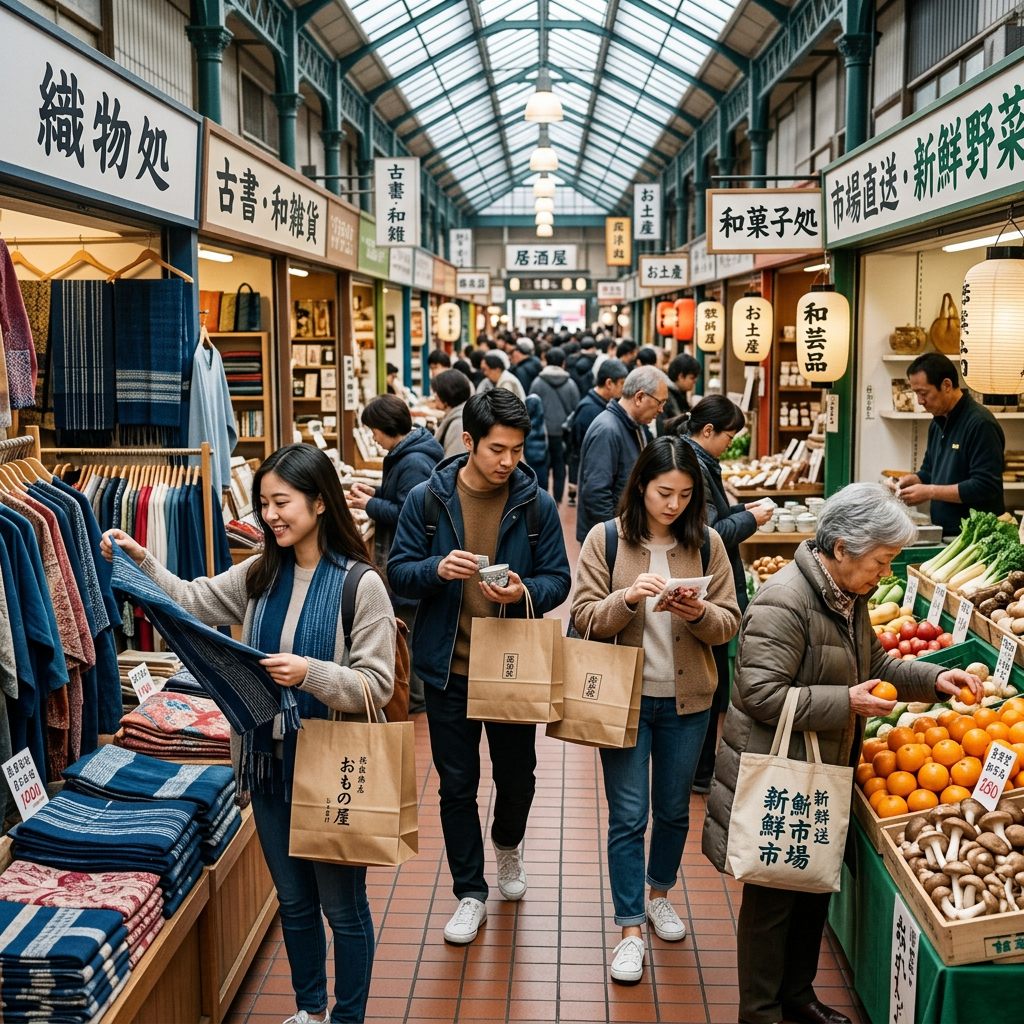
Japan offers a rich variety of shopping environments to suit every taste and budget. Department stores (depato) such as Isetan, Takashimaya, and Mitsukoshi house luxury brands, quality homeware, and exceptional food halls (depachika) in their basements — a foodie destination in themselves. 100-yen shops like Daiso, Seria, and Can Do are treasure troves of surprisingly stylish and practical items at unbeatable prices. Traditional shopping streets (shotengai and shōtengai arcades) — such as Nishiki Market in Kyoto or Nakamise-dori in Asakusa, Tokyo — are ideal for handmade crafts, ceramics, lacquerware, and local street food. Outlet malls like Gotemba Premium Outlets (near Mount Fuji) and Rinku Premium Outlets (near Osaka’s Kansai Airport) offer discounted designer and international brands worth timing into your itinerary. Convenience stores (konbini) — 7-Eleven, Lawson, and FamilyMart — are open 24 hours and stock seasonal limited-edition snacks, local beverages, and travel essentials. For vintage clothing and second-hand finds, explore Shimokitazawa in Tokyo or Amerika-Mura in Osaka.
Shopping Etiquette & Practical Tips
Shopping in Japan is a genuinely pleasant experience, largely because of the exceptional standard of customer service. Staff will greet you with irasshaimase (welcome) when you enter — a simple nod or smile in return is perfectly fine. Never haggle in regular shops or department stores; fixed pricing is the norm and bargaining is considered rude. Browsing is warmly welcomed even if you don’t intend to buy. When handing over money or receiving change, use both hands or the small tray provided at the counter — placing money directly in a cashier’s hand is less common. Items are wrapped with incredible care: staff will neatly fold, bag, and sometimes gift-wrap your purchases as standard, especially in department stores. If you’re buying gifts, mention it — staff may offer additional presentation wrapping. Keep receipts safe, as they are sometimes required for tax-free refunds or exchanges. During busy shopping seasons (New Year sales, Golden Week, and Christmas), popular stores can be very crowded, so shop early in the morning for a calmer experience.
Payment, Tax-Free Shopping & Luggage
Japan’s major cities are increasingly card-friendly, with most department stores, chain shops, and tourist-area retailers accepting Visa, Mastercard, and contactless payments including Apple Pay and Google Pay. However, carry yen in cash for markets, small independent shops, rural areas, vending machines, and some restaurants that remain cash-only. IC cards like Suica or ICOCA can also be used as e-money at many convenience stores and shops. Tax-free shopping (免税, menzei) is available to tourists at thousands of participating stores across Japan — look for the ‘Tax-Free’ sign or Japan Tax-Free logo at the entrance. You’ll need to present your passport, and purchases must meet a minimum spend threshold (currently ¥5,000 in most categories, though rules and thresholds can change). Consumables such as food, cosmetics, and drinks are handled separately from general goods. Always verify the latest rules and eligibility criteria on the Japan Tourism Agency’s official website before shopping, as regulations are subject to revision. Finally, plan your luggage carefully: Japanese shops excel at beautiful, compact packaging, but it adds up quickly. Consider using Japan’s affordable takkyubin (luggage forwarding) services to send purchases directly to your next hotel or the airport, keeping your bags light and your journey stress-free.


You must be logged in to post a comment.