
Everyday Makeup: A Practical Guide
A natural, everyday makeup look does not have to be complicated. The goal is to even out your skin tone, add a little colour, and feel confident — whether you spend five minutes or thirty. This guide walks through a simple routine for beginners and those who want to refresh their approach, covering skincare prep, product choices, and hygiene.
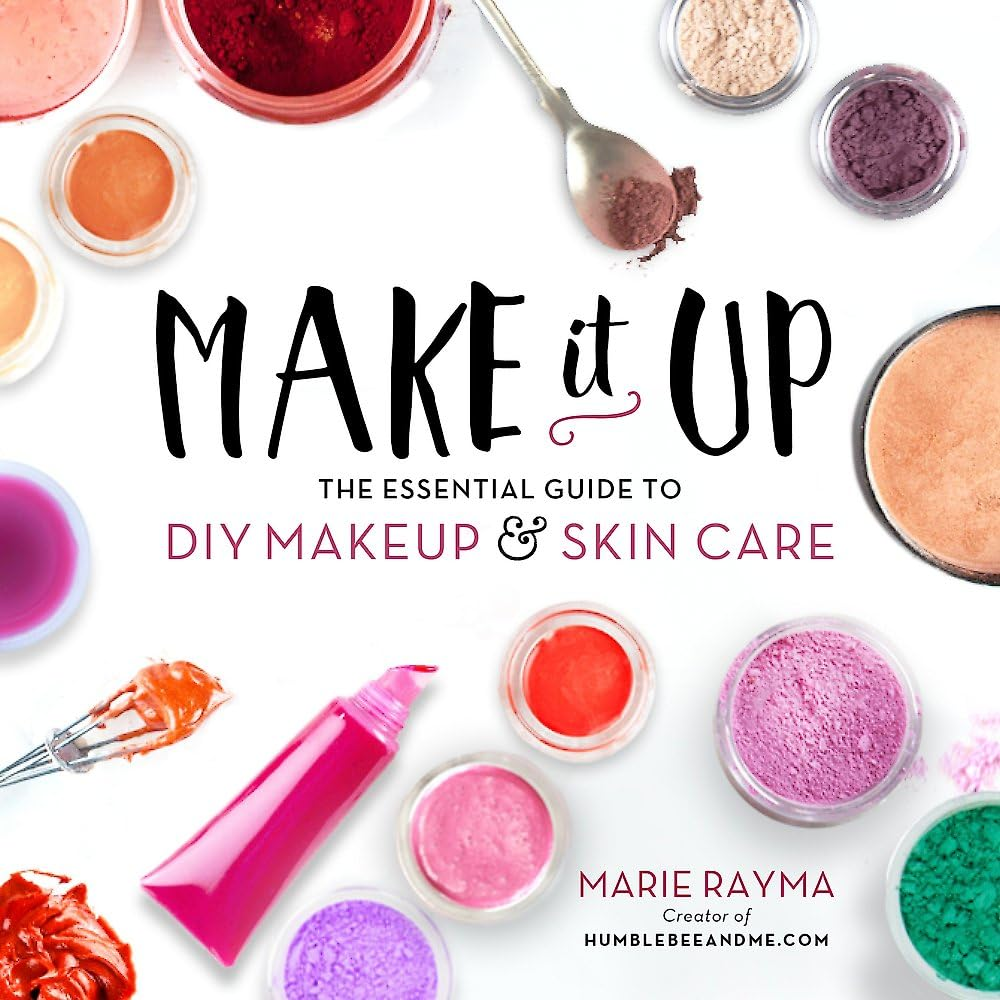
https://amzn.to/4yGPK3V Make It Up: The Essential Guide to DIY Makeup and Skin Care
Start With Skincare: Cleanse, Moisturize, Prime

Good makeup always starts with clean, hydrated skin. Before you apply anything, wash your face with a gentle cleanser suited to your skin type, then follow up with a moisturiser. Well-hydrated skin helps makeup go on more smoothly and last longer throughout the day. If you wear makeup regularly, always remove it thoroughly before bed — leaving makeup on overnight can clog pores and irritate skin. If you have persistent skin concerns such as acne, sensitivity, or rosacea, it is worth speaking to a dermatologist before changing your skincare routine.
Sun Protection: An Essential Step
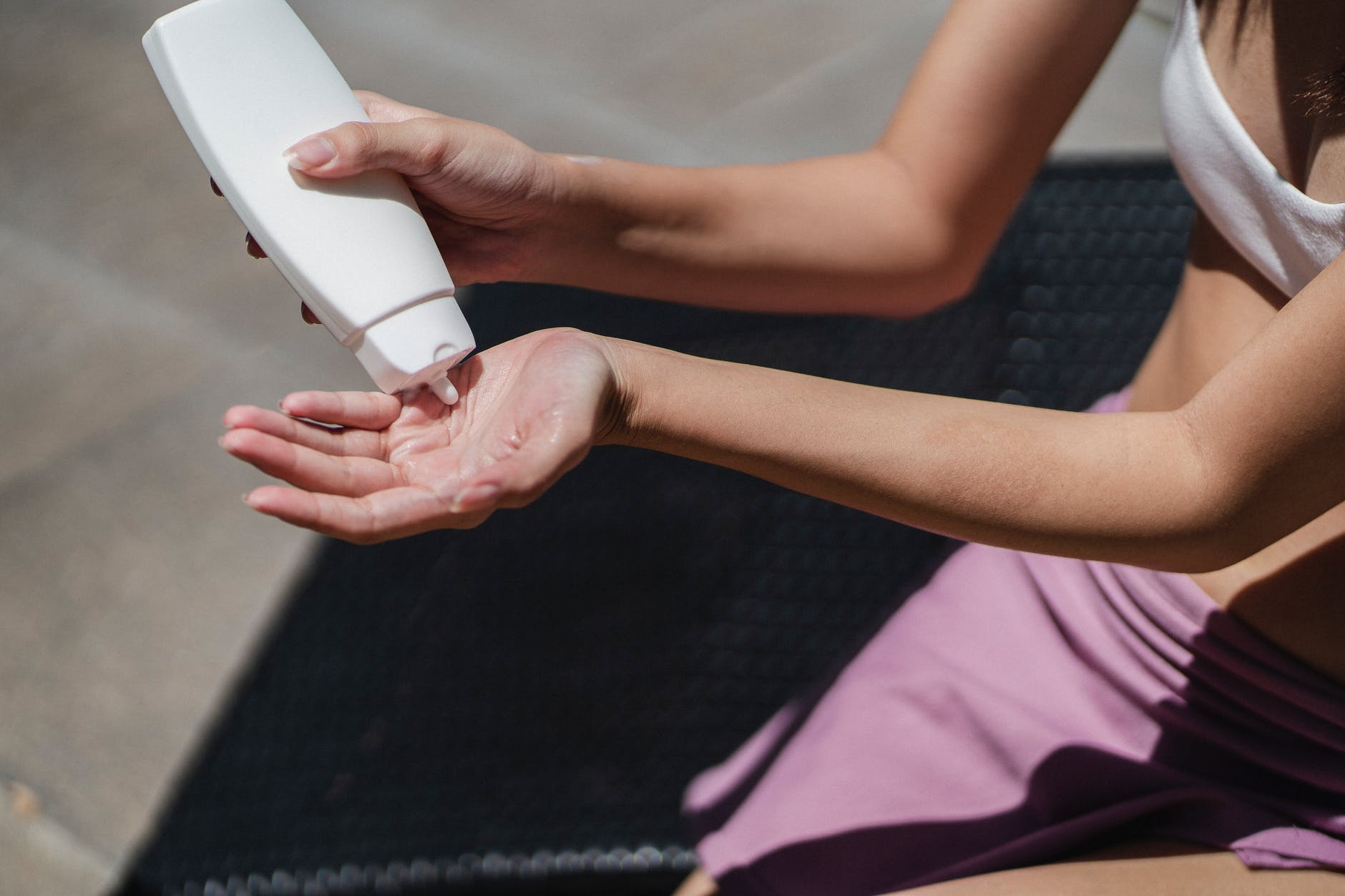
Applying a broad-spectrum sunscreen (SPF 30 or higher) every morning — even on cloudy days — is one of the most effective things you can do for long-term skin health. Apply it after your moisturiser and before your makeup. Many tinted moisturisers and foundations now include an SPF, which can be a convenient option, though dermatologists generally recommend a dedicated sunscreen for reliable daily protection. Reapply sunscreen during the day if you are spending time outdoors.
In the evening, switch to a nourishing night cream or moisturiser to help your skin recover overnight. Weekly exfoliation — removing dead skin cells with a gentle scrub or chemical exfoliant — can also improve skin texture over time. Avoid over-exfoliating, as this can irritate and damage the skin barrier. If you are unsure which exfoliant is right for your skin type, consult a skincare professional or dermatologist.
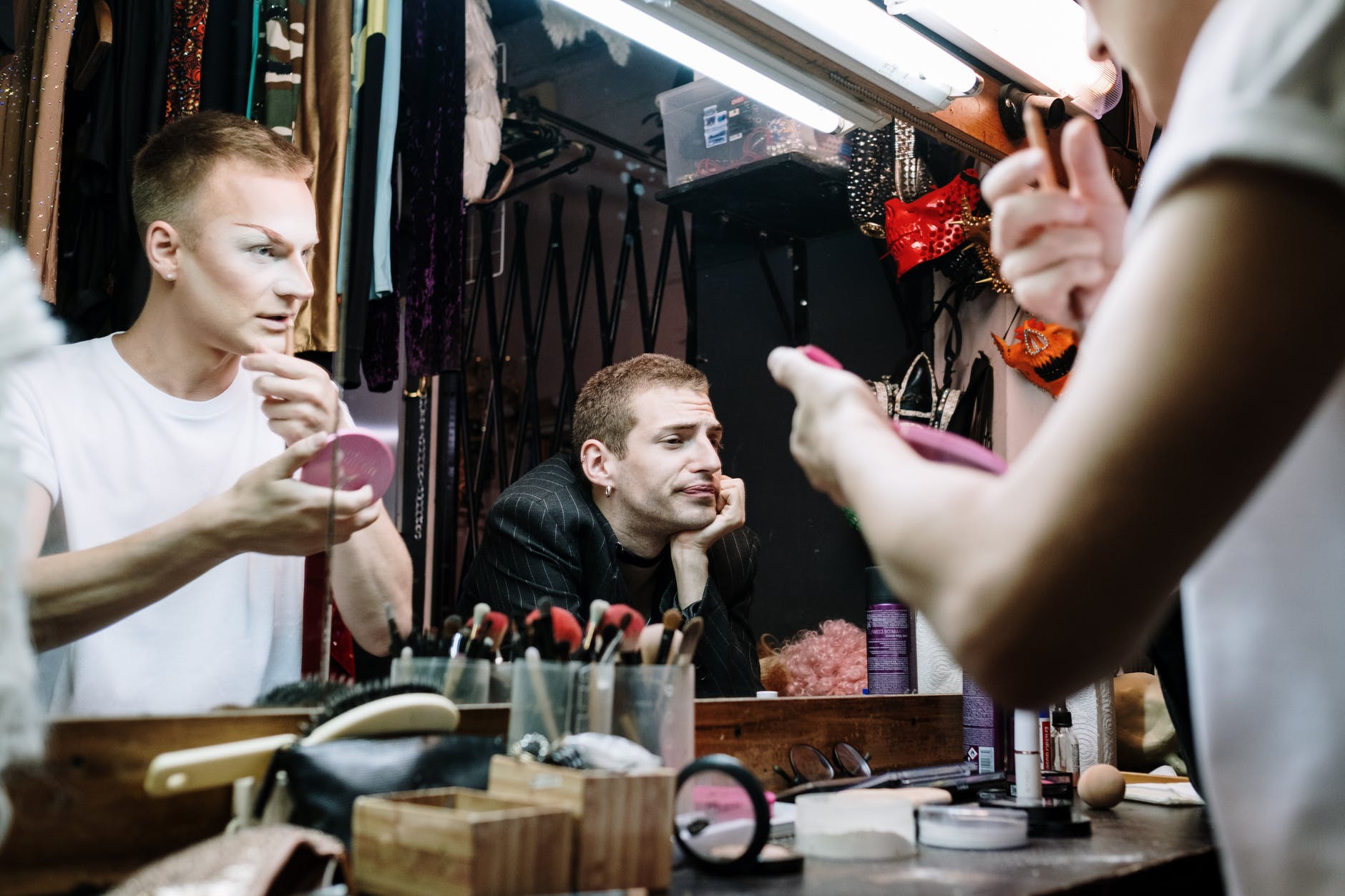
Men’s interest in skincare and cosmetics has grown significantly in recent years. The most common entry points are products that address specific concerns: a concealer to cover a blemish, a tinted moisturiser to even out skin tone, or a brow gel to groom and define. There is no single “men’s makeup” — the same products and techniques apply, and it is simply a matter of finding what works for you. The same skincare principles apply too: cleanse, moisturise, and protect with SPF daily.
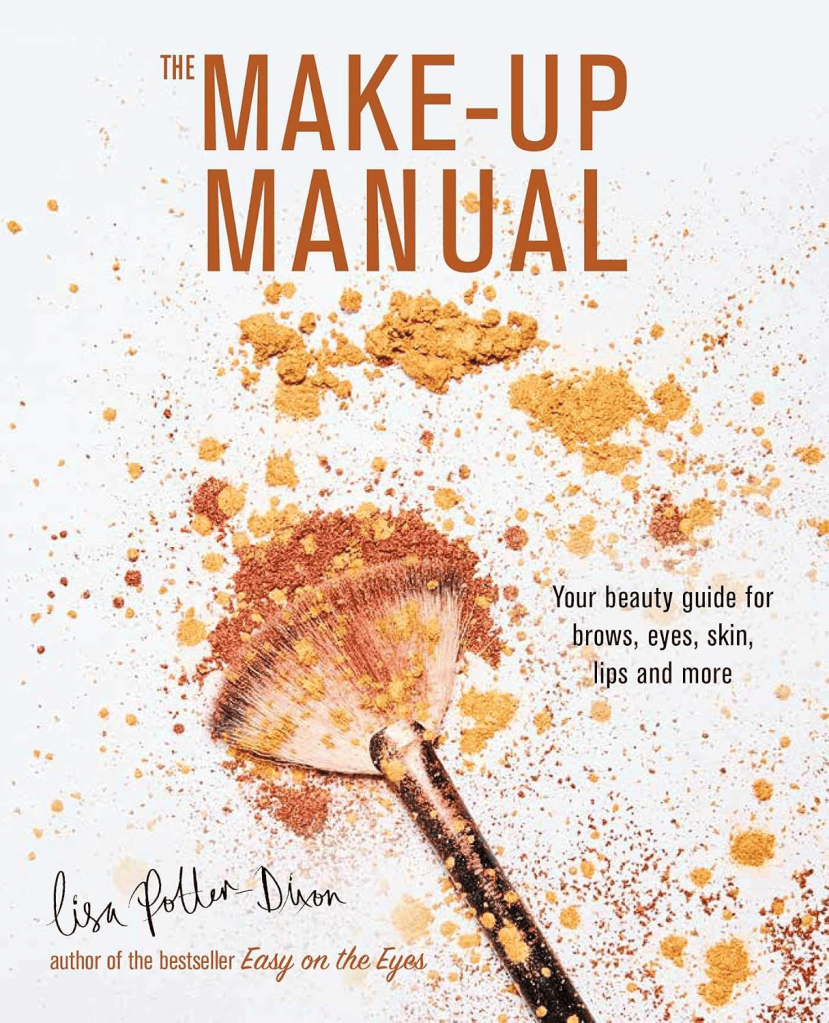
https://amzn.to/4hMzoiP The Make-up Manual: Your beauty guide for brows, eyes, skin, lips and more
A Simple Everyday Makeup Routine
Step 1: Even Out Your Skin Tone

For light, everyday coverage, a tinted moisturiser or BB cream is a great starting point. These products combine hydration with a hint of colour, making them ideal for a natural look. For more coverage, a lightweight foundation can be used instead. When choosing a shade, swatch it on your jawline in natural light — the right shade should disappear into your skin. Apply with clean fingertips, a damp makeup sponge, or a foundation brush, blending outward from the centre of the face.
To apply foundation, dot small amounts across the forehead, cheeks, nose, and chin, then blend outward using a sponge or brush. A little concealer under the eyes or on any blemishes can be blended on top for extra coverage where needed.
- Tinted moisturiser or foundation — choose a shade that matches your skin tone. Test at the jawline in natural light.
- Concealer — use under the eyes or on blemishes; blend well into the surrounding skin.
- Blush or bronzer — apply lightly to the cheeks, temples, or wherever the sun would naturally hit your face.
- Mascara — one or two coats on the upper lashes opens up the eyes with minimal effort.
- Tinted lip balm or lip gloss — adds a finishing touch of colour while keeping lips moisturised.

| Step | What to do |
|---|---|
| 1. Cleanse | Wash your face with a gentle cleanser suited to your skin type. Use warm (not hot) water and a soft washcloth or cotton pad. Do this morning and evening. |
| 2. Moisturise & SPF | Apply a moisturiser, then follow with a broad-spectrum SPF 30+ sunscreen. Some tinted moisturisers include SPF, but a dedicated sunscreen is recommended for reliable protection. |
| 3. Prime (optional) | A primer can help makeup last longer and go on more smoothly. It is an optional step, but useful for longer days or oily skin types. |
| 4. Apply makeup | Build up coverage in thin layers — foundation or tinted moisturiser first, then concealer, blush, eye makeup, and lip colour. |
| 5. Remove before bed | Always remove makeup thoroughly at night. Use a dedicated makeup remover or micellar water, then follow your usual cleanse and moisturise routine. |
A primer can be applied after sunscreen and before foundation. It helps makeup adhere better and can reduce the appearance of pores or uneven texture. Primers are optional — for a quick, everyday look, you can skip straight to foundation or tinted moisturiser.
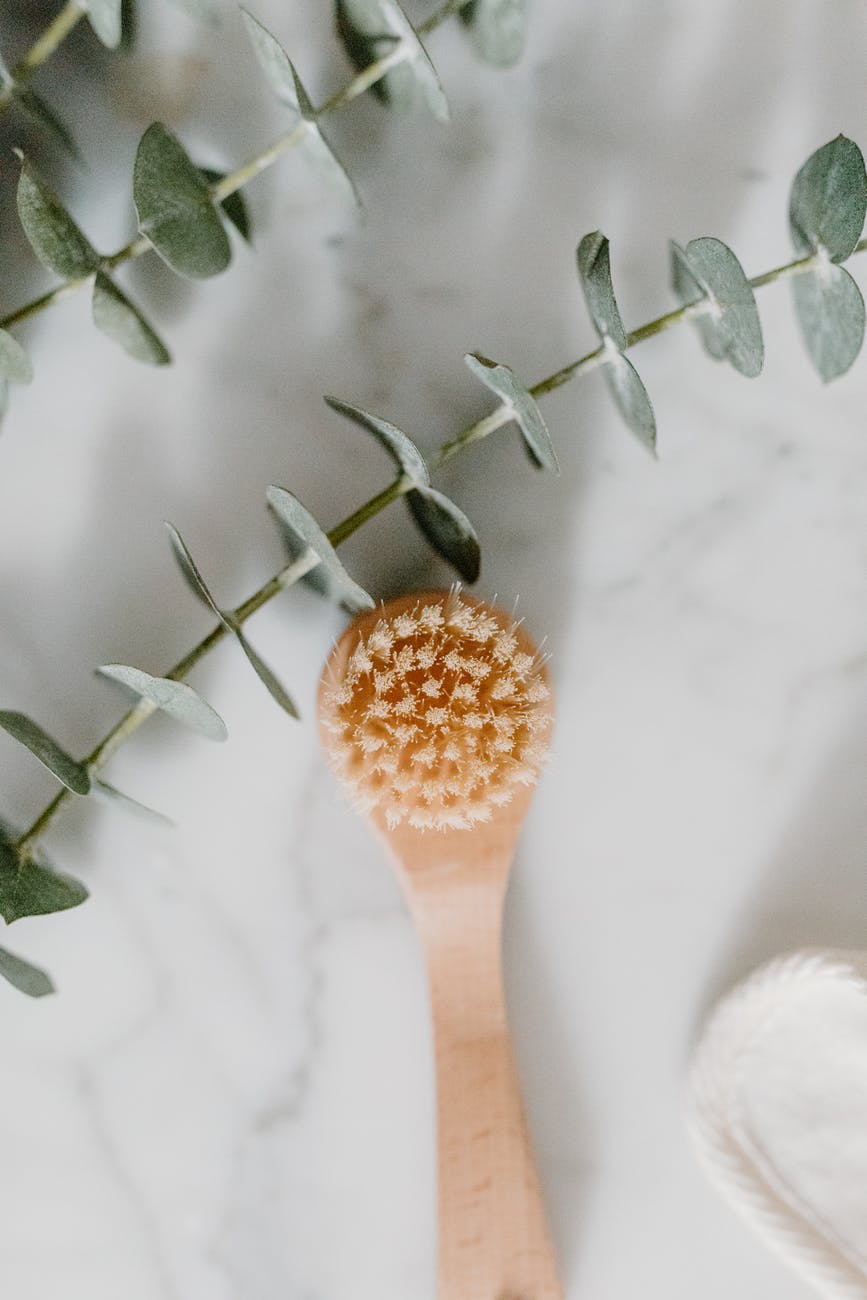
Keeping your makeup tools and products hygienic is just as important as the routine itself. Here are some general guidelines based on widely recommended best practices:
- Mascara: Replace every three months. Pumping the wand in and out introduces air and bacteria into the tube.
- Liquid foundation and concealer: Replace every six to twelve months, or sooner if the texture or smell changes.
- Powder products (eyeshadow, blush, bronzer): Generally last one to two years if kept dry and free from moisture.
- Lip products: Lip glosses and liquid lipsticks are typically good for six to twelve months; bullet lipsticks up to two years.
- Makeup brushes and sponges: Clean brushes at least once a week with a gentle brush cleanser or mild soap. Replace sponges regularly, or wash reusable ones after every use.
- Never share eye makeup — sharing mascara, eyeliner, or eyeshadow can transfer bacteria and increase the risk of eye infections.
Check each product for a PAO (period-after-opening) symbol — a small open jar icon with a number, such as “6M” (six months) or “12M” (twelve months). This tells you how long the product is safe to use after opening. When in doubt, if a product looks, smells, or feels different from when you first opened it, it is time to replace it.
https://amzn.to/4B02hki Botox & Dermal Fillers Guide For Beginners: A Practical Introduction to Cosmetic Injectables, Treatment Options, Safety, Aftercare, and Natural-Looking…

Explore More Posts
Exfoliate one to two times per week with a gentle scrub or chemical exfoliant (such as an AHA or BHA product) to remove dead skin cells and improve skin texture. Avoid exfoliating on days when your skin feels irritated, and always moisturise afterwards. If you are new to exfoliation or have sensitive skin, start slowly and consider seeking advice from a dermatologist.


You must be logged in to post a comment.