
What Does It Mean to Be Happy?

Many people believe happiness will arrive once they reach a certain milestone — finding the right partner, landing a dream job, or hitting a financial goal. But research in well-being consistently shows that happiness isn’t a destination. It’s an ongoing practice shaped by our thoughts, habits, and relationships.
“Happiness is not just about feeling good. It is about living in a way that is meaningful and engaging — one that brings genuine fulfilment over the long term.”
— Ed Diener, pioneer of well-being research
https://amzn.to/4hGnd8I Happiness in Your Life: Answers Within Guidebook

How We Adapt — and Why That’s Good News
Humans are remarkably good at adapting to new circumstances — a concept known as hedonic adaptation. Whether we experience a windfall or a setback, we tend to return to a relatively stable baseline of happiness over time. The encouraging news? We can influence that baseline. Resilience, gratitude, and intentional habits all play a meaningful role in how content we feel day to day.
Signs of a Happy Person
Happy people tend to live with a sense of purpose. They find meaning in their relationships, their work, and the small moments that make up daily life. Importantly, happiness isn’t about constant excitement or luxury — it’s often found in simple pleasures: a walk outside, a good conversation, a quiet morning with a cup of tea.
Practical Daily Habits That Support Well-Being
While happiness is influenced by personality and circumstances, a significant portion of how we feel day to day is shaped by intentional habits. Research in positive psychology suggests that small, consistent actions — repeated over time — can meaningfully raise your overall sense of well-being. You don’t need to overhaul your life all at once. Starting with one or two of the practices below and building from there is both realistic and effective.
https://amzn.to/3VGZIUf Happiness: 17 Simple Keys to Happiness in Your Life

Sleep: The Foundation of a Positive Mindset
Sleep is one of the most powerful — and most underrated — contributors to emotional well-being. When we are well-rested, we are better able to regulate our emotions, make thoughtful decisions, and maintain a more balanced perspective on daily challenges. Chronic sleep deprivation, on the other hand, is strongly linked to increased irritability, anxiety, and low mood.
Most adults function best with seven to nine hours of sleep per night. A few habits that can support better sleep quality include:
- Going to bed and waking at roughly the same time each day, including weekends
- Reducing exposure to bright screens and blue light in the hour before bed
- Keeping your bedroom cool, dark, and quiet
- Avoiding large meals, caffeine, and alcohol close to bedtime
- Using a short wind-down routine — such as light reading, gentle stretching, or a warm bath — to signal to your body that it is time to rest
Movement: Exercise as a Mood Regulator
Physical movement has a well-documented positive effect on mood and mental well-being. Exercise encourages the release of endorphins and other neurochemicals that help reduce stress and improve how we feel. Importantly, the type of exercise matters far less than simply moving regularly. Walking, cycling, swimming, dancing, gardening, yoga — any form of movement you genuinely enjoy is the kind you are most likely to sustain.
Even short bouts of movement throughout the day — a ten-minute walk after lunch, stretching between tasks, or taking stairs instead of a lift — can contribute to a more positive mood. The goal is consistency over intensity. A gentle daily walk is more beneficial for long-term well-being than an occasional intense workout followed by prolonged inactivity.
Social Connection: We Are Wired for Belonging
One of the most consistent findings in well-being research is the central role that social connection plays in happiness. Meaningful relationships — with family, friends, colleagues, or community — provide a sense of belonging, support during difficult times, and shared moments of joy. This doesn’t require a large social circle; the quality of relationships tends to matter more than the quantity.
Practical ways to nurture social connection include:
- Scheduling regular time with people who energise and support you
- Reaching out to an old friend or family member you haven’t spoken to in a while
- Joining a local group, class, or community activity aligned with an interest you have
- Practising active listening in conversations — being genuinely present rather than distracted
- Performing small acts of kindness, which benefit both the recipient and the giver
https://amzn.to/4jMbyX5 Happy Place: Ten Simple Guides to Finding Calm, Relaxation, and Tranquility Through Your Inner Self

Gratitude: Training Attention Toward What Is Good
Gratitude is more than a pleasant feeling — it is an active practice that can shift how we perceive our lives. Our minds have a natural tendency to focus on problems and threats (a useful survival instinct), but deliberately noticing and appreciating what is going well can counterbalance that bias and foster a more positive overall outlook.
Simple gratitude practices that many people find helpful:
- Writing down two or three things you are grateful for at the end of each day — keeping them specific rather than generic
- Expressing appreciation directly to someone who has made a positive difference in your life
- Taking a moment before a meal to notice and appreciate the food in front of you
- Pausing during an ordinary moment — a sunny morning, a kind exchange, a cup of something warm — and consciously acknowledging it
Meaningful Goals: Progress as a Source of Satisfaction
As touched on earlier in this post, working toward goals that align with your values is a reliable contributor to sustained well-being. The key word here is meaningful — goals driven by external approval or comparison tend to deliver less lasting satisfaction than those rooted in genuine interest, curiosity, or care for others.
A few principles that can help make goal-pursuit more fulfilling:
- Break large goals into small steps. Each small step completed gives a genuine sense of progress and momentum.
- Focus on learning, not just outcomes. Valuing the process — the skills you build, the effort you put in — makes setbacks easier to handle.
- Review and adjust regularly. Life changes, and so can your goals. Letting go of a goal that no longer fits is not failure — it is wisdom.
- Celebrate progress. Acknowledge the steps you complete, not just the final destination.
Handling Stress and Setbacks Realistically
No honest discussion of happiness is complete without acknowledging that life includes difficulty. Stress, loss, disappointment, and failure are universal human experiences — not signs of personal inadequacy or a life going wrong. The aim is not to avoid these experiences but to develop a more flexible and compassionate relationship with them.
Some evidence-informed approaches to navigating hard times:
- Name what you are feeling. Simply labelling an emotion — “I feel frustrated” or “I am anxious about this” — can reduce its intensity and help you respond more thoughtfully.
- Accept what you cannot control. Distinguishing between what is within your influence and what is not can save a great deal of unnecessary suffering.
- Maintain perspective. Ask yourself: “Will this matter to me in five years?” Not to dismiss your feelings, but to find a wider view.
- Seek support when needed. Talking to a trusted friend, family member, or colleague about a difficulty can lighten the load considerably.
- Practise self-compassion. Treat yourself with the same understanding and kindness you would offer a close friend going through the same experience.
- Allow time. Adaptation is real. Difficult periods do pass, and with the right support and habits in place, most people do find their way back to a sense of well-being.
Mindfulness and Being Present
Mindfulness — the practice of paying deliberate, non-judgmental attention to the present moment — has a substantial body of research supporting its benefits for stress reduction and emotional balance. It does not require meditation cushions or lengthy sessions. Even a few minutes of slow, conscious breathing during a stressful moment, or a short walk where you notice your surroundings rather than scrolling through your phone, can help create a sense of calm and grounding.
There are many well-regarded mindfulness apps and guided recordings available that can help beginners get started without any prior experience. The most important thing is simply to begin, and to be patient with yourself as you build the habit.
Understanding Low Mood: When to Seek Support
It is completely normal to feel sad, flat, anxious, or unmotivated from time to time. Life has its seasons, and ordinary low mood — brought on by stress, fatigue, loss, or simply the rhythm of daily life — is part of the human experience. The habits and practices described in this post can be genuinely helpful in supporting your mood during those periods.
However, there is an important difference between everyday low mood and persistent mental health conditions such as clinical depression or anxiety disorders. If you notice that your low mood, worry, or emotional distress has lasted for several weeks, is significantly affecting your ability to work, sleep, eat, or maintain relationships, or is accompanied by feelings of hopelessness, worthlessness, or thoughts of self-harm — these are signs that speaking with a qualified mental health professional would be a wise and caring step to take.
Seeking professional support is not a sign of weakness — it is one of the most courageous and self-aware things a person can do. Just as we would consult a doctor for a persistent physical concern, mental health deserves the same thoughtful care.
Your GP, a counsellor, psychologist, or therapist can provide a proper assessment and recommend appropriate support tailored to your individual situation. Online directories, mental health helplines, and community health services are good starting points if you are unsure where to begin.
Putting It All Together: A Sustainable Approach to Happiness
Happiness is not something you find once and keep forever. It is cultivated, day by day, through the choices you make about how you spend your time, who you spend it with, and how you treat yourself and others along the way. The research consistently points toward a few core themes: connect with others, move your body, rest well, pursue what genuinely matters to you, practise gratitude, and face difficulty with self-compassion and realistic expectations.
None of this requires perfection. In fact, one of the most liberating insights from well-being research is that a good life doesn’t mean a problem-free life — it means a life rich with meaning, connection, and the capacity to recover when things go wrong. That is something all of us can work toward, one small step at a time.
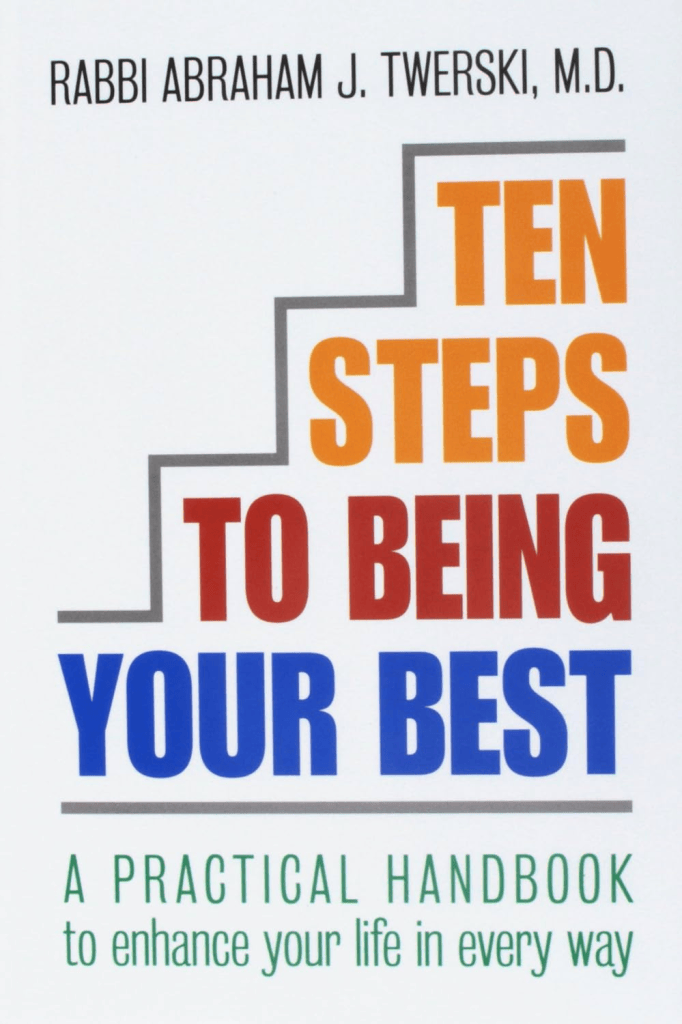
https://amzn.to/4AYa2XZ Ten Steps to Being Your Best: A Practical Handbook to Enhance Your Life in Every Way
A Quick Reference: Daily Well-Being Habits
- 🌙 Sleep — Aim for seven to nine hours; maintain a consistent schedule
- 🚶 Move — Find a form of movement you enjoy and do it regularly
- 🤝 Connect — Invest time in relationships that matter to you
- 🙏 Be grateful — Notice and appreciate the good, however small
- 🎯 Pursue purpose — Work toward goals that align with your values
- 🧘 Be present — Practise moments of mindfulness throughout your day
- 💚 Be kind to yourself — Meet setbacks with compassion, not self-criticism
- 🩺 Seek support when needed — Reach out to a professional if distress persists
Simple Pleasures and a Life of Purpose
Pursue meaningful goals. Choosing one or two goals that genuinely matter to you — and dedicating consistent effort toward them — is one of the most reliable ways to build lasting satisfaction. The sense of progress itself, not just achievement, contributes to well-being.

Well-being researchers have identified several common traits among people who report feeling happy and fulfilled:
- Feeling like they are living in line with their values and priorities
- Feeling that the overall conditions of their life are positive
- Feeling a sense of progress toward meaningful personal goals
- Experiencing a general sense of satisfaction with their daily life
- Experiencing more positive emotions than negative ones, most of the time

Physical health and emotional well-being are deeply connected. While people facing health challenges can absolutely lead happy, fulfilling lives, taking care of your body tends to support a more positive mental state. Movement, rest, and nourishing food all contribute to how we feel emotionally — and a happy home environment, where people feel safe and cared for, adds another powerful layer of well-being.
The Connection Between Health and Happiness
Small, consistent lifestyle habits often have a bigger impact than major life changes. Getting enough sleep, spending time outdoors, reducing screen time before bed, and staying connected with people you care about are all practical ways to support a more contented, grounded life.
Explore more posts on health and well-being below:


You must be logged in to post a comment.