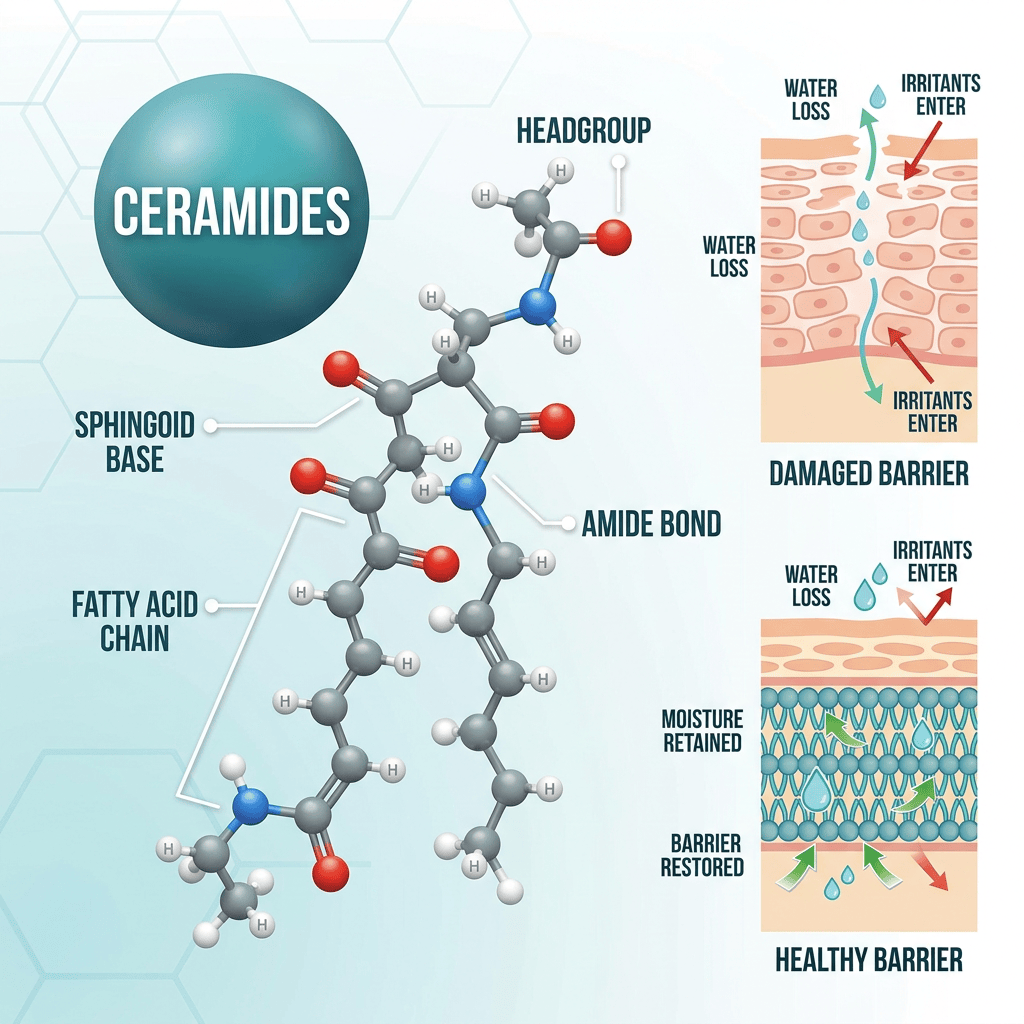
What Are Ceramides?
Ceramides are lipid molecules that naturally occur in the outermost layer of your skin, known as the stratum corneum. They make up approximately 50% of the skin’s lipid composition, making them one of the most abundant components of a healthy skin barrier. These fatty acids are essential for holding skin cells together and creating a protective seal that prevents water loss and keeps harmful irritants out. There are several types of ceramides found in skincare products, typically labeled by numbers (like Ceramide 1, 3, 6-II) or by their chemical names, each with slightly different roles in supporting skin health. When your skin lacks sufficient ceramides—whether due to aging, environmental damage, or certain skin conditions—the barrier weakens, leading to dehydration, sensitivity, and visible signs of distress.
How Ceramides Support the Skin Barrier
Your skin barrier functions like a brick-and-mortar wall: skin cells are the bricks, and ceramides, cholesterol, and fatty acids are the mortar holding everything together. Ceramides are the primary mortar component, creating tight junctions between cells that form an impermeable seal. This seal serves two critical functions. First, it prevents transepidermal water loss (TEWL)—the evaporation of moisture from your skin to the environment. Second, it acts as a gatekeeper, allowing beneficial ingredients to penetrate while blocking irritants, pathogens, and pollutants from entering. When your skin barrier is compromised, you might notice increased sensitivity to products you once tolerated, a rough or tight feeling, and accelerated visible signs of aging. By replenishing ceramides through targeted skincare, you’re essentially repairing the mortar and restoring your skin’s natural defense system, which then becomes more efficient at maintaining hydration and protecting your complexion long-term.
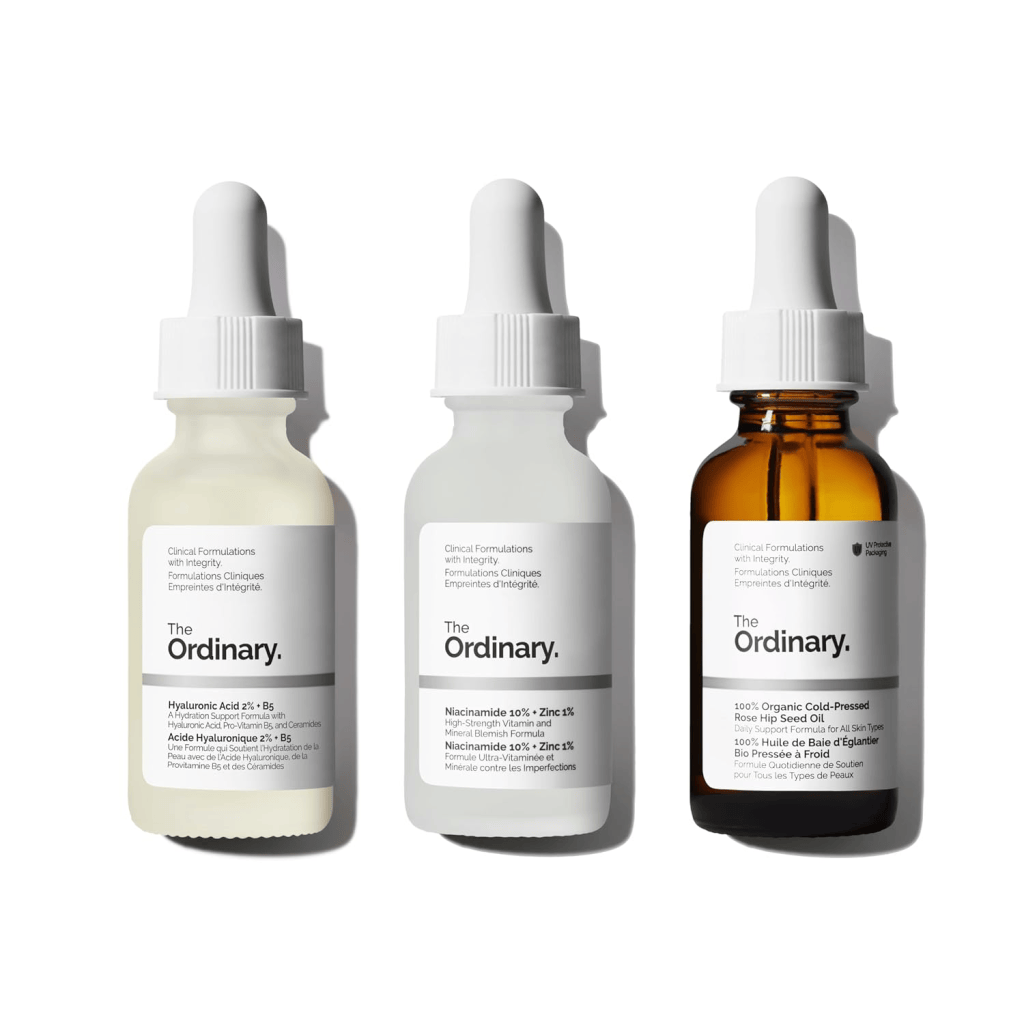
https://amzn.to/4dowqQi The Ordinary Brighten & Balance Collection For Smooth, Supple Skin – Skin Care Bundle Set – Hyaluronic Acid 2% + B5, Niacinamide 10% + Zinc 1%, 100%…
Benefits for Different Skin Types
Dry Skin
Dry skin often reflects a compromised barrier with depleted ceramides. Ceramide-rich products help seal in hydration by reinforcing the skin’s natural occlusive layer, reducing the uncomfortable tightness and flaking that characterize dry skin. People with chronically dry skin typically benefit from layering ceramide moisturizers and serums to restore barrier function and improve skin texture within weeks of consistent use.
Sensitive Skin
A weakened barrier is the root cause of many sensitivity issues. When ceramide levels drop, irritants penetrate more easily, triggering redness, stinging, and reactive breakouts. Rebuilding the barrier with ceramides can reduce sensitivity over time, making skin less reactive to environmental triggers and allowing other active ingredients to be better tolerated. This is why dermatologists often recommend ceramide products as a foundational step in managing sensitive skin concerns.
Mature Skin
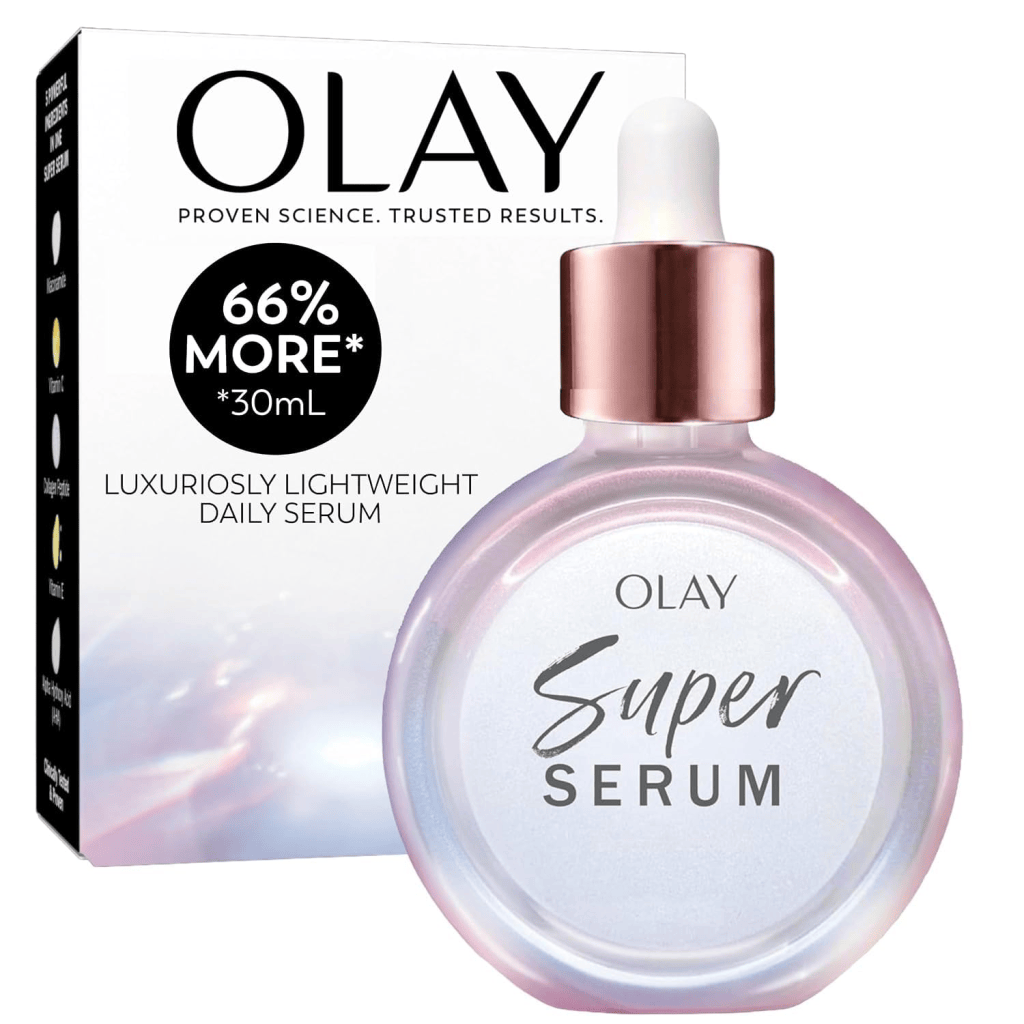
https://amzn.to/4zofWQV Olay Super Serum – Glow Serum for Face – Activated Niacinamide, Vitamin C & E, Collagen Peptide, AHA – 5-in-1 Benefits – Brightens, Hydrates, Smooths,…
Ceramide levels naturally decline with age, which is why mature skin often feels drier and becomes more prone to fine lines and loss of firmness. Ceramides can’t reverse aging, but they support the skin’s infrastructure, helping to maintain plumpness and smoothness by keeping skin optimally hydrated. When combined with other age-supporting ingredients like peptides or retinol, ceramides create an ideal environment for these actives to work effectively.
How Ceramides Compare to Other Barrier-Supporting Ingredients
While ceramides are the star players in barrier repair, they work best alongside complementary lipids. Understanding how they differ from cholesterol and fatty acids helps you choose the most effective products. Cholesterol is another crucial intercellular lipid that supports barrier structure and cell cohesion; it comprises approximately 25% of the skin’s lipid composition. Fatty acids (particularly linoleic and oleic acid) are long-chain lipids that reinforce the barrier and have additional benefits like reducing inflammation. The ideal skincare formulation includes all three—ceramides, cholesterol, and fatty acids—in balanced ratios that mimic the skin’s natural lipid profile. This combination, often labeled as a “3-lipid complex,” is more effective at barrier repair than any single ingredient alone. You’ll also see ceramides paired with humectants like glycerin or hyaluronic acid, which draw water into the skin, while ceramides seal that moisture in place. This layering approach—humectant first, then ceramide—maximizes hydration and barrier support.
Choosing the Right Ceramide Products
Not all ceramide products are created equal. When shopping, look for products that list ceramides early in the ingredient list (within the first 5-10 ingredients), indicating a meaningful concentration. Check for specific ceramide types like Ceramide NP, Ceramide AP, or Ceramide EOP, or numerical designations like Ceramide 1, 3, and 6-II, which suggests a multi-ceramide approach. Products marketed as containing a “3-lipid complex” or “phytoceramides” combined with ceramides offer more comprehensive barrier support. The texture of the product matters too: ceramide serums are excellent for layering under moisturizers, while ceramide creams and balms provide heavier occlusion for very dry or compromised skin. Consider your climate and current skin condition—people in dry climates may benefit from richer formulations, while those in humid areas might prefer lighter ceramide serums. Also note that some ceramide products contain additional beneficial ingredients like niacinamide, which enhances barrier function independently, or soothing extracts that address redness alongside barrier repair.
How to Use Ceramide Products Effectively
The effectiveness of ceramide products depends largely on how you use them. Apply ceramide products to clean, slightly damp skin, as this allows them to work synergistically with the water on your skin’s surface—humectants draw that moisture in, and ceramides seal it. If using a ceramide serum, apply it as your second step after any water-based treatments (like essences or hydrating toners), then follow with a ceramide moisturizer if desired. Pat rather than rub products into your skin to avoid disrupting the barrier further. For best results, use ceramide products twice daily, morning and night, and be consistent for at least 2-4 weeks before assessing whether they’re working for you—barrier repair doesn’t happen overnight. If your skin barrier is severely compromised, consider simplifying your routine temporarily and using only gentle, ceramide-rich products until the barrier recovers, then gradually reintroduce other actives. During the recovery phase, avoid exfoliating treatments, strong actives like vitamin C or retinol, and fragrance, as these can further stress a weakened barrier.
Common Misconceptions About Ceramides
“Ceramides are only for dry skin.” This is one of the most widespread myths. While dry skin absolutely benefits from ceramides, anyone with a compromised barrier—including those with sensitive, acne-prone, or irritated skin—benefits from ceramide support. In fact, many cases of persistent acne and sensitivity stem from barrier dysfunction, not just sebum production or irritation alone.
“Ceramides will make oily skin greasier.” Ceramides are not occlusive oils; they’re structural lipids that work at the cellular level. Lightweight ceramide serums don’t leave a greasy residue and can actually help oily skin by preventing dehydration-induced overproduction of sebum. A balanced barrier is less likely to compensate by producing excess oil.
“Natural or plant-derived ceramides are better than synthetic ones.” Phytoceramides (derived from plants) and synthetic ceramides are biochemically identical or nearly identical to skin-native ceramides. What matters is concentration and formulation quality, not whether the ceramide came from a plant or a lab. Both work effectively when properly formulated.
Practical Tips for Ceramide Success
- Layer smart: Use water-based products first, then ceramide products, then any oils or heavy occlusive. This order ensures optimal penetration and hydration.
- Don’t overload: You don’t need multiple ceramide products at once. One quality ceramide serum or moisturizer is usually sufficient; more isn’t always better.
- Watch your water temperature: Hot water strips natural oils and ceramides from skin. Use lukewarm water for cleansing to avoid further barrier damage.
- Choose a gentle cleanser: Harsh cleansers disrupt the barrier faster than ceramides can repair it. Opt for creamy, pH-balanced cleansers that don’t strip.
- Be patient with active ingredients: If you’re using ceramides specifically to repair your barrier, hold off on strong actives like retinoids or chemical exfoliants for 2-4 weeks, then introduce them slowly.
- Support with hydration: Drink adequate water and consider using a humidifier, especially in dry climates. Barrier repair works better when your skin is well-hydrated from within and without.
The Bottom Line
Ceramides have earned their place as a skincare staple because they address a fundamental skin concern: barrier function. Unlike trendy ingredients that promise quick fixes, ceramides work through a well-understood biological mechanism to support your skin’s natural infrastructure. Whether your skin is dry, sensitive, mature, or dealing with irritation, reinforcing your ceramide levels is an investment in long-term skin health. By understanding what ceramides do, how to choose quality products, and how to use them effectively, you can harness their benefits to achieve a more resilient, radiant complexion. The key is consistency—ceramides work best as a foundation of your skincare routine, not as a one-time treatment. Start with a single quality ceramide product, give it time to work, and watch as your skin barrier strengthens and your complexion visibly improves.
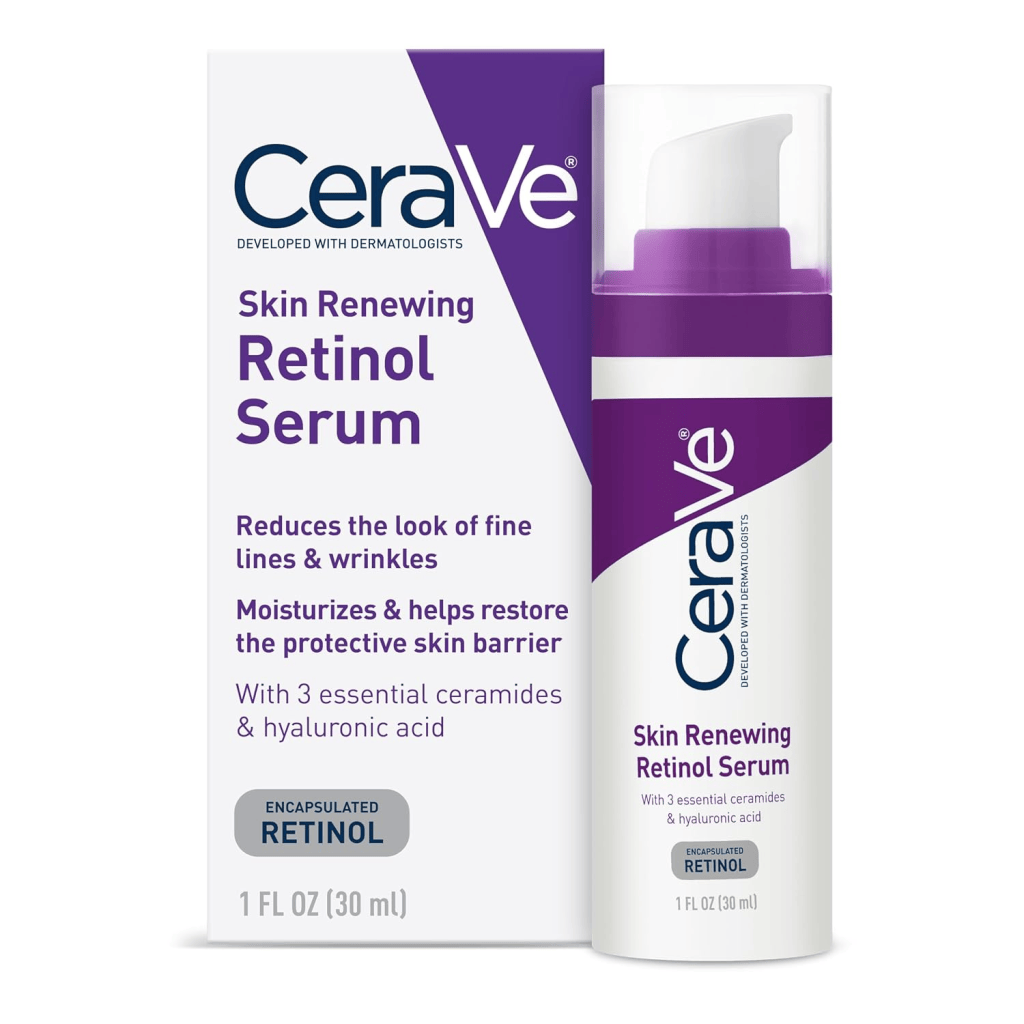
https://amzn.to/4rUXNrh CeraVe Retinol Serum for Face with Niacinamide & Hyaluronic Acid, 1oz | Anti-aging Serum, Gentle Skin Care with Encapsulated Retinol & Ceramides,..


You must be logged in to post a comment.