Why Are My Cheeks Red? Understanding Facial Flushing and Redness
A rosy flush across the cheeks is one of the most common skin changes people notice, and in most cases it is completely harmless. Skin tone, temperature, emotions, and dozens of everyday activities can all influence how your face looks at any given moment. The guide below walks through the most common reasons cheeks turn red, the signs that deserve a closer look from a healthcare professional, and some practical tips for keeping your skin comfortable day to day.
Harmless Reasons Your Cheeks May Look Rosy
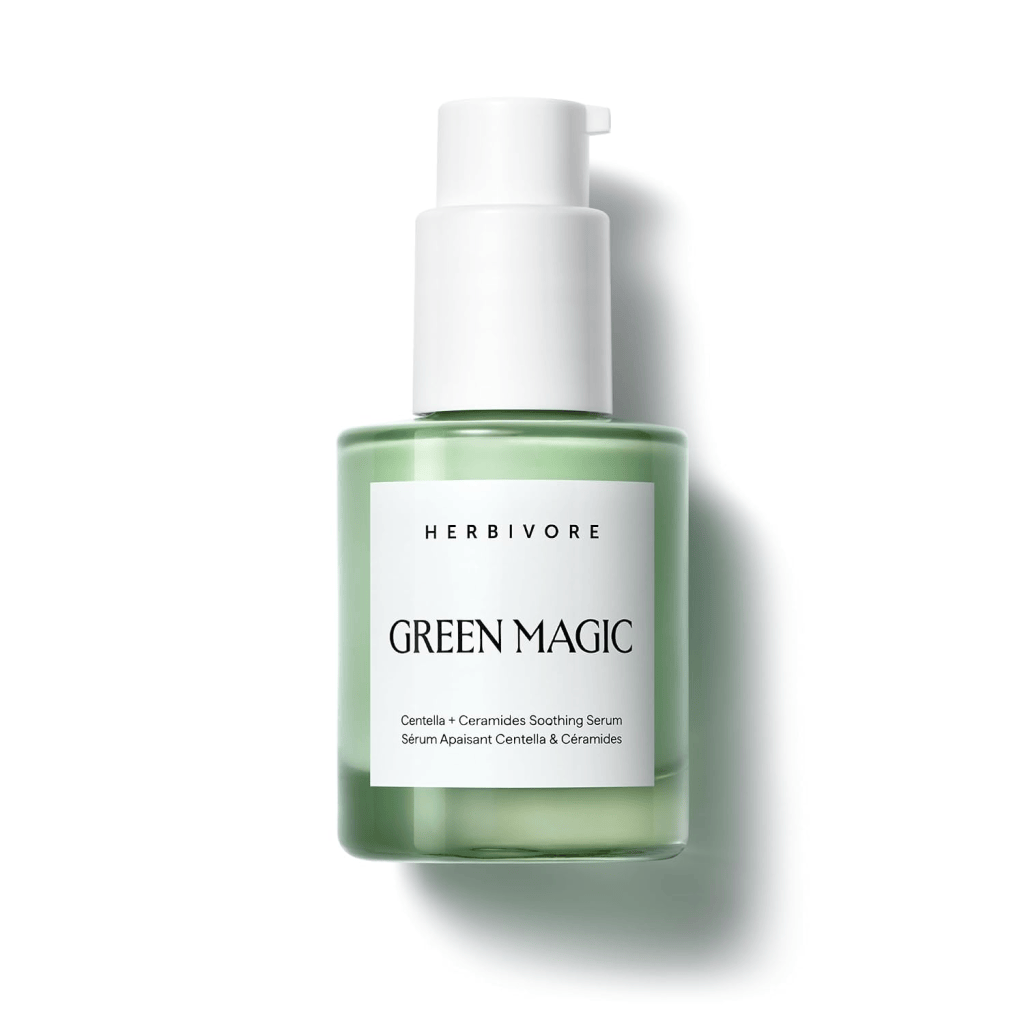
https://amzn.to/4ytTgh UHERBIVORE Green Magic Face Serum | Redness Reducing, Cica + Ceremides, 1 oz | Fast-absorbing vegan serum with marine algae & squalane. Calms stressed…
Many everyday situations cause a temporary rosy glow that fades on its own within a few minutes. These are generally nothing to worry about:
- Exercise and physical activity. When you work out, your body redirects blood flow toward the skin to release heat, which often produces a healthy-looking flush across the cheeks, nose, and forehead.
- Heat and warm environments. Sitting in a hot room, enjoying a warm bath, or spending time outdoors on a sunny day can all cause temporary surface flushing.
- Emotional responses. Embarrassment, excitement, anxiety, or anger can trigger a release of adrenaline that dilates blood vessels close to the skin surface, making the face look red.
- Spicy foods and hot drinks. Capsican — the compound that gives chilli peppers their heat — and the warmth of hot beverages can stimulate nerve endings near the skin, producing a short-lived flush.
- Alcohol consumption. Alcohol causes blood vessels to dilate and can produce visible redness, particularly in people with certain genetic variants that affect how the body processes alcohol.
- Cold weather. Stepping out into cold air constricts blood vessels, but once you warm up again, they dilate rapidly, which can leave cheeks looking rosy.
Possible Causes Worth Being Aware Of
Sometimes facial redness is linked to an underlying condition or external factor that may benefit from professional evaluation. The following are some of the more commonly discussed causes — this list is for general awareness only and is not a substitute for a diagnosis from a qualified healthcare provider.
Rosacea
Rosacea is a long-term skin condition that most commonly affects the central part of the face — the cheeks, nose, chin, and forehead. It typically causes persistent redness, small visible blood vessels, and sometimes bumps or pimples that can be mistaken for acne. Triggers vary from person to person and may include sunlight, stress, certain foods, alcohol, and temperature extremes. A dermatologist can confirm a diagnosis and discuss management options.
Allergic Reactions
Contact with an allergen — whether a skincare ingredient, laundry detergent, pet dander, pollen, or a food — can cause the immune system to release histamine, which dilates blood vessels and produces redness, swelling, and sometimes itching. If you suspect an allergic trigger, noting what you were exposed to before the redness appeared can be very helpful information to share with your doctor.
Sun Exposure
Prolonged time in the sun without adequate protection can result in sunburn, which presents as red, warm, and sometimes painful skin. Repeated sun damage over years can also cause persistent redness and contribute to broken capillaries. Daily use of a broad-spectrum sunscreen with SPF 30 or higher is widely recommended by dermatologists, regardless of skin tone.
Fever
A fever causes the body to work hard to regulate its temperature, which often leads to flushed, hot cheeks. If you or someone in your care has a noticeably red face accompanied by a high temperature, chills, or general unwellness, contacting a healthcare professional is advisable.
Hot Flashes and Hormonal Changes
Hot flashes — sudden waves of heat often felt across the face, neck, and chest — are a well-recognised feature of the menopause transition but can also occur at other hormonal shifts across life. They typically last from a few seconds to several minutes and may be accompanied by sweating and a rapid heartbeat. If hot flashes are frequent or disruptive, a GP or specialist can discuss management strategies.
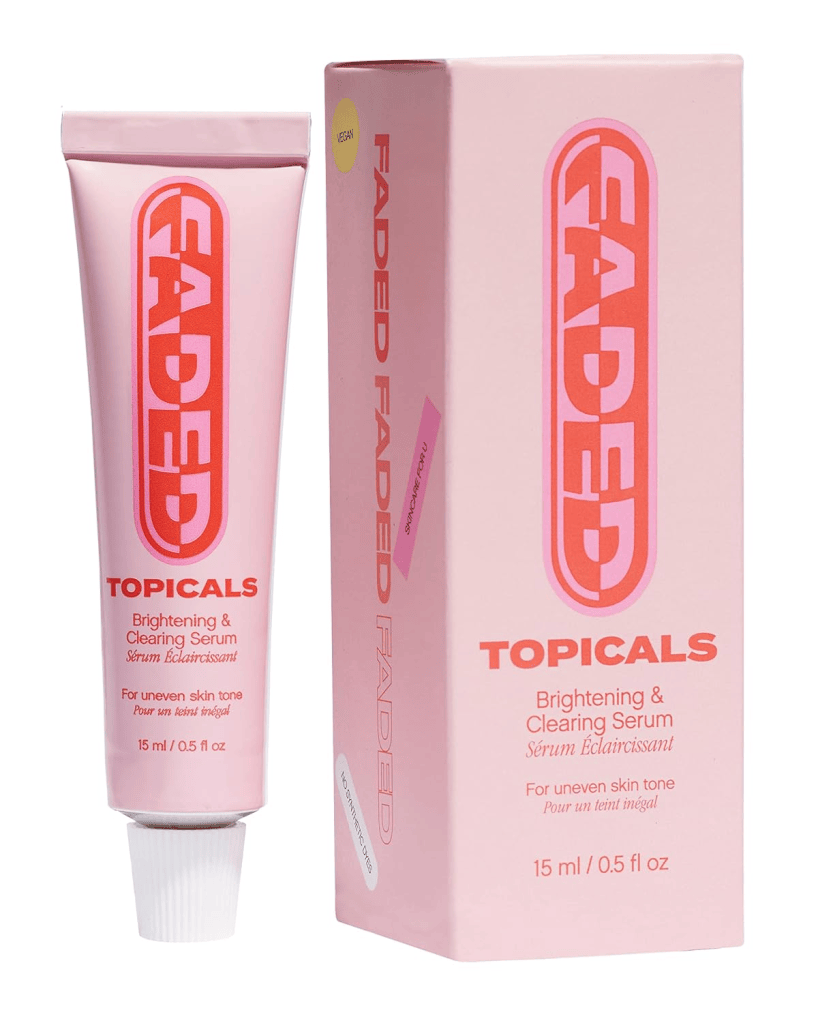
https://amzn.to/3VuHEg5 Topicals, Faded Brightening Serum, Reduces Discoloration, 0.5 Fl Oz | Clears Post-Blemish Marks, Scars & Spots, Kojic Acid & Niacinamide,…
Skin Irritation and Sensitivity
Harsh skincare products, over-exfoliation, fragrances, and certain preservatives can disrupt the skin’s protective barrier and lead to irritation, redness, and stinging. People with sensitive skin or conditions such as eczema may find their cheeks flush more readily in response to products or environmental changes. Switching to fragrance-free, gentle formulations and reintroducing products one at a time can make it easier to identify what triggers a reaction.
Medication Reactions
A number of medications list facial flushing as a known side effect. These include certain blood-pressure medicines, niacin (vitamin B3 supplements taken at high doses), some antibiotics, and topical steroids. If you notice redness developing or worsening after starting a new prescription or over-the-counter medicine, let your prescribing doctor or pharmacist know. Never stop or adjust a prescribed medication without professional guidance.
Symptoms That Warrant Contacting a Healthcare Professional
The following signs suggest it would be sensible to book an appointment with your doctor or dermatologist rather than waiting to see if symptoms resolve on their own:
- Redness that has been present for several weeks without a clear explanation
- Redness accompanied by pain, warmth, or noticeable swelling
- A rash with defined borders, blisters, or crusting
- Persistent itching or burning that interferes with sleep or daily activities
- Facial redness that appeared shortly after starting a new medication or skincare product
- Eye symptoms such as redness, dryness, or sensitivity to light occurring alongside cheek redness
- Recurring episodes of flushing that happen without an obvious trigger
- Flushing that is affecting your confidence, wellbeing, or social life
Emergency Warning Signs — Seek Immediate Medical Help
Some symptoms that occur alongside facial redness require urgent or emergency medical attention. Call the emergency services or go to your nearest emergency department immediately if you or someone nearby experiences:
- Trouble breathing or shortness of breath — this can indicate a severe allergic reaction (anaphylaxis) or another serious condition
- Swelling of the lips, tongue, or throat — a warning sign of anaphylaxis that can rapidly become life-threatening
- Fainting or loss of consciousness — sudden changes in blood pressure can accompany severe flushing reactions
- Confusion or sudden difficulty thinking clearly — this may indicate a cardiovascular or neurological emergency
- Severe or rapidly spreading rash — particularly if accompanied by fever, peeling skin, or blistering
- Chest pain or a rapid, irregular heartbeat — especially when occurring alongside a sudden flush
- Signs of severe illness — for example extreme weakness, high fever that does not respond to medication, or inability to stay awake
Do not drive yourself to the hospital if you are experiencing any of the above symptoms. Call for emergency assistance immediately.
What to Record Before Your Appointment
Arriving at a healthcare appointment with clear, specific notes helps your provider reach a conclusion more quickly and accurately. Consider keeping a simple diary in the days or weeks before your visit and recording the following:
- When the redness appears — time of day, how long it lasts, and how often it occurs
- What you were doing beforehand — exercise, eating, drinking, emotional stress, or sun exposure
- What you ate and drank — note any foods, alcohol, or beverages consumed in the hours before each episode
- All current medications and supplements — including prescription medicines, over-the-counter products, and vitamins, with doses
- Skincare and cosmetic products in use — list ingredients if possible, especially anything new introduced recently
- Any other symptoms present at the same time — for example itching, pain, fever, stomach upset, or heart palpitations
- Family history — whether any close relatives have rosacea, lupus, eczema, or other skin or autoimmune conditions
- Photos — if possible, take clear photos of the redness when it is at its most visible, since it may have faded by the time of your appointment
Gentle Skin-Care and Trigger-Avoidance Tips
While you are waiting to see a healthcare provider — or simply aiming to keep sensitive skin comfortable — the following general tips are widely recommended by skin-health professionals. These are supportive habits, not treatments for any specific condition.
- Choose gentle, fragrance-free cleansers. Avoid soaps with strong detergents, alcohol, or synthetic fragrances, which can strip the skin’s natural protective oils and trigger redness.
- Apply sunscreen every day. UV exposure is a significant trigger for flushing and long-term skin damage. A mineral-based sunscreen (containing zinc oxide or titanium dioxide) is often better tolerated by sensitive skin.
- Use lukewarm water when washing your face. Very hot water can increase blood flow to the skin surface and worsen redness.
- Pat skin dry gently. Rubbing with a towel can cause mechanical irritation; a light pat is kinder to reactive skin.
- Introduce new products slowly. Test a new skincare item on a small area of skin for a few days before applying it to your face, and add only one new product at a time so you can identify any problem.
- Keep a cool environment where possible. In very warm settings, a small fan or a cool, damp cloth held briefly against the face can help reduce flushing.
- Stay well hydrated. Drinking enough water supports overall skin health and helps the body regulate temperature.
- Track personal triggers. Using a diary to connect flare-ups with specific foods, activities, or situations over time can reveal patterns that are surprisingly easy to manage once identified.
- Manage stress where possible. Relaxation techniques such as deep breathing, yoga, or regular gentle exercise may help reduce stress-related flushing for some people.
A Note on Online Information
Online articles, including this one, can provide helpful background information and help you feel more prepared before speaking to a healthcare professional — but they cannot examine your skin, review your full medical history, or account for the many individual factors that influence how a condition presents. No website, however well-written, can diagnose the cause of your facial redness. If something about your skin is worrying you, please speak with a qualified healthcare professional who can give you advice tailored specifically to your circumstances.
While occasional flushing after heat exposure, physical exercise, embarrassment, or consuming spicy foods is usually temporary and harmless, certain signs warrant medical attention. If you experience persistent or sudden redness on your cheeks that doesn’t fade, accompanied by pain, warmth, swelling, itching, or a rash, it’s worth discussing with a healthcare professional. Similarly, if facial redness develops after starting a new medication or skincare product, consult your doctor or dermatologist to rule out an adverse reaction. More urgent symptoms that require immediate medical care include difficulty breathing, significant facial swelling, dizziness, fainting, fever, or eye symptoms such as vision changes or eye pain accompanying the facial redness. If you notice recurring or unexplained redness without an obvious trigger, or if flushing interferes with your daily life, speak with a healthcare provider for proper evaluation. They can help determine the underlying cause and recommend appropriate treatment. This information is general in nature and is not intended to diagnose any condition—always consult with a qualified healthcare professional for personalized medical advice.


You must be logged in to post a comment.