Although a tan may be viewed as a sign of health or wellbeing, it is a response to skin injury. Understanding the risks can help people make informed choices about tanning and skin protection.
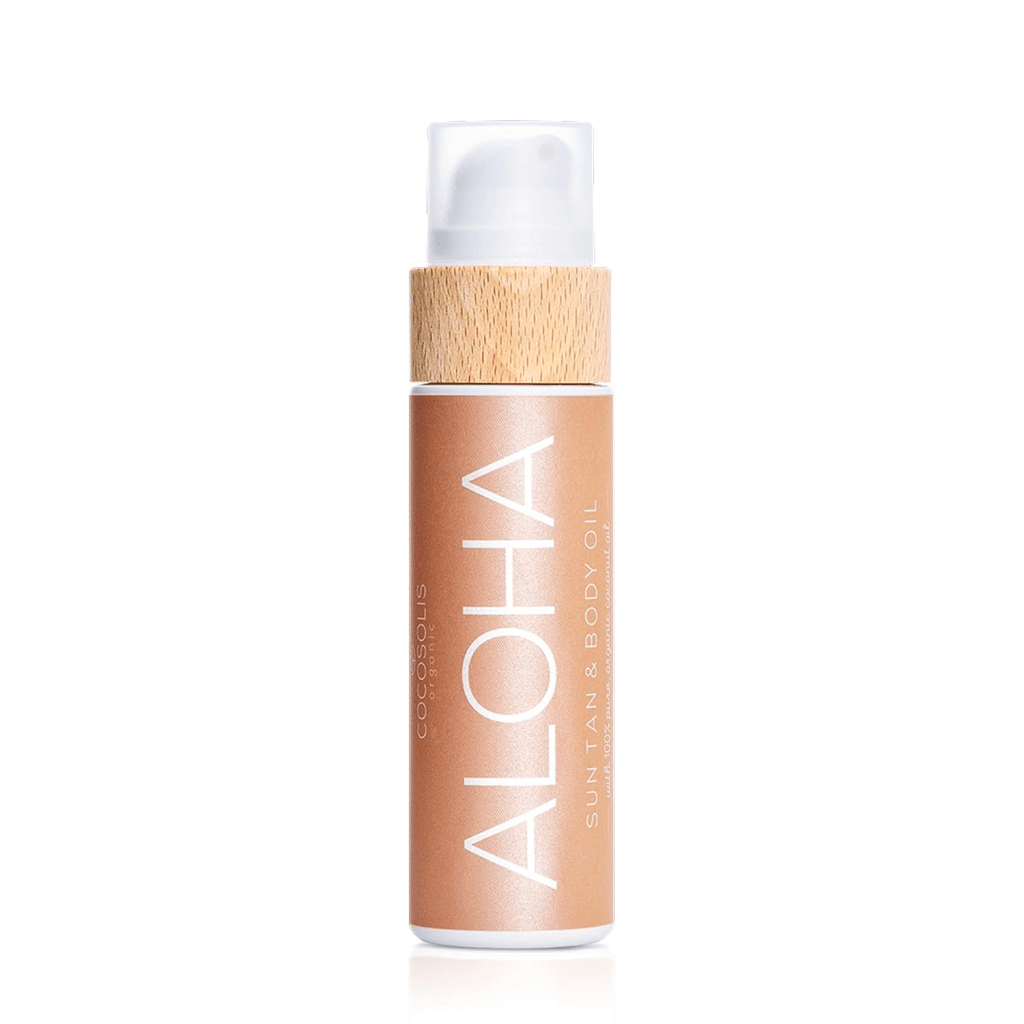
https://amzn.to/3VFQcRg COCOSOLIS ALOHA Sun Tan & Body Oil | Organic Tanning Bed Lotion | Get Healthy Deep Chocolate Tan | Tanning Accelerator with 5 Precious Oils to Make Your…
What are sunbeds?
Sunbeds, also called tanning beds or tanning booths, use artificial UV light to produce a tan. The light can include UVA and UVB radiation, the same types of radiation found in sunlight. Exposure varies between machines, but a session can deliver a high dose of UV over a short period.
Why is UV exposure dangerous?
UV radiation can damage the DNA in skin cells. The body may repair some of this damage, but repeated or intense exposure can allow lasting changes to build up. UV damage is cumulative, so avoiding sunburn does not make regular tanning safe.
Health risks linked with sunbeds
Skin cancer
UV exposure can increase the risk of skin cancer, including melanoma and other cancers that develop in skin cells. Risk is influenced by factors such as the total amount of UV exposure, history of sunburn, and individual susceptibility. A tan is not a protective shield against further UV damage.
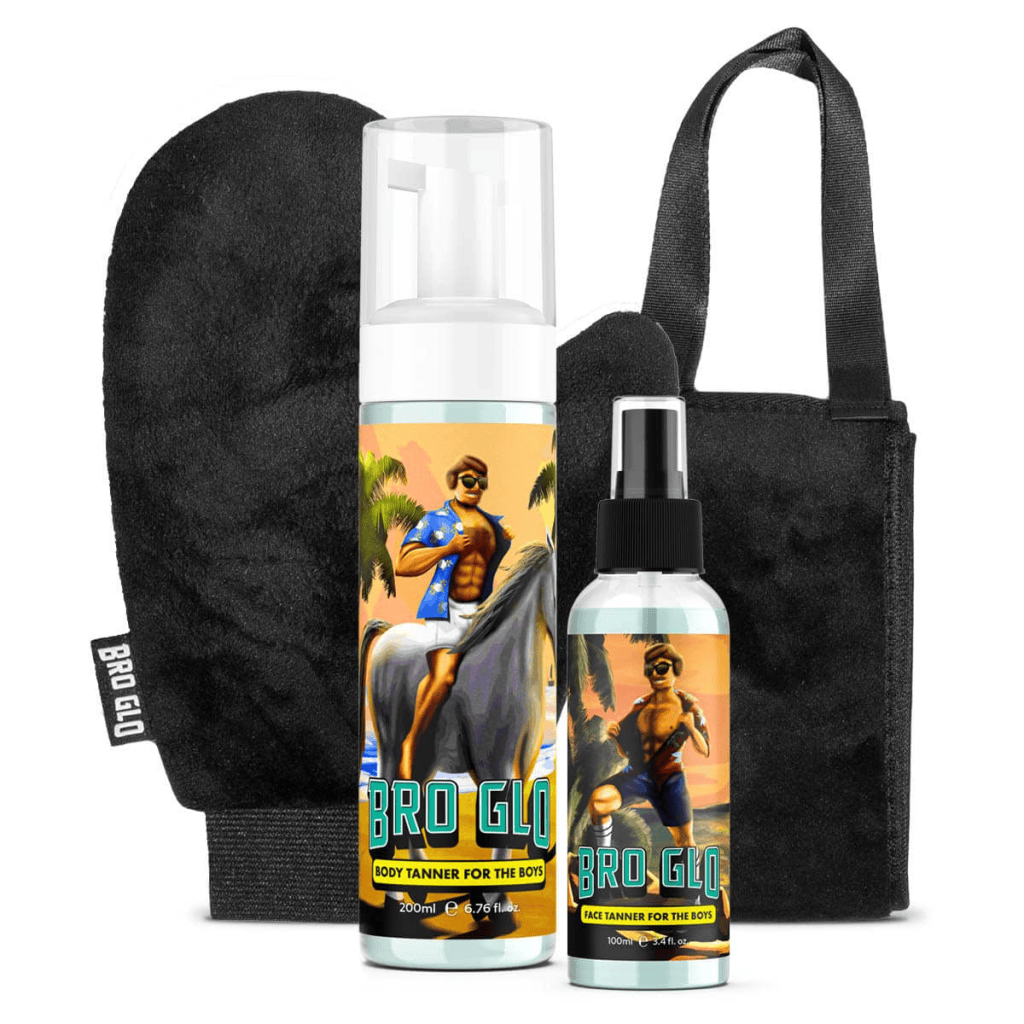
https://amzn.to/474LjUt Bro Glo Self Tanner for Men King Bundle
Premature skin ageing
UVA can reach deeper layers of the skin and contribute to changes associated with premature ageing. Over time, this may include fine lines, wrinkles, uneven pigmentation and loss of elasticity.
Sunburn and other skin reactions
Too much UV can cause redness, pain, swelling and blistering. People can also develop dryness, irritation or a rash, particularly if they use medicines or products that increase sensitivity to light. Sunburn is a sign of skin damage, not a normal or harmless part of tanning.
Eye damage
UV exposure can irritate the surface of the eye and may contribute to longer-term eye problems. Properly fitted protective eyewear should be used where required, but eye protection does not remove the other risks of sunbeds.
Who may be especially vulnerable?
Extra caution is important for people with very fair or easily burning skin, a history of frequent sunburn, many moles or unusual-looking moles, a personal or family history of skin cancer, or a condition or medicine that increases sensitivity to light. Children and young people are also more vulnerable to the effects of UV exposure. Anyone unsure about their risk can discuss it with a qualified healthcare professional.
Safer ways to achieve a tanned appearance
Fake tan products, including lotions, mousses and professionally applied spray tans, can give the skin a darker appearance without exposing it to UV radiation. They do not provide reliable sun protection, so sunscreen, protective clothing and shade are still important outdoors. Follow product instructions, avoid inhaling spray products, and patch-test new products if you are concerned about skin irritation.
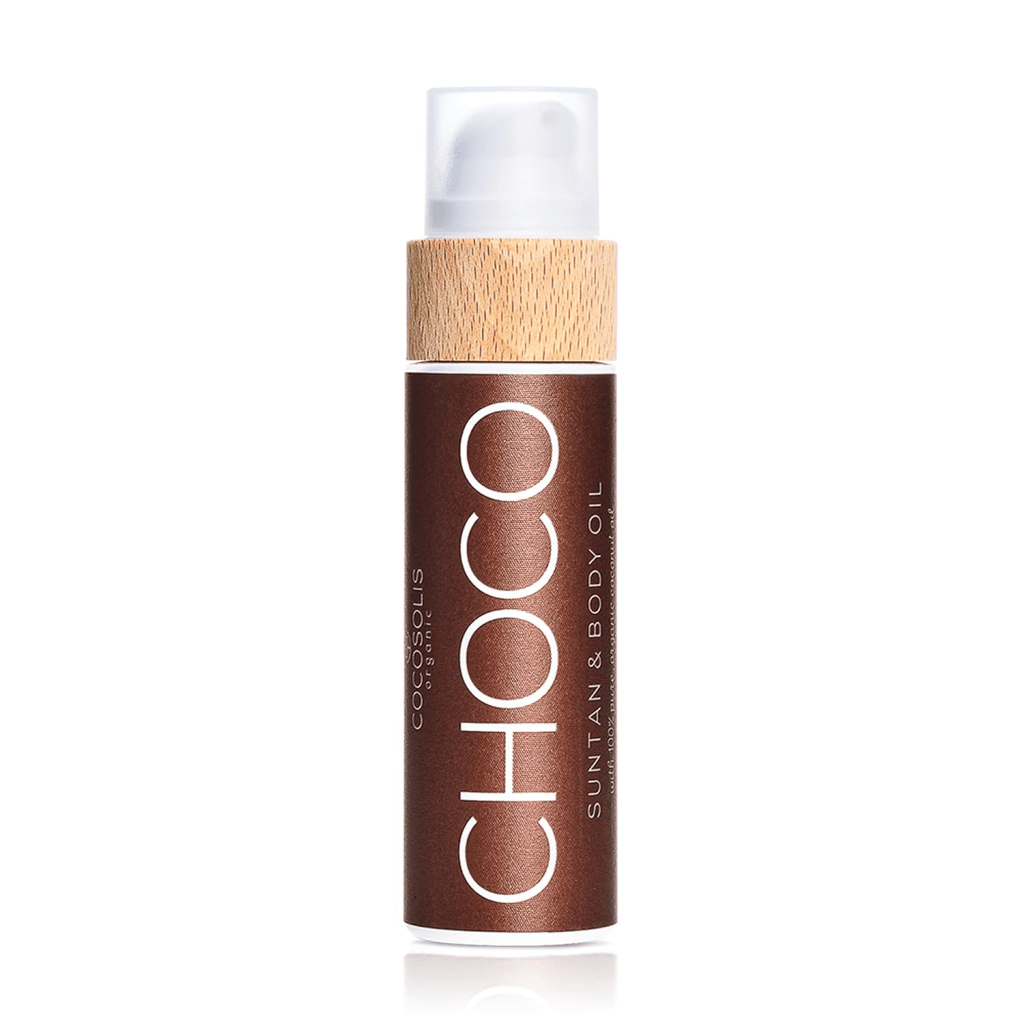
https://amzn.to/4hTM0o ACOCOSOLIS CHOCO Suntan & Body Oil XL – Organic Tanning Oil – Deep Chocolate Tan – Tanning Lotion Accelerator for Indoor and Outdoor Tanning Beds (6.76)
When to seek medical advice
Speak with a healthcare professional if a mole or other mark changes in size, shape or colour, becomes painful, bleeds, crusts or does not heal. Medical advice is also appropriate for severe blistering, extensive swelling, significant eye pain or changes in vision after UV exposure. A clinician can assess symptoms and explain suitable next steps.
Key points
- Sunbeds expose the skin to UV radiation, which can damage cells.
- Risks include skin cancer, premature ageing, burns and eye damage.
- People with sensitive skin, relevant medical histories or increased light sensitivity may be particularly vulnerable.
- Fake tan can provide colour without UV exposure, but it is not sunscreen.
- Changes in the skin or concerning symptoms after exposure should be assessed by a healthcare professional.


Leave a Reply