My journey into acting

My interest in acting began at a very young age. I grew up reading film review books, memorizing the names of actors and the movies they appeared in, and eventually joined a drama club — which I absolutely loved. That early passion led me to register with agencies, and I have since been fortunate enough to appear in a number of television commercials and TV series, which I continue to do to this day. This page shares what I have learned along the way about the world of professional acting: the workplaces, the process, the challenges, and the skills that matter most.
Where actors work

An actor’s workplace is one of the most varied of any profession. On any given week, an actor might find themselves on a film or television set, in a recording studio, performing on a theatre stage, filming a corporate video in an office, or working in front of a green screen on a streaming platform production. Location shoots can take place outdoors, in public spaces, or on purpose-built sets anywhere in the world.
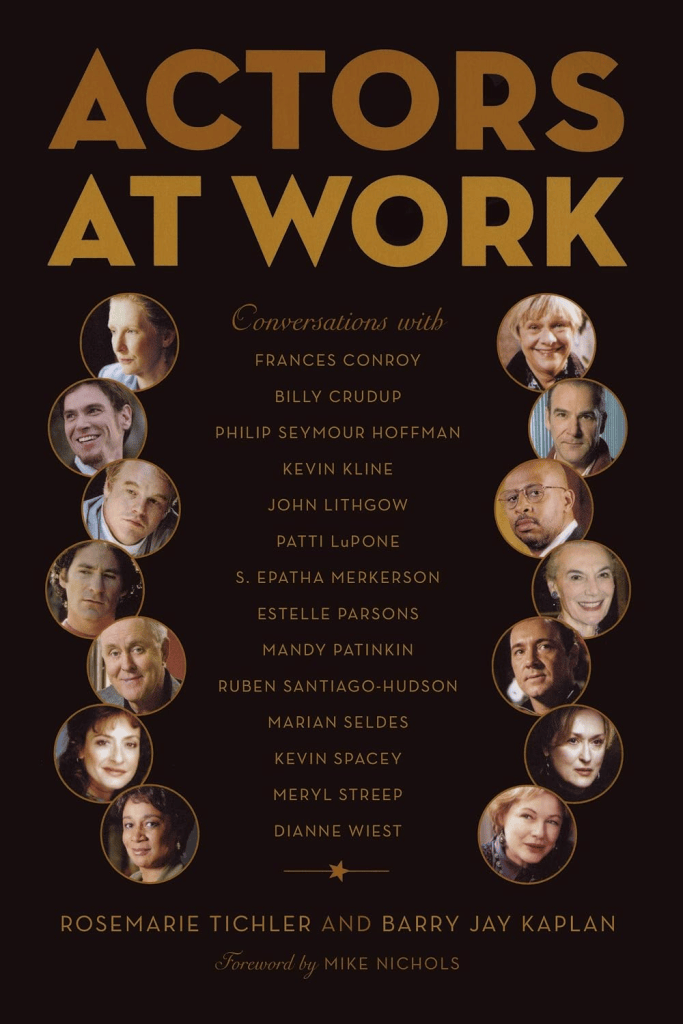
https://amzn.to/4rTVGE0 Actors at Work: Conversations
Flexibility is essential. Productions rarely follow a predictable nine-to-five schedule, and the working environment changes with every new project. Actors who are adaptable — comfortable in a wide range of settings, from a quiet sound stage to a busy city street — are better placed to find consistent work and build a sustainable career.
Acting classes remain one of the most valuable environments an actor can spend time in — not only for developing craft, but for maintaining the habit of performance between paid jobs. Classes provide a safe space to prepare monologues, explore emotional range, and receive feedback from peers and coaches. Many professional actors continue attending workshops and classes throughout their careers, treating ongoing training as part of the job rather than a starting point.
Auditions and rehearsals
Auditions are a central and ongoing part of an actor’s working life. They take many forms: self-taped submissions sent to casting directors, in-person auditions at casting studios, chemistry reads with other actors, and screen tests for larger productions. Increasingly, self-taping has become the norm, which means actors need a basic home setup — good lighting, a neutral backdrop, and a reliable camera — as well as the ability to direct themselves without the guidance of a room full of people.
Audition preparation
Thorough preparation is the foundation of a good audition. Read the full script or breakdown if one is available, and research the project: who is directing it, what genre it sits in, what the tone of the production appears to be. Understand your character’s objectives within the scene — what they want, what is standing in their way, and what they are willing to do to get it. Make clear, committed choices rather than presenting a neutral, safe reading. Casting directors are looking for actors who arrive with a point of view, not actors who are waiting to be told what to do.
https://amzn.to/4zoSX87 All the Workplace is a Stage: Acting Techniques to Create Award-Winning Business Performance

Know your lines well enough that you can listen and respond genuinely, rather than retrieving words from memory. This does not mean you cannot hold the script in your hand — particularly in theatre auditions where it is often expected — but your attention should be on the other person in the room, not on the page. Arrive early, dress in a way that suggests the character without committing to a full costume, and bring any required materials (such as headshots or a showreel link) unless the casting office has already received them.
Self-tapes: setting up and submitting well
Self-taping is now a routine part of the audition process for film, television, and many commercial roles. A consistent home setup saves time and produces reliable results: film in a well-lit space using natural light or a simple ring light, with a clean, neutral background (a plain wall or a fabric backdrop works well). Frame the shot from the mid-chest up, with your eyes roughly level with the upper third of the frame. Shoot in landscape orientation unless instructed otherwise, and use a tripod or stable surface so the image is steady.
For the read-in (the off-camera actor reading the other lines), use someone whose delivery is consistent and who will not upstage you. Read the submission instructions carefully: file format, naming conventions, and length limits are often specified, and failing to follow them can result in a tape being passed over before it is watched. Submit on time — casting offices work to strict schedules, and late submissions are frequently not considered regardless of quality. Record multiple takes and select the one that feels most alive, not necessarily the most technically correct.
Callbacks and what to expect
A callback means the casting team wants to see more of you — it is a genuine positive, not an obligation to perform perfectly. In most cases you will be asked to return with the same material, sometimes with adjustments based on notes from the first round. Repeat what worked, and incorporate any direction you have been given. Do not radically reinvent your choices simply because you are nervous; consistency with an ability to respond to direction is exactly what a callback is designed to test.
Chemistry reads — where you are paired with another actor being considered for a related role — require a different kind of focus. Listen more than you perform. The chemistry between two actors is felt in the pauses and responses, not in individual performances delivered in parallel. Producer sessions and screen tests at later stages are more formal, and may involve more people in the room: producers, network executives, or studio representatives. Stay grounded in the work, and treat the room as an audience rather than a panel of judges.
Rehearsal etiquette
Rehearsal rooms are collaborative working environments and have their own professional norms. Arrive on time — ideally a few minutes early — with your script and any notes from the previous session. Be ready to work when the rehearsal starts, not still warming up or catching up on messages. Respect other actors’ process: if a colleague is working quietly in a corner before a difficult scene, that is not the time for social conversation. Keep your phone silent and out of sight unless you are using it to record blocking notes with permission from the director.
Directors set the tone and pace of the room, and it is important to follow their lead rather than attempting to direct yourself or other actors. Ask questions when something is unclear, but frame them around your character’s needs rather than challenging directorial choices in front of the group. Save detailed discussions for a break or after the session. Disagreements about character or interpretation are best handled in private, one-to-one conversation with the director.
Script work between sessions
What you do between rehearsals matters as much as what happens in the room. Learn your lines progressively rather than cramming — spacing out the learning over several days allows the text to settle into long-term memory rather than short-term recall, which is far more reliable under the pressure of performance. As you learn, work through the script analytically: identify your character’s objectives scene by scene, note the moments where something changes for them, and mark any lines whose subtext differs from the literal meaning.
Running lines with a partner — a fellow cast member, a friend, or a coach — is more effective than running them alone, because it forces you to listen rather than simply recite. For film and television, where scenes are shot out of sequence, it is worth mapping out the emotional arc of your character across the whole script before shooting begins, so that your performance is consistent even when scenes are filmed in an order that makes no narrative sense.
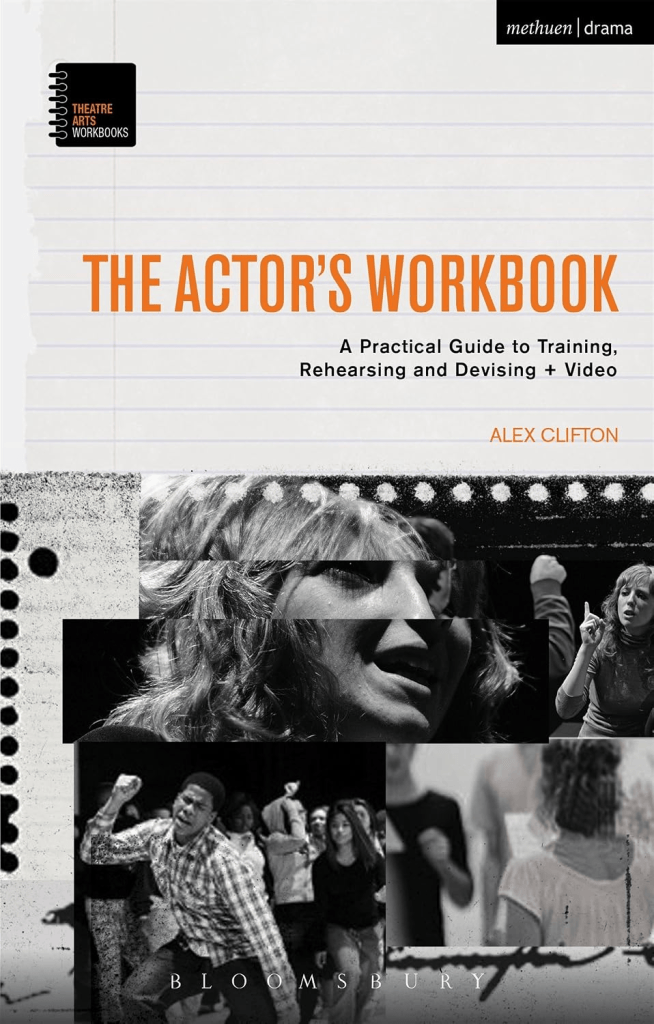
https://amzn.to/4dqkpKk Actor’s Workbook, The: A Practical Guide to Training, Rehearsing and Devising + Video (Theatre Arts Workbooks)
Receiving and using feedback
Feedback — whether from a director in rehearsal, a coach reviewing your self-tape, or a casting director following an audition — is one of the most valuable tools available to a developing actor. Receive it without defensiveness: the note is about the work, not about you as a person. Try the adjustment immediately rather than debating it, even if you are not sure you agree with it. You will often find that following an unexpected note unlocks something in the scene that your original interpretation was blocking.
Feedback after auditions is not always available — casting offices are busy, and agents often report that specific notes are rarely given. When feedback does come through your agent, take it seriously. Patterns across multiple auditions — the same note appearing repeatedly — are especially worth paying attention to, as they point to habits that may be limiting your range without your awareness. Keeping a simple record of your auditions (date, project, material used, any feedback received) is a useful long-term habit.
Managing your schedule
Acting schedules are rarely predictable. Audition requests can arrive with short turnaround times — sometimes less than twenty-four hours for a self-tape — and call times on set are often confirmed only the evening before. Keeping a clear, up-to-date diary and communicating regularly with your agent about your availability helps avoid missed opportunities. If you have a hold on a date for one production and a conflict arises from another, let your agent know as early as possible so they can manage it professionally.
For theatre productions with a fixed rehearsal schedule, treat the rehearsal period as you would any other job. Block out the dates, manage your other commitments around them, and avoid accepting additional work that would require you to miss rehearsals. Productions depend on every cast member being present — repeated absences damage your professional reputation and disadvantage your fellow actors.
Professional communication
Clear, professional communication is a skill that distinguishes reliable actors from difficult ones. Respond to your agent, casting director, or production office promptly — even if the answer is that you need more time to confirm. If you cannot attend an audition or a rehearsal, let the relevant party know as early as possible and, where appropriate, offer to rearrange. A brief, courteous message goes a long way in an industry where word of mouth and personal reputation carry significant weight.
After a successful audition or booking, a short note of thanks to your agent is good practice. After a production wraps, staying in touch with directors and producers you have enjoyed working with — without being intrusive — helps sustain the relationships that lead to future work. The acting industry is smaller than it appears, and professional courtesy at every stage of the process is both good manners and good business.
Rehearsals vary significantly depending on the medium. Theatre productions typically involve several weeks of intensive rehearsal before opening night. Television and film shoots often allow very little rehearsal time on set, so actors are expected to arrive fully prepared, having already worked through their lines, motivations, and character choices independently or with a coach.
Working conditions
Working conditions in the acting industry vary enormously. On a well-funded production, actors may have dedicated dressing rooms, onset catering, and transport arranged. On lower-budget projects — short films, fringe theatre, or independent productions — the conditions are often far more basic, with actors expected to bring their own costumes, travel at their own expense, and work in cramped or improvised spaces.
Shooting days on film and TV sets can be long, sometimes stretching to twelve hours or more. Waiting between takes is a routine part of the job, and actors need to be able to stay focused and ready to perform at short notice. Professionalism on set — arriving on time, knowing your lines, taking direction well, and being considerate of the crew around you — is as important as the performance itself.
Technology and the changing industry
The rise of streaming platforms has significantly expanded the number and variety of productions being made, creating more opportunities for actors at all levels. At the same time, it has raised the level of competition, with talent now being scouted and cast internationally. Self-taping tools, online casting platforms, and social media have all changed how actors present themselves and connect with industry professionals.
Motion capture, virtual production using LED volume stages, and AI-assisted post-production are also reshaping what acting on screen looks like technically. These technologies demand that actors understand and adapt to new performance environments — such as performing in a suit covered in tracking dots in front of a blank volume, relying entirely on imagination rather than physical sets or costumes. Staying curious and open to new techniques is increasingly important.
Challenges of the profession
Acting is rewarding, but it comes with genuine challenges. The work is unpredictable by nature: periods of steady employment can be followed by long gaps with no bookings. Most actors supplement their income with other work, and financial planning is an important practical skill. Rejection is a constant feature of the audition process, and resilience — the ability to move on quickly and return to the next opportunity with fresh energy — is one of the most important qualities a working actor can develop.
The industry also has a well-documented history of power imbalances. Awareness of professional boundaries, knowing your rights on set, and having access to support from your union or agency are all important safeguards. Reputable productions follow established guidelines on working hours, safety requirements, and fair pay.
Safety and professionalism on set
Professional sets operate under health and safety regulations, and actors have the right to ask questions about any scene or stunt that concerns them. Intimacy coordinators are now increasingly present on productions that involve any form of physical or emotional vulnerability, ensuring that scenes are handled with care and clear consent. Stunt performers handle physical risk, and actors should never be asked to take on genuine danger without appropriate professional support.
Equally important is the kind of professionalism that creates a good working environment for everyone: being respectful of crew members at all levels, communicating clearly with directors and producers, and bringing a positive attitude to the work regardless of the scale of the production.
Skills that serve a working actor
- Emotional range: The ability to access and control a full range of emotions is foundational to any kind of dramatic performance.
- Voice and physicality: Clear diction, breath control, and an awareness of how the body communicates are essential — particularly for theatre and voice work.
- Script analysis: Understanding a character’s objectives, given circumstances, and relationship dynamics helps actors make informed, consistent choices.
- Adaptability: Taking direction, adjusting quickly between takes, and working within tight schedules are everyday demands of the job.
- Self-management: Managing your own schedule, finances, marketing (including headshots, showreels, and casting profiles), and ongoing training is the business side of acting that every working actor must handle.
- Resilience: The ability to recover from rejection, stay motivated during quiet periods, and maintain confidence over a long career is arguably the most important non-performance skill of all.
Practical advice for aspiring actors
If you are new to acting or considering taking it more seriously, here are some practical starting points: join a reputable local drama group or class to build experience in a supportive environment; invest in a professional headshot when you are ready to approach agencies; research agencies thoroughly before signing with anyone; build a simple show reel from student films or self-produced material; and make use of online platforms such as Spotlight, Casting Call Pro, or equivalent services in your region to find audition opportunities.
Above all, keep performing. Whether it is a local amateur production, a student film, or an unpaid short, every performance is an opportunity to develop your craft, build your network, and remind yourself why you started.
https://amzn.to/4ic7e2e The Actor’s Life: A Survival Guide

Conclusion
The actor’s workplace is unlike any other. It is demanding, unpredictable, and at times difficult — but for those with a genuine passion for storytelling and performance, it is also uniquely rewarding. Whether you are pursuing acting as a hobby, a side career, or a full-time profession, understanding the realities of the industry helps you approach it with open eyes and a practical plan. The most enduring piece of advice remains simple: keep learning, keep showing up, and keep working at your craft.


You must be logged in to post a comment.