Healthcare encompasses the services provided by licensed health professionals and allied health practitioners across many disciplines, including medicine, dentistry, pharmacy, midwifery, nursing, optometry, audiology, psychology, occupational therapy, physical therapy, and athletic training. Together, these fields support the prevention, diagnosis, treatment, and management of health conditions across the lifespan, from routine care and screening to complex, specialized interventions. Care may be delivered in hospitals, clinics, community health centers, long-term care facilities, and increasingly through Telehealth and other digital platforms, reflecting the evolving ways people access health services.
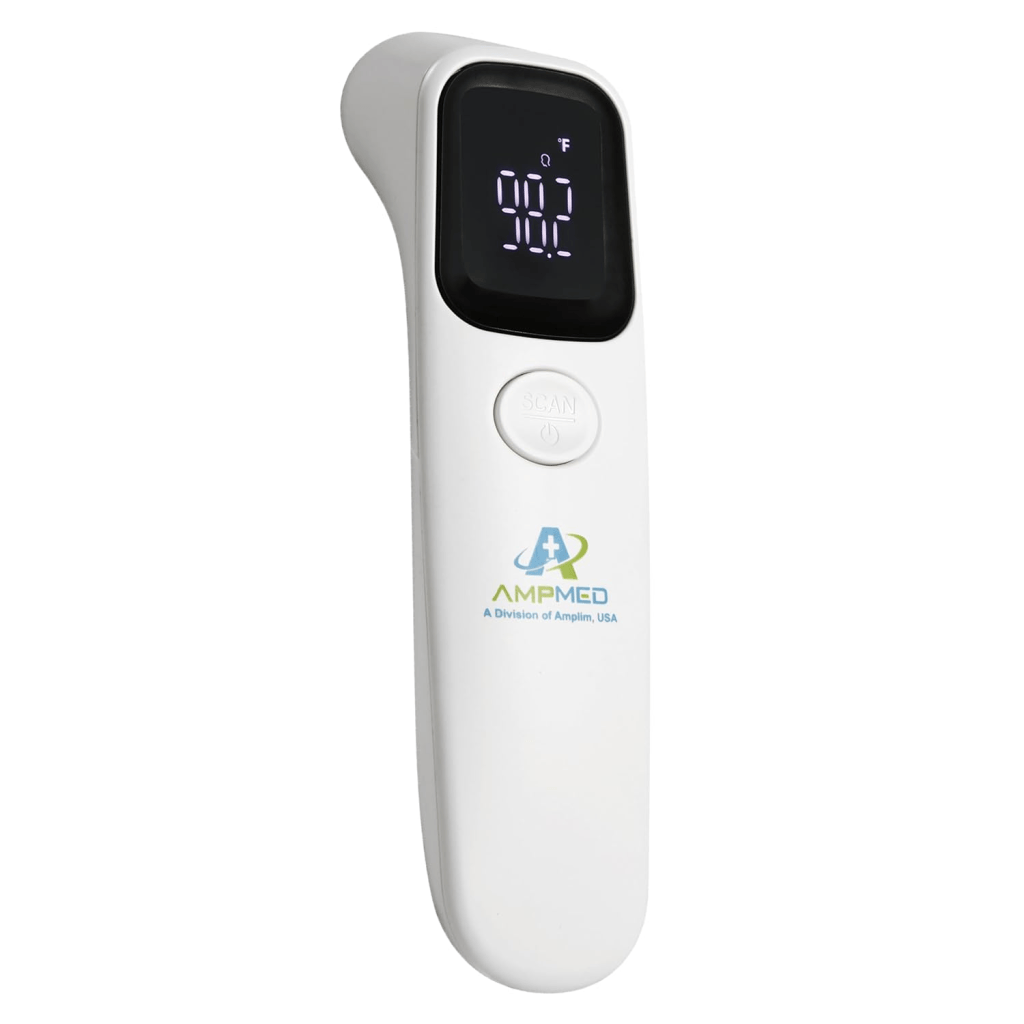
https://amzn.to/4zli3Vt AmpMed Amplim Medical Grade No-Touch Infrared Forehead Thermometer | For Babies & Adults, Fever Alert, Color LCD, °F/°C; Memory Recall, Auto-off
Healthcare is the maintenance or improvement of health through the prevention, diagnosis, treatment, recovery, or management of disease, illness, injury, and other physical or mental conditions. Effective care may involve a combination of professional treatment, informed lifestyle choices, and ongoing attention to an individual’s changing health needs. In many systems, healthcare also includes public health initiatives, such as vaccination programs, health education, and policies designed to reduce risk factors at the population level.
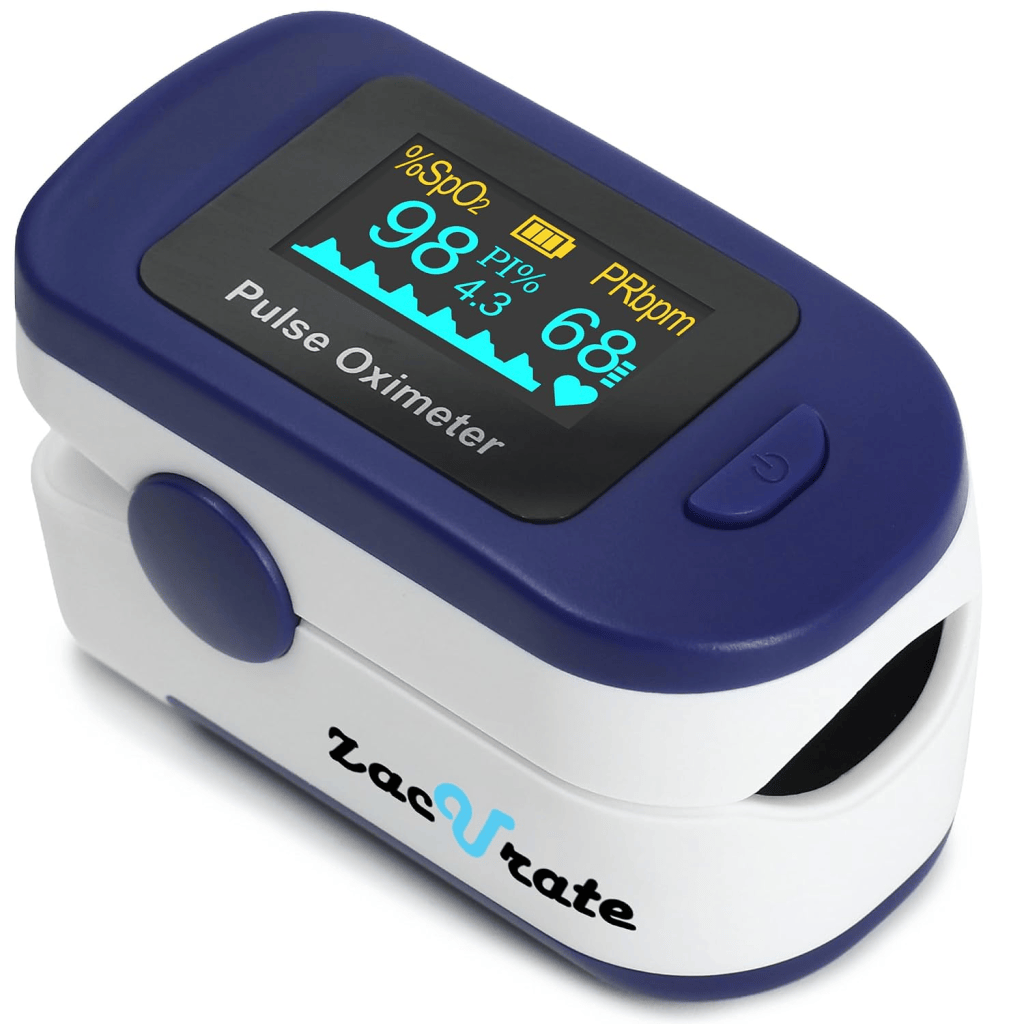
https://amzn.to/4hRCW3B Zacurate 500B-B Wireless Bluetooth Fingertip Pulse Oximeter, Blood Oxygen Monitor with Free App, SpO2, Plethysmograph, and Perfusion Index Finger Oxygen Sensor
Some research suggests that drinking a warm or hot beverage on a hot day may stimulate sweating. As sweat evaporates from the skin, it can help the body release heat and may support its natural cooling process. However, individual responses vary, and staying hydrated and avoiding excessive heat remain important. People are generally encouraged to pay attention to their comfort, environmental conditions, and any guidance from health professionals when choosing strategies to stay cool.
More than half of the body’s bones are located in the hands and feet. These intricate structures play essential roles in balance, movement, and the ability to perform everyday tasks, from walking and running to writing and grasping objects.
Humans are born with approximately 300 bones and pieces of cartilage, many of which gradually fuse as the body develops. By adulthood, the skeleton typically contains 206 bones, and about 106 of them are located in the hands and feet. Bones in the arms are among the fractures commonly seen in adults, although injury patterns vary. Supporting bone health over time generally involves adequate nutrition, appropriate physical activity, and strategies to reduce the risk of falls and other injuries.
When you feel physically tired, light to moderate exercise may provide a temporary boost in energy compared with remaining sedentary. Research suggests that physical activity can increase blood flow, support mood, and promote the release of endorphins. The appropriate level of activity depends on a person’s health, fitness, and circumstances. Over time, regular movement—such as walking, stretching, or other suitable exercise—can contribute to cardiovascular health, muscle strength, and overall well-being when integrated into a balanced lifestyle.
Cooler temperatures may ease certain allergy symptoms or inflammation for some people, and some research suggests that a comfortable, cooler environment may support concentration and performance on daily tasks. These effects vary by individual, and cold exposure should be approached cautiously, particularly by people with relevant health conditions. In general, maintaining a stable, comfortable indoor temperature, dressing appropriately for the weather, and limiting exposure to extreme heat or cold can be part of a broader approach to protecting health.
Bananas may support a positive mood as part of a balanced diet. They are just one example of how everyday foods can contribute to overall nutritional status, which in turn plays a role in physical and mental health.
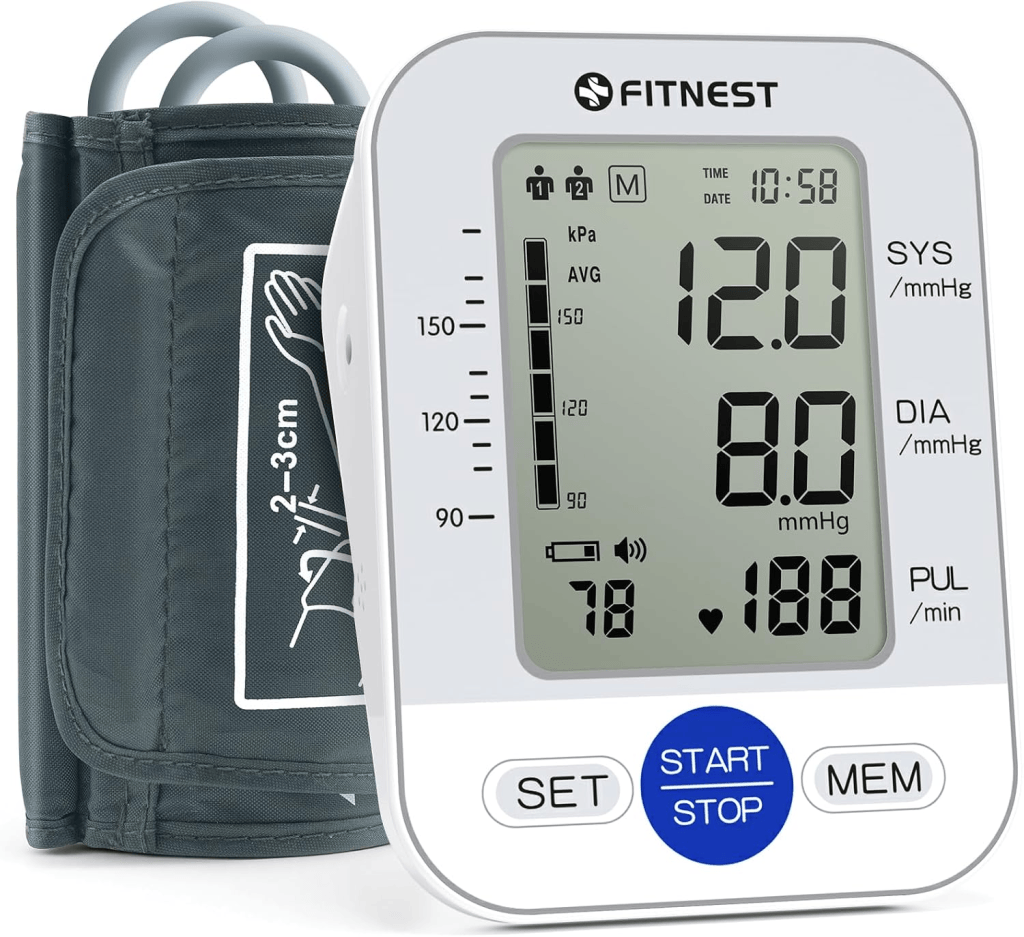
https://amzn.to/47KO8Ku Blood Pressure Monitor, Automatic Digital Upper Arm BP Machine for Home Use | 8.7″-16.5″ Adjustable Blood Pressure Cuff, High BP Monitor for 2 Users…
A medium banana provides a substantial amount of vitamin B6, a nutrient involved in the production of neurotransmitters such as serotonin. Serotonin plays roles in mood, sleep, digestion, and other body functions. Eating bananas may contribute to overall nutritional well-being, but no single food can prevent or treat depression, anxiety, or other medical conditions. A varied eating pattern that includes fruits, vegetables, whole grains, lean proteins, and healthy fats can help provide the nutrients the body needs to function effectively.


You must be logged in to post a comment.