Early Childhood Education: Building Foundations for Life-Long Success
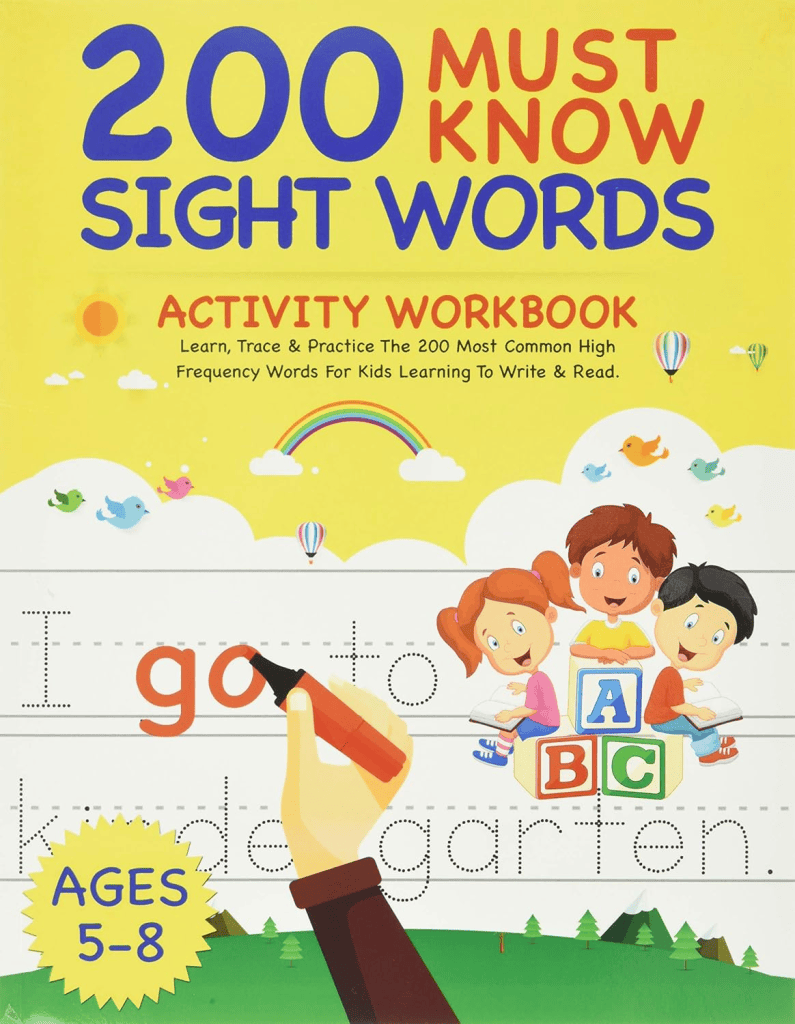
https://amzn.to/4j9a3SO 200 Must Know Sight Words Activity Workbook: Learn, Trace & Practice The 200 Most Common High Frequency Words For Kids Learning To Write & Read. |…
The first five years of life are the most critical for building the foundations for life-long learning, well-being, and health. It is essential that we prioritize policy reform and investment in quality early childhood education to give every child the best possible start.
Why Early Childhood Education Matters
The science of early development has clearly established that the first five years of life are the most critical for building foundations for life-long learning, well-being, and health. During these crucial years, children’s brains are developing rapidly, creating neural pathways that will support learning, behavior, and emotional regulation for years to come.
Main Purposes of Quality Education
- Opens doors to opportunity: Education exposes children to new ideas and concepts, helping them discover their interests and build a pathway toward fulfilling careers.
- Develops essential skills: Quality education fosters critical thinking, creativity, problem-solving, and communication skills that children will use throughout their lives.
- Builds confidence and character: Education develops skills, encourages healthy competition, and enhances personality development in a supportive environment.
- Shapes resilience: Education teaches children how to face obstacles and challenges, encouraging introspection and the mindset needed to achieve success.
- Ensures equitable development: Research shows that high-quality early childhood learning experiences are especially important for disadvantaged children, who are more likely to be developmentally vulnerable in language and cognitive skills when entering school.
The Power of Play-Based Learning
Research consistently demonstrates that early childhood education programs are most effective when they are play-based and developmentally appropriate. Play is not just fun—it’s how young children learn. Through play, children develop language skills, learn to cooperate with peers, build problem-solving abilities, and develop emotional regulation.
Effective play-based programs include activities that encourage exploration, creativity, and discovery while maintaining structure and learning goals. These programs recognize that children learn best when they’re engaged, having fun, and following their natural curiosity.
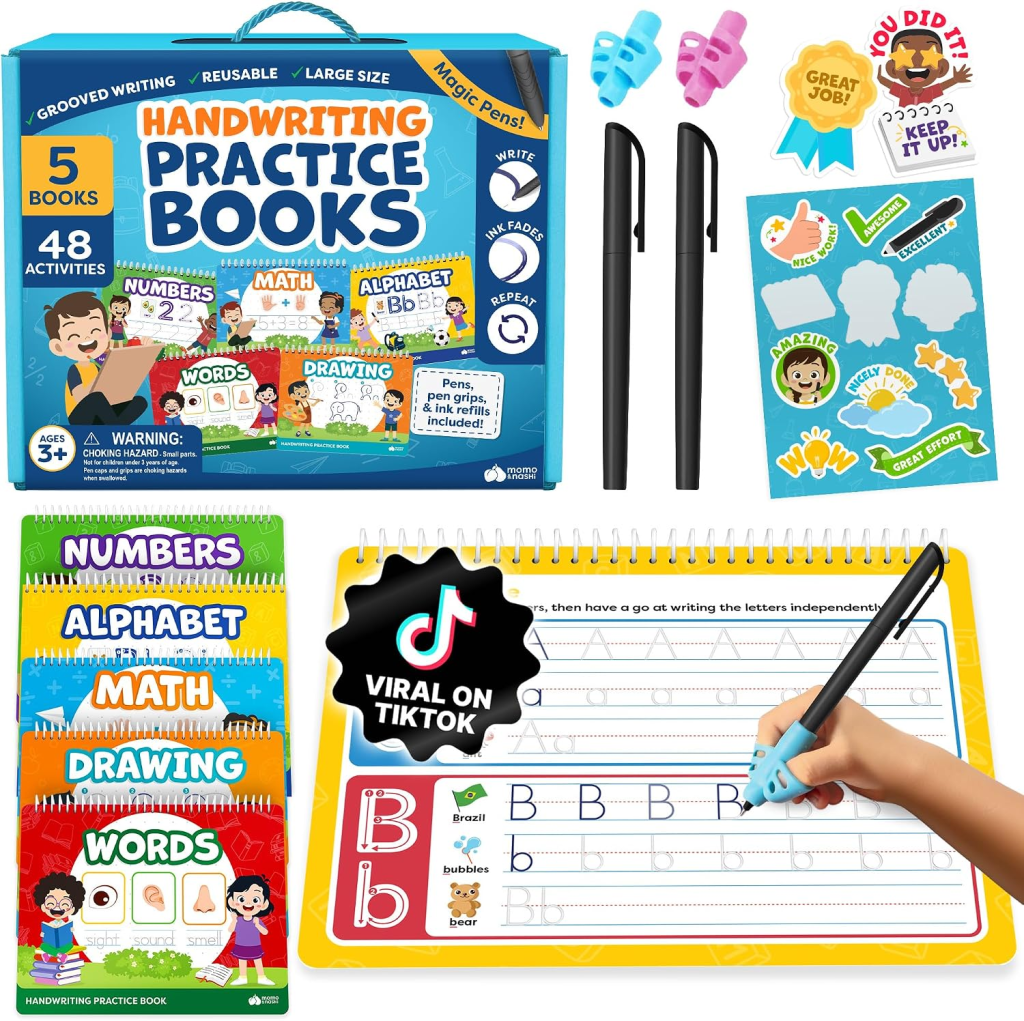
https://amzn.to/4yA8Icx Magic Grooved Writing Practice Books & Kindergarten Workbooks Ages 3-7 | Reusable Handwriting Practice Workbooks with Disappearing Magic Ink Pens for…
Learning at Home: A Parent’s Guide
Parents are a child’s first and most important teachers. You don’t need fancy materials or structured lessons to support your child’s learning at home—everyday activities provide rich learning opportunities.
Simple Ways to Support Learning at Home
- Read together daily: Reading aloud builds vocabulary, listening skills, and a love of books. Make it a cozy ritual.
- Sing songs and rhymes: Music and rhyming activities develop language and memory skills while having fun together.
- Cook and bake together: Measuring, mixing, and following steps teaches math, science, and sequencing skills in a real-world context.
- Create art: Drawing, painting, and building with blocks develop fine motor skills, creativity, and self-expression.
- Explore nature: Outdoor play develops gross motor skills, curiosity about the world, and an appreciation for nature.
- Play games: Board games and simple games teach turn-taking, following rules, and strategic thinking.
- Talk and listen: Everyday conversations—while driving, cooking, or playing—are powerful learning opportunities. Ask open-ended questions and really listen to their answers.
Supporting Different Learning Styles
Every child learns differently. Some children are visual learners who understand best through pictures and demonstrations. Others are auditory learners who benefit from listening and discussion. Kinesthetic learners need hands-on experience and movement. Understanding your child’s learning style helps you support their education more effectively.
Tips for Each Learning Style
- Visual learners: Use charts, diagrams, color-coded materials, and videos. Have them draw pictures to explain concepts.
- Auditory learners: Read aloud, discuss topics, use songs and rhymes, and encourage them to explain things out loud.
- Kinesthetic learners: Provide hands-on activities, allow movement breaks, use manipulatives (blocks, counters), and encourage learning through doing.
- Mixed learners: Most children benefit from a mix of approaches. Vary your teaching methods to reach all children in the classroom or at home.
Digital Safety for Young Learners
In today’s world, many educational resources are digital. While technology can support learning, it’s important to approach it thoughtfully and safely, especially with young children.
Digital Safety Guidelines
- Limit screen time: Follow recommended guidelines: no screens for children under 18 months (except video chatting), and high-quality programming only for ages 18 months to 5 years, with parent co-viewing.
- Choose quality content: Select educational apps and programs designed for young children that have educational value, not just entertainment.
- Co-view and co-use: Watch and explore digital content together when possible, and talk about what you’re seeing.
- Set boundaries: Establish device-free times (like mealtimes and bedtime) and device-free spaces (like bedrooms).
- Use parental controls: Take advantage of built-in safety features and parental control settings on devices.
- Teach online safety: As children grow, teach them about privacy, appropriate online behavior, and how to handle uncomfortable interactions.
- Balance with offline activities: Ensure plenty of time for play, physical activity, social interaction, and outdoor exploration.
Social and Emotional Development
Academic learning is important, but social and emotional development is equally critical. Children who develop strong social and emotional skills are better equipped to form relationships, manage stress, and succeed in school and life.
Key Social and Emotional Skills
- Self-awareness: Understanding their own emotions, strengths, and challenges.
- Self-regulation: Managing emotions and behavior, following rules, and controlling impulses.
- Social awareness: Understanding others’ perspectives, showing empathy, and recognizing social cues.
- Relationship skills: Cooperating, making friends, communicating clearly, and working as part of a group.
- Responsible decision-making: Making good choices and considering the consequences of actions.
Help children develop these skills by modeling them yourself, talking about feelings, reading books that explore emotions, practicing problem-solving together, and creating a safe environment where mistakes are learning opportunities, not reasons for punishment.
Practical Tips for Parents and Teachers
Whether you’re a parent supporting your child at home or a teacher in the classroom, these practical strategies support healthy development and a love of learning.
- Build strong relationships: Children learn best in the context of caring relationships. Spend quality time, listen actively, and show genuine interest in what they think and feel.
- Create a predictable routine: Children thrive with structure. Consistent routines help them feel secure and ready to learn.
- Celebrate effort, not just results: Praise children for trying hard, asking questions, and persisting through challenges, not just for getting the right answer.
- Make learning fun: Incorporate games, songs, movement, and hands-on activities. When learning is enjoyable, children are more motivated.
- Provide choice when possible: Giving children choices helps them feel empowered and more engaged in learning.
- Stay patient and flexible: Every child develops at their own pace. What works for one child may not work for another, so be willing to adjust your approach.
- Maintain open communication: Parents and teachers working together benefit children the most. Share observations, ask questions, and work as a team.
- Prioritize well-being: Ensure children get enough sleep, eat nutritious food, get physical activity, and have time to rest and play. A healthy child is a learning-ready child.
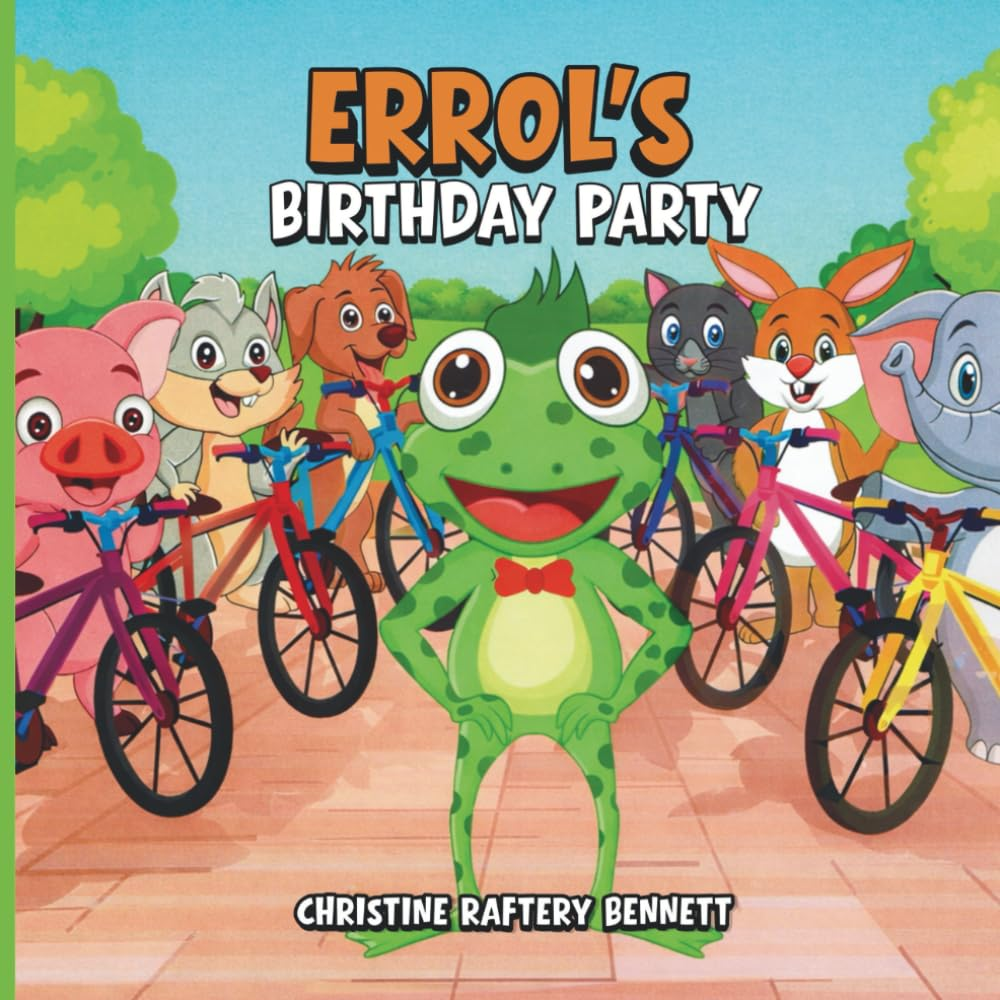
https://amzn.to/4AYlVgW ERROL’S BIRTHDAY PARTY IS A FUN AND AMUSING STORY WHICH WILL TEACH YOUR CHILD A GREAT LESSON OF FRIENDSHIP AND BEING KIND TO OTHERS.
Conclusion: Investing in Our Children’s Future
Quality early childhood education sets the stage for lifelong success. By understanding how children learn, supporting their individual needs, and creating warm, nurturing environments both at home and at school, we give them the strongest foundation possible. The investment we make in early childhood education today pays dividends throughout our children’s lives and benefits our entire society.
Every child deserves access to high-quality, developmentally appropriate education that recognizes their unique strengths and supports their growth. Together, parents, teachers, and communities can ensure that every child has the opportunity to thrive.


You must be logged in to post a comment.