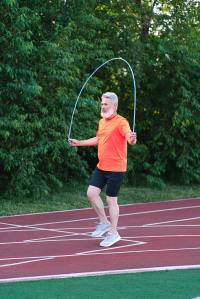
Whatever your age, you can enjoy the benefits of physical activity. There’s a host of health reasons to stay active and it doesn’t have to be ‘serious business’ — being active can be fun, especially if you can socialize at the same time. Exercise also helps keep your mind active and improves your quality of life.
Even a small increase in daily physical activity can reduce your risk of health conditions such as:
- high blood pressure
- high cholesterol
- type 2 diabetes
- heart disease
- bone problems, including osteoporosis
- obesity
- some types of cancer
Physical activity can also:
- improve your sleep
- improve your mood
- give you more energy
- reduce stress levels and anxiety
- reduce pain from conditions such as arthritis
 Conversely, spending a lot of time sitting down (being sedentary) may increase the risk of health conditions. So it’s a good idea to break up long periods of sitting with physical activity. Even a few minutes of walking or stretching is beneficial.
Can physical activity ‘slow down’ the ageing process?
Some types of physical activity, such as resistance training and flexibility exercises, can improve physical changes that come with ageing.
Most people lose some muscle mass, bone density and flexibility as they age. Chronic health problems can also contribute to weakness and frailty.

Physical activity has been shown to improve overall health, reduce the chance of chronic health conditions and reduce frailty. This means that staying active may help you live longer with a better quality of life.
How much physical activity do older people need?
You should aim for about 30 minutes of moderate-intensity physical activity every day. Moderate-intensity exercise should make you feel a bit breathless, but you should still be able to talk comfortably.
Incorporate different types of physical activity into your daily routine. This will keep it interesting and easier to stick to over time.
What types of exercise should older people be doing?
There are 4 main types of physical activity that are important for people of all ages.
Cardiovascular (‘cardio’) fitness activities help keep your heart and lungs healthy. This includes:
- brisk walking
- cycling
- swimming
- golf (without a gold cart)
- tennis
- aerobics classes
- dancing
Household chores such as gardening and cleaning can also be a great cardio workout. Low-impact activities such as swimming can be beneficial for people who find movement painful because of health conditions such as osteoarthritis.
You don’t have to do all of your activity in one session per day — you can spread it out. For example, 10 minutes of cardio 3 times a day, or 15 minutes twice a day

Strength activities help your muscles and bones stay strong. Strength training and weight-bearing exercise are especially helpful at increasing your bone density and reducing the risk of falls among people with osteoporosis.
Strength exercises include:
- weight training
- resistance training
- lifting and carrying (for example, groceries or small children)
- gardening (involving digging and lifting)
- climbing stairs
Aim to build strength exercises into your routine about 2 to 3 times a week.
Flexibility activities incorporate gentle stretching and bending exercises that help you move more easily. This might include:
- Tai Chi
- yoga
- dancing
- gardening
- lawn bowls
- mopping or vacuuming
Try to do some stretching exercises every day. You can even stretch while watching TV or waiting for the kettle to boil — you can follow the diagrams here.
Balancing activities help improve your balance, which can help prevent falls. They include:
- side leg raises
- half squats
- heel raises
Remember, physical activity can be varied and you can exercise outside of a gym or classes. There are also online fitness tools and programs you can use at home.
Even people who are less mobile or have a disability can find ways to keep active. Find an exercise program that is tailored to people at a similar age and fitness level as you.
If you’re struggling to find an activity that’s right for you, ask your doctor, exercise physiologist or physiotherapist for advice.
I’m too old to start exercising.’
Fact: It’s never too late to become more active and enjoying the benefits of physical activity. Improving your fitness and mobility, even at an older age, will boost your physical and mental health, and quality of life.
 Hair-health-beauty.com
You must be logged in to post a comment.